Protease Production Technology Plant Cost: Key Factors
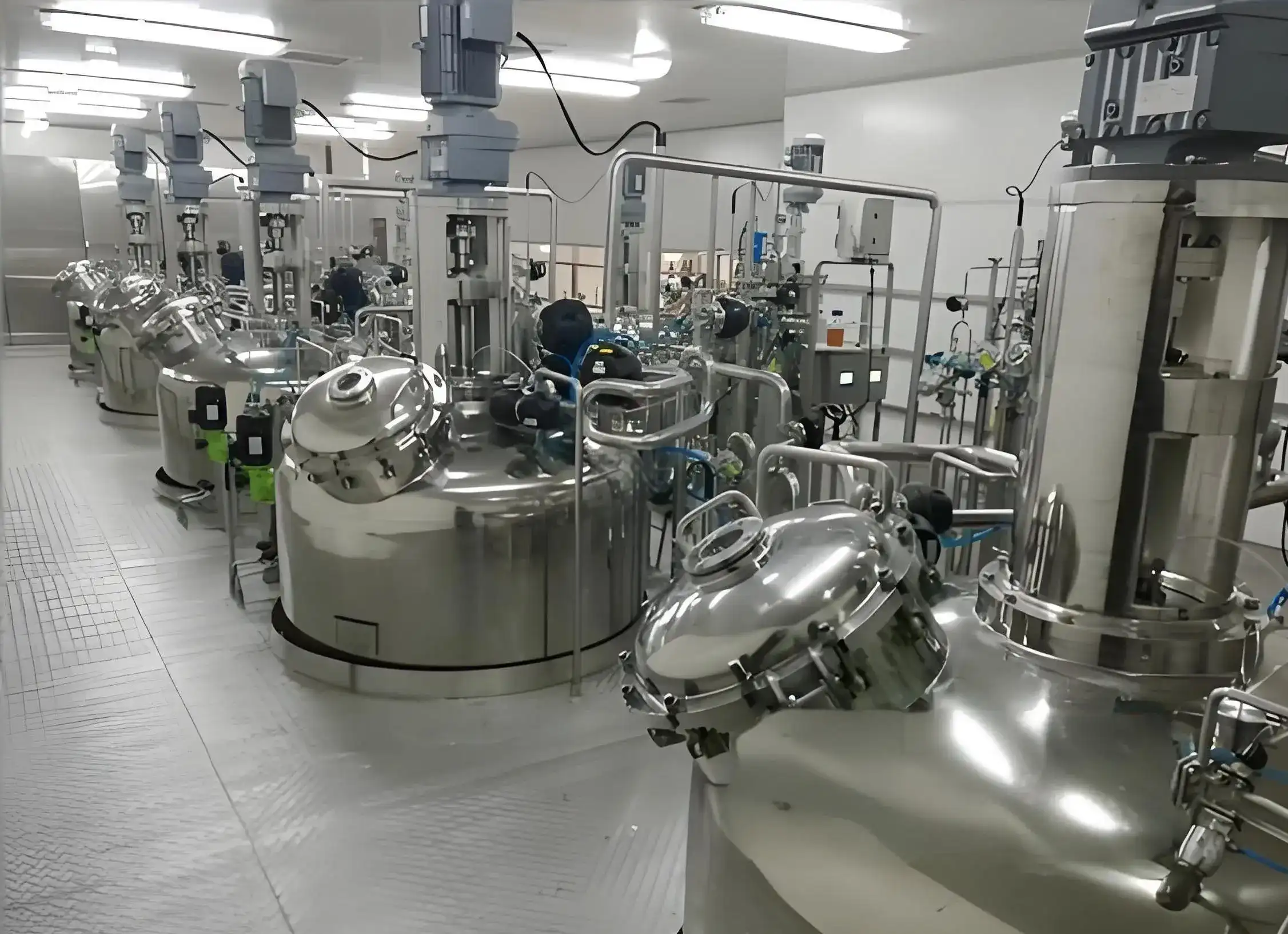
The cost of a protease manufacturing facility and protease manufacturing plant cost are dependent on 6 key factors: production size, fermentation pathway, downstream processes, utilities, automation and scope of supply. Budget is more than just equipment. Engineering, installation, commissioning, training and working capital are equally important and installed cost frequently runs several times the acquired equipment price. In our experience at Asianbios, the customers who first decide on enzyme activity, product shape and yearly production get the most accurate prices. This article breaks down every cost driver so you are able to establish a realistic budget before you start asking for offers.
What Determines Protease Manufacturing Plant Cost?
Scope of Supply Sets the Starting Point
The first number that moves a quotation is supply scope. Four distinct purchases: equipment-only supply, complete manufacturing line, turnkey facility and greenfield development. An estimate for equipment alone might include fermenters and dryers but not pipes, controls and commissioning. A turnkey scope includes engineering, installation and training. The installed cost is sometimes many times the price of the bought equipment due to piping, instrumentation, electrical work and buildings. Plant-design textbooks such as Plant Design and Economics for Chemical Engineers explain this. When we examine a cost estimate for a protease production facility with a customer, we first look into what the supplier missed since omissions here lead to numerous budget surprises later.
Capacity, Product Format, and Fermentation Method
Capacity determines tank capacity, floor area, and utility load. The product format determines the downstream equipment. Liquid concentrate will require filtering and stabilisation lines, whereas powder or granulated product will need drying and packaging lines. The manner of fermentation affects the equipment requirements too. In submerged fermentation, regulated aeration, agitation, cooling and sterilisation are needed, but in solid-state fermentation, the handling of the material and climatic control are different. Larger facilities may reduce unit cost but a plant constructed well beyond actual demand has substantial depreciation and idle capacity. When you design a cost model for a factory to manufacture protease, scale the first phase on salable production and allow for future growth. Define enzyme activity, moisture and shelf life before selecting equipment. Late adjustments demand redesign.
Utilities, Regulations, and Working Capital
Utilities are typically a surprise to first-time investors. Steam, cooling water, compressed air, HVAC, electricity distribution and wastewater treatment may consume a considerable portion of the project budget. The fermentation broth adds load to the wastewater system. Regulations also cost money. A U.S. factory selling food-grade enzyme should be designed to current good manufacturing practice, and purchasers often use Food Chemicals Codex restrictions in purchase contracts. And then there is working capital to complete the picture. Cash is tied up in raw materials, spare parts and in the initial months of manufacturing before sales begin. A good budget has all these lines adjacent to the equipment price so the protease manufacturing facility cost number stands up to financial scrutiny.
Protease Production Process and Its Impact on Cost
Biological Fermentation as the Production Route
Our protease production technology is based on a biological fermentation manufacturing approach. Instead of using traditional techniques of extraction, selected high-yield strains of micro-organisms are used to manufacture the enzyme in a controlled vessel. Our method can obtain fermentation activity of more than 250,000 U/mL for alkaline protease and more than 200,000 U/mL for acidic protease. Higher activity per mL implies more enzyme from each batch, so the same tank capacity produces more salable product and distributes fixed cost across more units. We use Bacillus subtilis for alkaline protease and Aspergillus niger for acidic protease. Bacillus and Aspergillus species are also described as established protease producers in the review literature. The choice of strain is at the beginning of each protease producing plant cost model.
Three Phases That Shape the Budget
Each step in the process adds its own equipment and utility requirements. The table maps our three stages to the cost categories impacted by each.
| Phase | Main steps | Cost items affected |
|---|---|---|
| Upstream preparation | Strain selection, sterile seed development, medium preparation and sterilization, raw material testing | Seed tanks, sterilizers, laboratory |
| Midstream fermentation | Controlled large-scale fermentation, real-time monitoring of temperature, pH, and oxygen, batch feeding, activity tracking | Fermenters, aeration, cooling, sensors, automation |
| Downstream processing | Solid-liquid separation, ultrafiltration and chromatography, concentration, drying, formulation, quality testing | Filtration units, concentrators, dryers, packaging |
Reviewing each phase separately makes a protease manufacturing plant cost quote easier to audit. You can see quickly where a supplier left a gap or padded a line.
Raw Materials and End-Use Targets
The substrates we utilise in our method are locally accessible, such as soybean meal, corn-based materials and bran, which makes the media cost acceptable. Raw materials are a recurrent expenditure in any protease manufacturing plant cost plan, so it is important to source them near the site in the long term. End usage defines the purity aim. Industrial grades are used in detergent additives, leather processing, and textile degumming. Food uses include meat tenderisation, dairy processing, soy protein hydrolysis and brewing. Feed applications include livestock feed and aquaculture additives. Pharmaceutical applications include digestive enzyme preparations. A technical-grade product for detergents will require a lighter purification train than a high-purity grade. Your estimate should consider that gap before any equipment order.
Protease Manufacturing Plant Cost: CAPEX, OPEX, and Plant Scale
Main CAPEX Components
Capital cost is divided into five categories. The table indicates what is normally found in each category.
| CAPEX group | Typical items |
|---|---|
| Process equipment | Media tanks, seed tanks, fermenters, sterilization systems, air filtration |
| Downstream equipment | Filtration units, concentration systems, dryers, granulators, packaging machines |
| Utilities | Steam, cooling, process water, compressed air, HVAC, power, wastewater treatment |
| Controls and quality | Automation, instrumentation, laboratory, validation |
| Project services | Engineering, piping, installation, commissioning, training, documentation |
Don’t compare vendors on the fermenter pricing alone; compare them on total installation cost. A cheap equipment estimate that doesn’t include utilities or commissioning just shifts the cost to your side of the contract.
Operating Cost and Cost per Ton
The operating cost includes raw materials, fermentation medium, electricity, labour, maintenance, packaging, quality control, waste disposal and finance. In a fermentation plant, aeration, agitation, chilling, drying and cleaning cycles are the principal energy consumers. Nameplate capacity is not the same as salable production. Actual production is reduced by yield, enzyme activity, recovery rate, batch cycle duration, downtime and rejected batches. So I suggest you calculate the cost per batch, per working hour, per tonne of final product, and per unit of enzyme activity. Then test the model against changes in energy price, raw material price, yield and capacity utilisation. If the plan pays back under weaker assumptions, then the protease production plant cost case is good.
Small-Scale vs. Large-Scale Plants
The scale of a protease plant affects its cost and risk. Small facilities need less capital and are appropriate for pilot production, regional sales, speciality enzymes or market testing. They often have greater labour costs and a higher cost per tonne. Big facilities have superior utility efficiency, more automation and economies of scale, which serve big food, feed, detergent and industrial enzyme industries. The disadvantages include more capital exposure, lengthier construction, and a high penalty if the facility operates below capacity. A staged strategy is frequently preferable. Begin with pilot or intermediate capacity and add fermenters, dryers or packing lines as orders become predictable. This limits early exposure and allows for growth.
Lowering Protease Manufacturing Plant Cost Risk: Services, Suppliers, and ROI
Process Scale-Up and the 30/70 Rule
Our experience has shown that the effective deployment of manufacturing technology is 30% process and 70% local execution. The process package is important, but the deciding factors in the ultimate outcome are site construction, operator expertise, utility stability and managerial discipline. Therefore, we offer process scale-up and industrialisation services from pilot to production-scale trials, with parameter modification to increase efficiency and reduce cost. First, the formula and process design are completed, and testing validates yield before a buyer invests in full-scale equipment. Pilot testing is far cheaper than fixing a full-scale fermenter, and it provides the protease production plant cost model with measured facts instead of assumptions.
Technical Support, Training, and After-Sales Service
Services impact costs in the long run as much as hardware. We provide project planning, design of manufacturing lines and protease production technology process systems. We then provide equipment commissioning, operator training and on-site coaching to ensure stable line operation. After starting up, our staff is responsible for equipment maintenance, fault management and process upgrading. We have the certificates of CGMP, FSSC22000, ISO9001, HALAL, KOSHER, Organic and HACCP, which allow buyers to audit suppliers. When comparing proposals, request each provider to confirm in writing: scope of commissioning, hours of training, warranty, delivery of replacement parts and response time. Typically, services that are not included in a bid come back as change orders and are what drive the final protease manufacturing facility cost higher than the original number.
In-House Production vs. Outsourcing
Outsourcing and in-house manufacturing are solutions to various difficulties. The table below indicates when to use each option.
| Question | Outsourcing fits when | In-house fits when |
|---|---|---|
| Demand | Demand is uncertain | Demand is stable |
| Capital | Capital is limited | Capital is available |
| Know-how | Technical capability is limited | A team can run fermentation |
| Formulation | Confidentiality matters less | Confidentiality is important |
| Supply | Fast market entry is the priority | Supply security is critical |
Outsourcing allows you to verify the products and clients before you create your own production facility. Look at the total cost of ownership over 5 to 10 years for both options.
Supplier Comparison, Procurement, and ROI
Begin with a technical requirement document that covers product specification, capacity, raw materials, utilities, site conditions, standards and level of automation. Have all the suppliers quote against that same scope. Then sign off the process flow diagram, P&ID, equipment layout, utility balance and electrical load. A detailed study of protease production facility costs compares bids line by line. Link payments to design approval, inspection, delivery, installation and acceptance. For ROI, base income on salable production and not installed capacity, and include wastewater, commissioning, replacement parts, taxes and logistics. Common mistakes include overbuilding and failing to incorporate commissioning fees. Phased buying limits that exposure.
Conclusion
The cost of a protease production plant and protease manufacturing plant cost are not just the price of equipment; they are driven by scope of supply, capacity, product format, fermentation process, utilities and compliance. The manufacturing process is important because strain performance, fermentation control and downstream processes determine equipment size, energy utilisation and yield. The capital cost includes process equipment, downstream equipment, utilities, controls, and project services. The operational cost is a function of salable output, raw materials, energy, and labour. Smaller plants reduce the initial exposure, while bigger plants reduce the unit cost when demand justifies them. Pilot trials, clearly stated scopes of service and fair provider comparisons mitigate the risk. A reasonable estimate is based on total installed cost, cost per tonne and a five-to-ten-year term of ownership.
FAQ
1. What affects protease manufacturing plant cost the most?
The base budget depends on scope of supply, capacity, product format and fermentation process. Then add utilities, automation and local compliance. Protease manufacturing facility cost goes well beyond equipment. Request a complete line-by-line scope.
2. What does a turnkey protease project include?
The whole scope encompasses project planning, process design, equipment, installation, commissioning and operator training. We provide solutions from strain work to final product formulation. Make sure you have exclusions in writing before you sign.
3. Is used equipment a safe way to lower cost?
It can reduce the purchasing price, but first examine cleanliness, compatibility, certification, remaining service life and downtime risk. It is the cost of ownership that counts more than the sticker price.
4. What should I send when I request a quote?
Provide the target enzyme, required activity, product type, annual capacity, location information, utilities, automation requirements and project timeline. This will enable us to estimate the cost of a protease production factory for your project, not a generic plant.
CTA
Planning a protease line and want a clean budget? Asianbios is a provider of protease production plant cost solutions and protease manufacturing plant cost and fermentation know-how, from process design to commissioning and operator training. Email your target enzyme and activity, yearly capacity and site data to plantex@asianbios.com and we will get back to you with a project-specific scope. For additional information, visit asianbios.com.
References
1. Microbiology and Molecular Biology Reviews, 1998: Molecular and Biotechnological Aspects of Microbial Proteases
2. Applied Microbiology and Biotechnology, 2002: Bacterial Alkaline Proteases: Molecular Approaches and Industrial Applications
3. Wiley-VCH, 2007: Enzymes in Industry: Production and Applications
4. McGraw-Hill, 2003: Plant Design and Economics for Chemical Engineers
5. Academic Press, 2013: Bioprocess Engineering Principles
6. Computational and Structural Biotechnology Journal, 2012: Technology Prospecting on Enzymes: Application, Marketing and Engineering
About the Author

Asianbios
Our purpose is to forge a legacy of stewardship, advancing initiatives that honor and preserve the ecological integrity of our planet.

Send Inquiry

Related Industry Knowledge
- The Skincare Guide to Choosing an Eye Beauty Peptide Formula
- Glucoamylase Production Technology for Brewing and Alcohol Industry
- Multi-effect eye peptide powder: How It Supports Smoother-Looking Eyes
- Understanding Amylases: The Essential Enzymes Transforming Industries
- What Is L-Glutamine? Glutamine Benefits & Why You Should Take It
- How Does Glucose Production Technology Improve Yield?
- From Tired to Energized: The Antioxidant and Fiber Benefits of Sea Buckthorn Berry Powder
- Freeze Dried Kale Best Recipes & Guides from Experts
- Is Ergothioneine a Key Player in Promoting Skin Health and Radiance?
- Hyaluronic Acid: What It Is and How to Use It