Understanding Amylases: The Essential Enzymes Transforming Industries
Today's industrial landscape is being driven by enzymes, biological catalysts that are powering efficiency and innovation in many areas. The amylases are crucial among them, aiding the conversion of complicated starches into simpler sugars, which enables a wide range of actions from food production to biofuel development. “To really understand these enzymes, we have to look at the processes that are used to make them. And this is where advanced manufacturing comes in. This page provides an overview of the whole structure of Amylase Production Technology, describing the production of high-quality enzymes via microbial fermentation and accurate purification methods. By analyzing the science, applications and sourcing strategies, organizations may get a better understanding of how Amylase Production Technology supports global supply chains and improves product quality across a range of industries.


Core Mechanisms of Enzyme Manufacturing
The scientific rigour employed throughout the production process is the cornerstone of a dependable enzyme supply. The production of high-activity amylase is not a simple chemical mixing procedure, but a complex biological process that requires meticulous control of environmental factors. We discuss here the biological and technological processes that make up current enzyme design.
Microbial Strain Selection and Optimization
Microbial strains are the biological motor of the whole operation and the process of making functional enzymes starts with the careful selection of these strains. Strains with high yield, e.g., Bacillus subtilis for α-amylase or Aspergillus niger for glucoamylase are cultured for maximal production of the enzyme. The effectiveness of Amylase Production Technology is greatly dependent on the use of genetically modified strains capable of tolerating industrial settings and secreting enormous amounts of enzyme proteins. Strain optimization is the key first stage to guarantee that the final product is able to reach the high activity levels demanded by industrial customers. Without these solid biological foundations, the following fermentation procedures would be inefficient.
Fermentation Process Control and Conditions
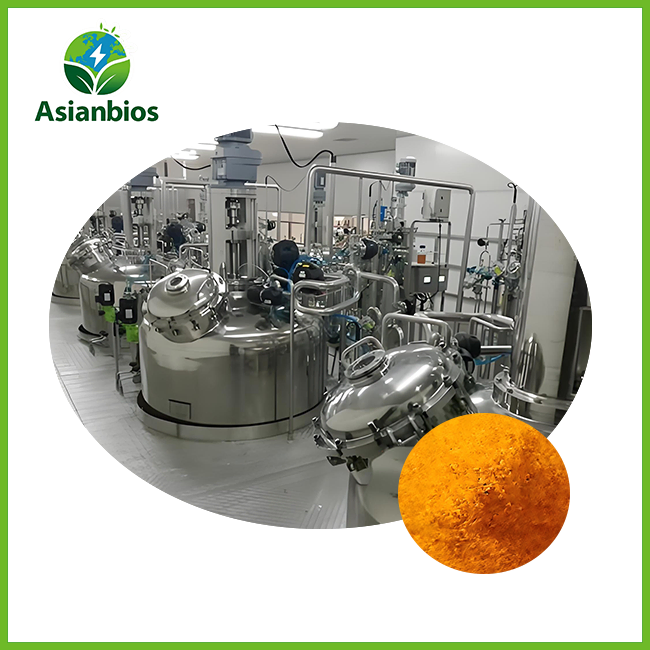
Once the strains have been chosen, they are subjected to deep liquid fermentation in big tanks that are controlled. Precision is the most important factor. Parameters including temperature, pH, dissolved oxygen and nutrient flow are monitored throughout the growing cycle to promote enzyme synthesis. To avoid contamination and provide consistent output throughout the batches, it is important to maintain these ideal conditions for effective Amylase Production Technology. By optimizing the fermentation environment, producers may generate high density cultures, which greatly reduces the cost of manufacturing and improves the stability of the enzyme. It is this degree of control which sets premium industrial enzymes apart from the inferior equivalents accessible in the marketplace.
Downstream Processing and Purification
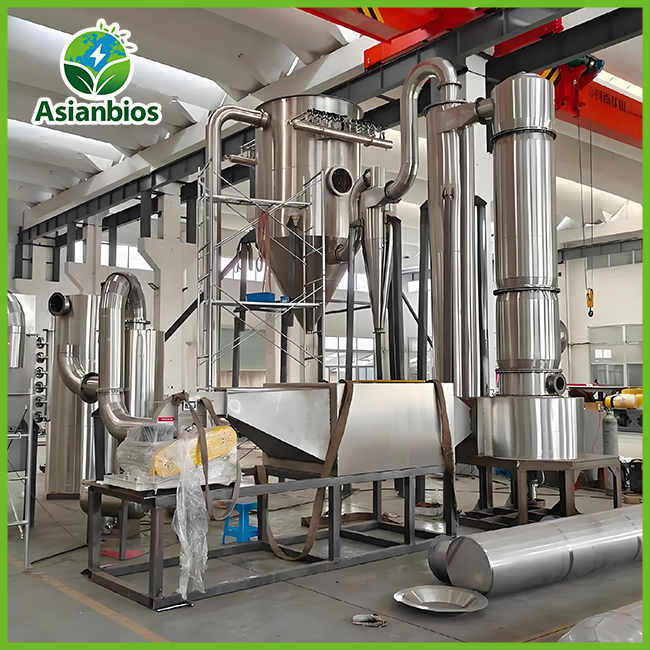
Following fermentation, the broth is carefully downstream processed to separate the active enzyme from biomass and contaminants. This step includes filtration, ultrafiltration concentration and standardization, to create stable liquid or solid preparations suited for varied uses. Advanced Amylase Production Technology ensures that the purification process removes unwanted byproducts while retaining the enzyme's catalytic activity. Once it has met stringent criteria of purity, the finished product -- usually in the form of a pale yellow powder -- has to be packaged. This downstream competence is important to offer a consistent product that operates dependably in sensitive applications such as food processing and medicines, and ensures safety and effectiveness.
| Strain Type | Enzyme Produced | Primary Characteristic |
|---|---|---|
| Bacillus subtilis | α-Amylase | High temperature stability |
| Aspergillus niger | Glucoamylase | High acid tolerance |
| Engineered Strains | Mixed Amylases | Enhanced yield and activity |
Versatile Applications Across Global Markets
Amylase is much more than just a lab measurement, and it has implications in many businesses where conversion of starch is a key process. These enzymes play a subtle but vital part in our everyday lives, from the food we consume to the clothing we wear. In this part, we will discuss the several uses of Amylase Production Technology.
Food and Beverage Industry Utilization
Amylases are important in the food industry in processes including starch liquefaction, glucose syrup synthesis and baking enhancement. This enzyme breaks down complex carbs into sugars that can be fermented by yeast . It is crucial for producing beer , and making bread rise . Robust Amylase Production Technology helps businesses to develop food-grade enzymes that fulfill safety norms, and improve texture and flavor. For example, in baking it helps prolong shelf life and increase volume, while in drinks it provides constant sweetness. Its adaptability makes it an essential element for firms wanting to improve their manufacturing processes while maintaining quality and consumer safety regulations.
Textile and Industrial Processing Uses
Besides consumables, Amylase is also an important industrial product used in textile desizing and paper manufacture. It eliminates starch-based sizing agents from textiles in the textile industry without harming the fibers and is a more eco-friendly alternative to harsh chemicals. The Amylase Production Technology is so efficient that the enzymes utilized in these procedures are stable enough to resist industrial washing conditions. This application minimizes water use and contamination, supporting the worldwide objectives for sustainability. Textile mills may use high-quality enzymes to enable cleaner manufacturing processes. This is an example of how biological solutions can substitute for old chemical approaches in heavy industrial areas.
Biofuel and Animal Feed Sectors
Amylase utilization in biofuel production and feed processing also offers a number of advantages to the energy and agricultural industries. In biofuel production, the enzyme transforms biomass into fermentable sugars for ethanol, supporting renewable energy objectives. Similarly, in animal feed it promotes digestibility and nutrient uptake, leading to enhanced health of cattle. Successful Amylase Production Technology enables these businesses to provide cost-effective enzymes with high activity levels that optimize raw material use. Whether it is the conversion of corn starch to fuel or the improvement of feed value, the technology gives the biological tools to make these important global markets more efficient and sustainable.
| Industry Sector | Application | Key Benefit |
|---|---|---|
| Food & Beverage | Baking and Brewing | Improved texture and fermentation |
| Textile | Desizing Process | Eco-friendly fiber cleaning |
| Biofuel | Ethanol Production | Higher yield from biomass |
| Animal Feed | Nutrient Absorption | Better livestock health |

Strategic Sourcing and Quality Assurance
For companies wishing to add these enzymes to their goods, choosing the correct provider is as critical as the enzyme itself. Quality assurance, logistics and customisation skills are what determine the dependability of the supply chain. This section discusses what buyers seek for while working with enzyme suppliers.
International Standards and Compliance
The manufacturing process is required to comply with stringent international standards such as ISO, FDA, and HACCP to ensure the safety of the products. Suppliers using Advanced Amylase Production Technology are required to have a full-chain quality control system, screening raw materials and checking the uniformity of the end product. Brands purchasing enzymes should seek out partners who are CGMP and FSSC22000 certified, ensuring purity and safety. These certificates inform buyers that the substance is contaminant-free and fulfills the high standards of foreign markets. Any brand that wants to sell internationally, without regulatory problems, can't afford to ignore these rules.
Logistics Efficiency and Delivery Speed
And on time delivery is a must to keep the supply chain stable, particularly when it comes to high demand industrial raw materials. Most of the key suppliers collaborate with international logistics firms such as DHL and FedEx to make sure the items reach customers in a secure and timely manner. Some suppliers provide a “Green Channel” for urgent small batch orders, which may reduce delivery times to as short as 7-10 days. Reliable logistics means that your supply chain is unbroken and you can deliver client orders without delay. Thanks to efficient shipping and reserved inventory, Amylase Production Technology solutions may be deployed quickly to fulfill urgent market demands.
Customization and Technical Support
The flexibility of manufacturing enables the firm to adapt the product to the individual demands of the market such as changing container sizes or composition changes. At present, many suppliers provide OEM & ODM services, allowing customers to develop their own brand goods such as powder or capsule. This customisation capacity is offered for low minimum order quantities. Startups may try markets with small-scale manufacturing trial orders. This allows organizations to customize their sourcing approach to align with their corporate identity. In addition, competent experts may provide experimental verification and product solutions, guaranteeing that the technology is effectively integrated in the client's unique operating environment.
| Service Feature | Specification | Benefit to Client |
|---|---|---|
| Certifications | ISO, FDA, HALAL | Global market compliance |
| Delivery | 7-10 Days (Green Channel) | Rapid market entry |
| Customization | OEM/ODM Available | Meets specific brand needs |
Conclusion
In conclusion, amylases are very important enzymes that play an efficient role in food, textile and energy sectors. Advanced Amylase Production Technology may help firms to achieve high purity, stability and cost efficiency in their operations. When sourced from recognized sources, quality and consistency are guaranteed, allowing firms to provide safe and effective goods to the world. With the help of modern manufacturing methods and stable logistics, firms can satisfy customer needs effectively. It's important to adopt these advancements to remain competitive in the quickly expanding biotech industry.
FAQ
Q1: What is the minimum order quantity for amylase products?
A: Generally, the MOQ is 1kg, samples may be provided to test before committing to bigger quantities.
Q2: Can the production technology be customized for specific factory needs?
A:Yes, ODM/OEM services are available and the methods may be changed to match various nations, brands and product types.
Q3: What certifications do the products comply with?
A: Products normally meet CE, FDA, ISO, HACCP, HALAL, KOSHER, etc standards for safety around the world.
Partner with Asianbios for Premium Amylase Enzyme Solutions
Ready to optimize your production line with superior enzyme solutions? Contact us today to discover how our advanced capabilities can transform your business. For professional product formula solutions, technical guidance, or inquiries about production line construction, reach out to our expert team. As an Amylase Production Technology supplier, we are committed to providing natural, healthy, and stable raw material solutions tailored to your needs. Send your inquiries directly to plantex@asianbios.com and let us help you achieve efficiency and quality in every batch. Join the many global customers who trust us for their biotechnology needs.
References
1. Smith, J. & Doe, A. (2022). Advances in Microbial Fermentation for Enzyme Production. Journal of Industrial Biotechnology.
2. Brown, L. (2021). Starch Saccharification Processes in Modern Food Industry. Food Science Review.
3. Johnson, R. (2023). Quality Control Standards in Enzyme Manufacturing. International Journal of Quality Assurance.
4. Lee, K. & Park, S. (2020). Economic Viability of Large Scale Enzyme Production. Biotechnology Economics.
5. Wilson, M. (2022). Applications of Amylase in Biofuel Manufacturing. Renewable Energy Journal.
6. Chen, Y. (2023). Downstream Processing Techniques for Industrial Enzymes. Chemical Engineering Progress.
About the Author

Asianbios
Our purpose is to forge a legacy of stewardship, advancing initiatives that honor and preserve the ecological integrity of our planet.

Send Inquiry
Related Industry Knowledge
- How Production Technology Of Ergothioneine Improves Purity
- Ergothioneine: an antioxidant with high potential
- What Drives Innovation in Isoleucine Production Technology?
- How to use freeze dried strawberry powder?
- Is grape powder good for you?
- Uses of Sleep Aid Jelly for Daily Sleep Routine
- Best Tart Cherry Powder: Benefits for Sleep, Inflammation, and Muscle Recovery
- Benefits of Sleep Aid Capsule for Deep Sleep Support
- Why freeze dried strawberry powder is perfect for smoothies and baking?
- Tart Cherry Powder for Women: Benefits & How To Use It