Hyaluronic Acid: What It Is and How to Use It
Because it keeps water in so well, hyaluronic acid has changed how makeup and vitamins are made. People who buy things for other businesses should get hyaluronic acid powder bulk because it is stable, cheap, and simple to mix with other things. This glycosaminoglycan is found in nature and can hold up to 1,000 times its own weight in water. This is important for businesses that make cosmetics, nutraceuticals, and functional drinks that want to make high-performance goods that meet changing customer needs for anti-aging and noticeable hydration.
Understanding Hyaluronic Acid Powder Bulk
What Is Hyaluronic Acid?
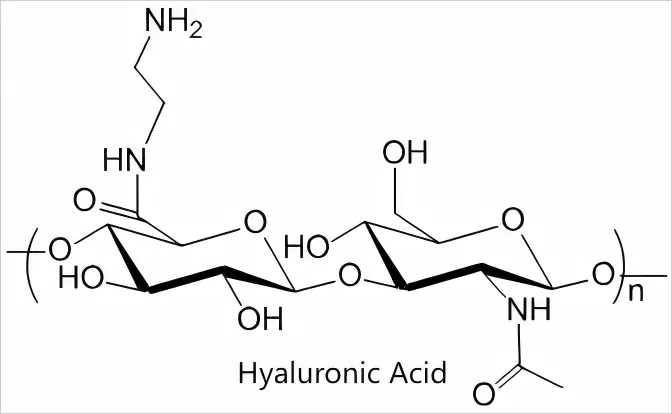
Hyaluronic acid is a long carbohydrate that is made up of N-acetyl-D-glucosamine and D-glucuronic acid disaccharide units that are repeated many times. This biopolymer is naturally found in skin, joint fluid, and connective tissues, where it keeps these tissues damp and strong. Advanced microbial fermentation with Streptococcus zooepidemicus strains is used to make hyaluronic acid for business purposes. This process makes material that is safe for use in medicine and doesn't contain any animal-derived contaminants.
Because of the way its molecules are set up, hyaluronic acid is very good at holding water. The molecules of water around each other form hydrogen bonds, creating a gel structure that is moist and gives live cells shape and support. This one-of-a-kind quality makes it useful in many areas.
Chemical Properties and Production Methods
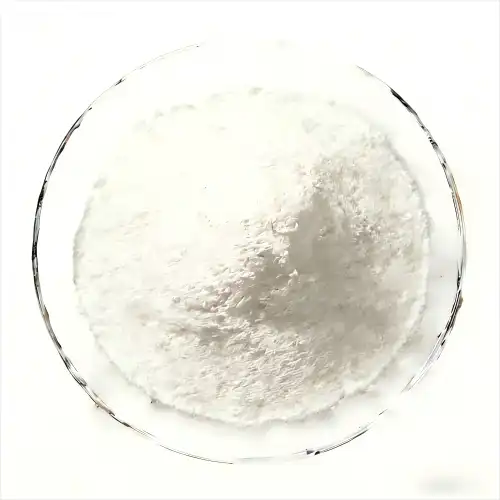
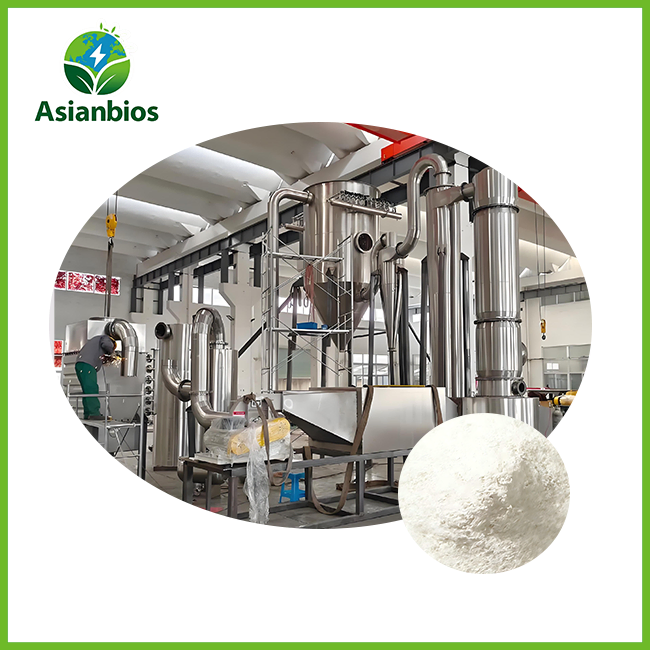
Hyaluronic acid powder bulk-manufactured through spray drying is more stable than liquid forms. Dehydration keeps the molecules pure, stops bacteria from growing, and lowers the shipping cost. HPLC analysis shows that premium-grade powder is generally white, has particles that are small enough to fit through 80 mesh screens, and is 98% pure.
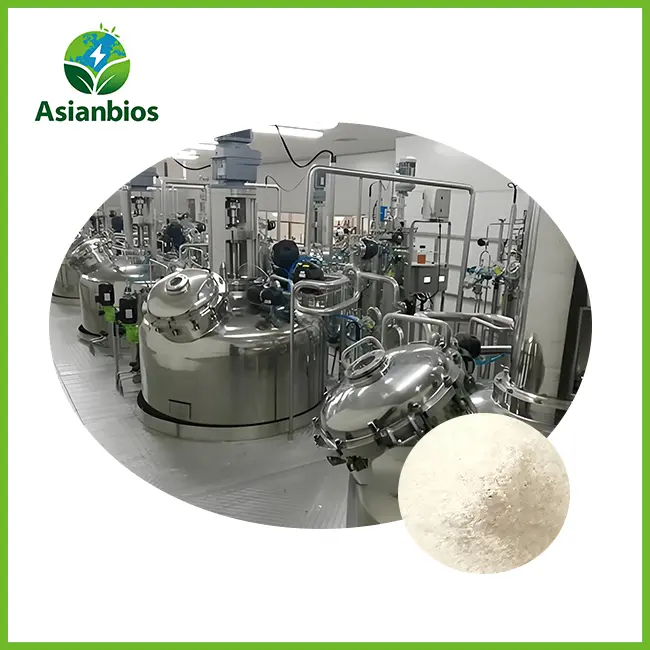
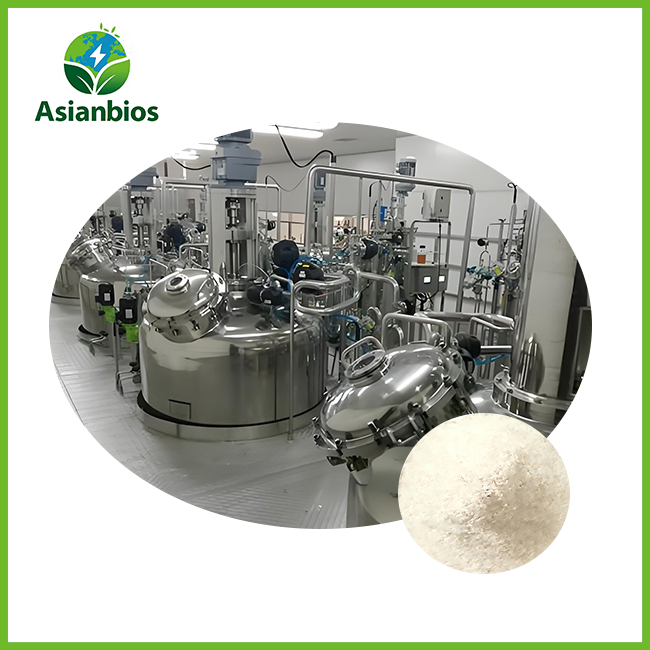
Bio-fermentation techniques used today make sure that every batch has the same level of quality. Manufacturers grow different kinds of germs in controlled environments, then filter and precipitate the solution several times to get the hyaluronic acid out and clean it. When the pure solution is sprayed dry, it turns into a stable powder. You can keep the bioactivity while making the product last longer—more than 24 months if you store it right. Having a glucuronic acid content above 44%, a moisture content below 10%, and strict limits on heavy metals and endotoxins are some of the things that ensure quality. This makes sure that the product meets international standards like Ph. Eur., USP, and FCC, which is important for makeup and food.
Molecular Weight and Its Impact
It is the chemical weight that makes a big difference in how well hyaluronic acid works in formulations. It ranges from oligomeric pieces with a mass of less than 3 kilodaltons to different types with a molecular weight of more than 3 million daltons. When making things, each group is used for a different task.
With a molecular weight of 10–50 kDa, hyaluronic acid can easily get into the stratum corneum and fully hydrate the skin. It can also start cellular signaling pathways that help make collagen. Versions with a molecular weight of 50 to 1,000 kDa make the skin thicker and keep the epidermis moist. Over 1,000 kDa molecules protect the skin's surface by building layers that stop water loss through the epidermis and make the skin smooth right away.
Benefits and Applications of Hyaluronic Acid Powder Bulk in Cosmetics
Superior Hydration and Skin Benefits
Hyaluronic acid is valuable in the beauty industry because it can keep skin moist in many ways. Hyaluronic acid actively pulls water from the air and the skin's lower layers, which helps keep the humidity levels that support barrier function. This is not the same as occlusive creams, which only keep water in. After two weeks of regular use, clinical tests show that putting something on the skin makes it 15% to 30% more wet.
Not only does hyaluronic acid keep the skin wet, but it also helps wounds heal by getting fibroblasts to move and the extracellular matrix to form. Because it is an antioxidant, it protects against damage from free radicals that come from UV light and smog. These benefits work together to get rid of fine lines, make skin more flexible, and help it heal faster after getting skilled skin care. When the powder is used, formulators can carefully control the amount. Rates of use in finished goods range from 0.1% to 2%, depending on the thickness that is needed and the claims that are made about the job. When used in larger amounts, they create gel-like textures that are good for some treatments. When used in smaller amounts, they make light serums and essences work well.
Formulation Guidelines and Synergistic Ingredients
When you add hyaluronic acid powder bulk to cosmetic recipes, you need to pay attention to how it dissolves and how to maximize the pH. The powder dissolves easily in water between 20°C and 40°C when mixed slowly, forming solutions that are clear and thick. Add the powder slowly and wait for it to fully dissolve before adding any other ingredients to keep it from sticking.
Between 5.5 and 7.5 is the best pH range because it keeps molecules steady and is about the same acidity level as skin. The polymer chains can break down at very high or very low pH levels, which makes them less useful. Peptides, glycerin, and ceramides are all ingredients that get along well with each other and make water networks that work better. Whitening products that contain niacinamide and vitamin C derivatives work well together; however, formulators should test these in situations that cause them to break down quickly to ensure they remain stable.
Safety Profile and Regulatory Compliance
Hyaluronic acid has a very good safety record when used in cosmetics, with very few side effects being reported. It is safe and doesn't cause immune reactions because it is naturally found in the human body. Patch tests generally show sensitivity rates below 0.1%, which means they can be used for sensitive skin care items.
Safety groups all over the world know that hyaluronic acid is safe. Most people think it is safe to use on the skin, so the FDA says it is GRAS. The European Union's Cosmetic Regulation 1223/2009 says that it can be used in any amount. Hyaluronic acid powder makers must keep their current cGMP approvals and give Certificates of Analysis that show how pure the powder is, how its molecular weight is distributed, and how many bugs it can hold.
Comparison and Selection: Choosing the Right Hyaluronic Acid Powder Bulk
Powder vs. Liquid Forms
Hyaluronic acid powder bulk offers compelling advantages for businesses that make many items or need to keep things for a long time. There is about 90% less water in powdered formulations than in liquid ones, making them 90% lighter for shipping. Freight costs go down because of this, especially when sending things from Asia to markets in North America or Europe. It also takes up less space in the building because 25 kg drums of powder make a lot more finished goods than the same amount of liquid solutions.
Another important differentiator is stability. To keep its thickness and chemical weight, liquid hyaluronic acid usually needs to be kept in the fridge and away from germs. Powder forms stay stable at room temperature for at least 24 months. This makes it easier to keep track of goods and reduces the amount of trash that comes from old materials. Powder can be refreshed exactly when it's needed, so manufacturers don't have to deal with the issues that come up when they open liquid packages and only use some of the contents.
When it comes to making things, powder gives you more ways to get the forms and amounts you need. Because liquid solutions come in set amounts, it's hard to make changes without going through troublesome steps to dilute them. As little as 0.1% powder can be used to make thin toners, and as much as 2% powder can be used to make thick gel masks.
Molecular Weight Selection Criteria
You need to know how molecules interact with each other at different sizes in order to match molecular weight to product goals. Molecular weight standards should be made by the buying teams and the research and development teams together to match marketing claims and customer expectations.
Cellular sensors are activated by oligomeric hyaluronic acid (below 10 kDa), which helps tissues heal. Because these pieces help keratinocytes grow, and fibroblasts work better, they are great for strong repair serums and caring for skin after surgery. Because the molecules are so small, they can absorb water quickly, but the surface doesn't get much water right away.
Hyaluronic acid with a molecular weight of 100 to 500 kDa is a good choice because it works on both the top and the deep layers of skin. It's good for daily lotions and multi-use creams that need to calm the skin right away and keep it moist for a long time. They stay big enough to get through the top layers of skin and keep the skin wet on top.A lot of sellers offer unique molecular weight blends that mix different sizes to offer many benefits. When it comes to meeting the needs of specific customers, these unique recipes work better than choices with a single molecular weight.
Supplier Evaluation and Sourcing Criteria
Here are some things you should think about to find the best hyaluronic acid powder bulk service. You can judge a seller by the quality marks they offer. Companies with a good name follow cGMP, ISO 9001, and FSSC22000 standards. This shows that they care about controlling the process and making sure the products are safe. Brands that sell to a lot of different types of people can get into more markets with the help of certifications like HALAL and KOSHER.
Leading sellers are different from basic sellers because they know more about technology. For example, advanced manufacturers can change the molecular weight, make the particles smaller or larger, and check for compatibility. Professional labs that can be checked by a third party make sure that quality is always the same and make it easy to file legal papers in new markets.
Being clear about the price and the terms of payment is also important when picking a seller. Prices should be competitive based on quality standards. People who sell in bulk, give return customers longer payment terms, and do cost-in-use studies show that they want to work with their customers for a long time, not just do business with them.
Procurement Guide: How to Buy Hyaluronic Acid Powder Bulk Efficiently
Identifying Reputable Manufacturers
The global supply chain for hyaluronic acid powder bulk centers on several key production regions, each offering distinct advantages. Most of the goods are made in China, which has competitive production rates and leverages advanced fermentation technology. Asianbios is one company that has been around for a long time, making cosmetic-grade powder that meets international standards for cleanliness by using modern quality systems and decades of experience in extraction.
Because of strict rules, European sellers usually focus on making goods that are safe for use in medicines, which costs more. These sources are useful for brands that want to say that their products are from Europe or that need to be able to prove where their products came from for medical reasons. North American distributors often get their goods from Asia, offering customers in the US and Canada local stock, expert help, and faster shipping.
More than just certificates should be looked at when it comes to manufacturing skills. Learn about the equipment used for fermentation, the ways that the material is cleaned, and the research tools that are used to ensure quality. Suppliers who use modern spray-drying systems and have HPLC, GC-MS, and microbial testing skills on staff are scientifically advanced, which means that the quality of all the products is the same.
Certification and Quality Assurance
Having good papers protects buyers from getting low-quality materials that hurt how well a product works and how the brand is seen. Each package should come with a Certificate of Analysis (CoA). It should have a list of the test findings for endotoxin levels, heavy metals, microbial contamination, purity, and identity. Make sure that the requirements set by the CoA match the internal standards and pharmacopeial requirements that are important to your use.
An important thing to know about a product is its molecular weight spread, but a lot of sellers will only give you the average molecular weight. To be sure that every run is the same, you should ask for gel permeation chromatography data or full molecular weight distribution graphs. When molecular weight profiles vary a lot, it can be hard to tell how the stickiness and usefulness of finished goods will change.
A deal with your providers should say that you will let them know about any changes to the process, where your ingredients come from, or the quality of the goods you use. Even if the specs stay the same, changes in how a product is made can change how it works. This could make the recipe less stable or less successful.
Sample Testing and Bulk Ordering
Before buying a lot of something, you should always carefully look over a sample. You can get samples from trustworthy sellers starting at as little as 100 grams, so you can fully test the product before placing a large order. Tests for both analytical proof and recipe fit should be done on samples.
Testing with an analytical tool shows that the hyaluronic acid powder bulk sample's specs are the same as what the seller said they were. A test in a different lab gives unbiased proof of purity, molecular weight, and contamination levels. It takes longer and costs more to have a third-party test your product, but it makes sure that you don't cheat on the specs and sets quality standards for future exports.
Formulation trials show parts of performance that specs alone can't tell you about. Use sample material to test real product recipes. See how they dissolve, how their thickness changes, how clear they become, and how stable they are in conditions that make them age faster. It's important to test your goods with all of the chemical mixes they need and across the whole pH range. Write down any issues or strange actions you notice.
When it comes to purchasing goods, how the goods feel is just as important as how well they work technically. Test different products on your skin to see how they feel and how quickly they absorb. It's true that some hyaluronic acid creams work, but they leave behind sticky residues or films that people don't like. Before buying a lot of things, it's a good idea to test them with possible buyers and get their feedback.
When you place a buy order, be clear about what you want and include sample batch numbers that meet your quality specifications. Write down the amounts of variation that are allowed for important factors and what needs to be done if supplies don't meet the requirements. When you have a good buy agreement, you and the other person know what is expected of you in terms of quality and can't argue.
Conclusion
Businesses that make high-performance beauty, health, and function products should buy hyaluronic acid powder in bulk. It's an important part of many goods because it keeps things moist, can be used in many ways, and is safe. If you want to buy something, you should carefully look into the seller, pick a molecular weight that works with your product goals, and try samples before making big claims. If people who work in procurement know about purity specs, molecular weight ranges, and quality certifications, they can find materials that meet both manufacturing needs and legal standards. The best thing about powders is that they are more stable, cheaper to ship, and can be made in more ways, so they can be used for many different things.
FAQ
1. What is the optimal dosage of hyaluronic acid powder in cosmetic formulations?
Most products have hyaluronic acid that makes up 0.1% to 2.0% of their weight. To keep the skin moist without making the product too thick, most light toners and serums use 0.1% to 0.5%. Concentrated serums and other intensive treatment products use 1.0 to 2.0% to get the skin as wet as possible and make it look bigger. How much you use depends on the molecular weight, the shape you want, and any other items in the recipe that work well with it.
2. Does hyaluronic acid powder have side effects?
Great news: hyaluronic acid is very safe and doesn't have many bad effects. Treatment that goes on the skin rarely bothers or makes the skin more sensitive because it is biocompatible with human flesh. Some people with very sensitive skin say they get short-term swelling that goes away in a few hours. Also, vitamins taken by mouth are usually safe. Clinical tests have shown that doses below 200 mg per day don't cause any major side effects.
3. How does molecular weight affect product performance?
How deeply something goes into the cell and what effects it has in real life depend on its molecular weight. Molecules with a molecular weight of less than 50 kDa can get deep into the dermal layers and get cells to work and truly moisturize the skin. When it comes to effects, medium weight (50–1,000 kDa) is a good mix, with average entry and surface watering. There are molecules on the skin's surface that have a molecular weight of more than 1,000 kDa. These molecules form protective films that stop water loss and make the skin smooth right away.
Partner with Asianbios for Premium Hyaluronic Acid Powder Bulk
Asianbios provides pharmaceutical-grade hyaluronic acid powder bulk manufactured through modern spray-drying technology, and HPLC research shows that it is 98% pure. Our white powder is good for cosmetics because it holds water very well, making it useful for many makeup, vitamin, and healthy drink recipes. Our many certificates, including cGMP, FSSC22000, ISO9001, HALAL, KOSHER, and HACCP, show that we are dedicated to meeting the highest quality standards around the world. We have a lot of stock on hand so that we can send it out within 10 days, offering fast global logistics thanks to our relationships with DHL, FedEx, and SF Express. Flexible MOQs starting at 1 kg can meet the needs of making a product, and OEM and ODM services can help with the whole process, from coming up with an idea to making the product. Our skilled team can help you with things like formulation, stability tests, and regulatory paperwork. Write to plantex@asianbios.com to get samples and talk about your specific needs with a dependable hyaluronic acid powder bulk supplier.
References
1. Bukhari, S. N. A., Roswandi, N. L., Waqas, M., et al. (2018). Hyaluronic acid, a promising skin rejuvenating biomedicine: A review of recent updates and pre-clinical and clinical investigations on cosmetic and nutricosmetic effects. International Journal of Biological Macromolecules, 120, 1682-1695.
2. Papakonstantinou, E., Roth, M., & Karakiulakis, G. (2012). Hyaluronic acid: A key molecule in skin aging. Dermato-Endocrinology, 4(3), 253-258.
3. Juhlin, L. (1997). Hyaluronan in skin. Journal of Internal Medicine, 242(1), 61-66.
4. Stern, R., Asari, A. A., & Sugahara, K. N. (2006). Hyaluronan fragments: An information-rich system. European Journal of Cell Biology, 85(8), 699-715.
5. Goa, K. L., & Benfield, P. (1994). Hyaluronic acid: A review of its pharmacology and use as a surgical aid in ophthalmology, and its therapeutic potential in joint disease and web-healing. Drugs, 47(3), 536-566.
6. Kawada, C., Yoshida, T., Yoshida, H., et al. (2014). Ingested hyaluronan moisturizes dry skin. Nutrition Journal, 13(1), 70-78.

Send Inquiry
Related Industry Knowledge
- Freeze-dried sea buckthorn powder as the perfect source of vitamins
- Best Tryptophan Production Technology for Feed Industry
- How to use freeze dried strawberry powder?
- Is Freeze Dried Kiwi Powder Rich in Vitamin C?
- Sleep Aid Brewing Powder Guide for Better Sleep Ritual
- Lysine Production Technology Price Factors Explained
- Benefits of Sleep Aid Jelly for Better Night Sleep
- Vitamin C Production Technology Uses in Food & Pharma
- Best Grape Powder in 2026: Expert Reviews, Health Benefits & Buying Guide
- Radish Freeze-Dried Powder: Benefits, Uses, and Nutritional Value Explained