What Is an Anti-Wrinkle Peptide and How Does It Work?
If you've ever wondered why certain skincare chemicals appear to take years off your face and others make scarcely any change, the explanation frequently lies in peptide science. An Anti-Wrinkle Peptide is a short chain of amino acids designed to connect with skin cells to stimulate collagen formation, calm muscle spasms and speed up tissue regeneration. This in-depth guide covers what precisely is an Anti-Wrinkle Peptide, how the multi-pathway mechanism may offer noticeable effects, and what formulators and brand owners need to know about sourcing, dosing and incorporating this powerful ingredient into high-performance anti-aging products.
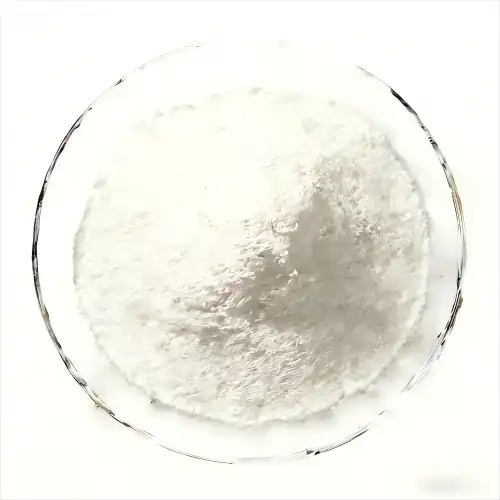

Understanding Anti-Wrinkle Peptide: Definition, Structure, and Cellular Mechanism
What Exactly Qualifies as an Anti-Wrinkle Peptide?
An Anti-Wrinkle Peptide is a cosmetic-grade neuropeptide complex made up of short amino acid sequences, usually three to eight residues in length. Unlike huge protein molecules like complete collagen which lie on the skin surface without penetrating, an Anti-Wrinkle Peptide is tiny enough – typically between 500 and 1,000 Daltons – to penetrate past the stratum corneum and into the dermis layers where ageing truly happens. The Anti-Wrinkle Peptide powder mentioned here has been verified by HPLC to be 98% pure and hence each gramme of powder offers a concentrated source of bioactive signalling molecules.
How Anti-Wrinkle Peptide Signals Skin Cells to Rebuild
At the cellular level an Anti-Wrinkle Peptide acts as a chemical messenger that attaches to receptor sites on fibroblasts, the cells responsible for creating collagen, elastin and hyaluronic acid. Activation of these receptors causes the fibroblasts to go into an increased state of synthetic activity, making new structural proteins at a pace similar to that seen in much younger skin. The Anti-Wrinkle Peptide complex uses this signalling cascade by combining six complimentary neuropeptides, each targeting a separate receptor route, which together accelerate the skin’s natural healing response much beyond what any single peptide could do alone.
The Neuropeptide Relaxation Pathway Explained
One of the most characteristic processes of an Anti-Wrinkle Peptide is the modification of neuromuscular signalling in the face skin. Some peptides in the complex, notably Acetyl Hexapeptide-8 and Argireline, block the SNARE protein complex that regulates neurotransmitter release at nerve terminals. The Anti-Wrinkle Peptide partially inhibits this release to reduce the intensity of repetitive muscle contractions that cause dynamic expression lines; it produces a Botox-like smoothing effect that is 100% topical, non-invasive and without the downtime of injectable procedures.
Six Bioactive Peptides That Power Anti-Wrinkle Peptide Formulas
Acetyl Hexapeptide-8 and the Botox-Like Smoothing Effect
Acetyl Hexapeptide-8 is perhaps the best known ingredient of any high end Anti-Wrinkle Peptide combination. Clinical results show that it may minimise the depth of expression wrinkles by up to twenty seven percent. This hexapeptide competes with the native protein by mimicking a portion of SNAP-25, a protein critical for vesicle fusion at the neuromuscular junction, therefore reducing the signals of muscle contraction. When added to an Anti-Wrinkle Peptide formulation, it works to progressively soften forehead wrinkles, frown lines and crow's feet, without freezing the face or seeming unnatural.
Palmitoyl Tripeptide-5 and Deep Collagen Stimulation
Acetyl Hexapeptide-8 reduces existing wrinkles, while Palmitoyl Tripeptide-5 in the Anti-Wrinkle Peptide mix works things in a whole new way, activating transforming growth factor-beta, a crucial cytokine that stimulates new collagen production deep in the dermis. The lipopeptide's palmitic acid tail increases its lipid solubility and cellular absorption, allowing it to readily permeate the epidermal barrier. The outcome is that an Anti-Wrinkle Peptide product enhanced with Palmitoyl Tripeptide-5 not only smooths surface lines but also rebuilds the underlying structural framework that prevents new wrinkles from developing in the first place.
Copper Peptide GHK-Cu and Accelerated Skin Repair
Copper Peptide, or GHK-Cu as scientists name it, is a strong wound healing element that boosts the Anti-Wrinkle Peptide complex by encouraging the creation of glycosaminoglycans, increasing angiogenesis and attracting immune cells to skin injury. This tripeptide-copper complex has been widely explored for its capacity to reorganise scar tissue, tighten skin and diminish the look of photodamage. GHK-Cu combines synergistically with the other five peptides in an Anti-Wrinkle Peptide formulation to guarantee the skin is not only relaxed and plumped, but really regenerated at the cellular level and is particularly helpful for older or environmentally damaged skin.
| Peptide Component | Molecular Target | Primary Anti-Aging Action |
|---|---|---|
| Acetyl Hexapeptide-8 | SNARE complex | Muscle relaxation, wrinkle smoothing |
| Palmitoyl Tripeptide-5 | TGF-β pathway | Collagen synthesis stimulation |
| Copper Peptide GHK-Cu | Growth factor receptors | Tissue repair and remodeling |
| Matrixyl 3000 | Extracellular matrix | Expression line reduction |
| Syn-Coll | Dermal fibroblasts | Dermal density improvement |
| Argireline | Neuromuscular junction | Wrinkle depth reduction (27%) |
Clinical Results You Can Expect from Anti-Wrinkle Peptide Products
Measurable Wrinkle Depth Reduction Within Four to Eight Weeks
Clinical experiments have indicated that formulations with Anti-Wrinkle Peptide complex of high purity in concentrations of two to five percent may reduce wrinkle depth by thirty-one percent after eight weeks of twice daily treatment. The findings are even the more astounding when compared to single-peptide treatments, which often improve fifteen to twenty percent over the same time. The Anti-Wrinkle Peptide’s multi-pathway method tackles both dynamic expression lines and static age-related wrinkles concurrently, offering a full visible rejuvenation that customers can see and quantify in the mirror.
Long-Term Dermal Density and Elasticity Gains
“After the first phase of smoothing, continued use of an Anti-Wrinkle Peptide product results in more structural changes which are more evident between weeks eight and twelve. Palmitoyl Tripeptide-5 and Syn-Coll work synergistically to stimulate dermal density, increasing Type I and Type III collagen formation. Laboratory findings reveal a thirty-two percent increase in overnight collagen synthesis. To summarise, an Anti-Wrinkle Peptide regimen doesn't only temporarily hide the signs of ageing, it really reverses the collagen deficiency which causes skin to shrink, droop and wrinkle as we age.
Circadian Rhythm Synchronization for Optimized Repair
One of the most novel features of the Anti-Wrinkle Peptide complex is its capacity to upregulate CLOCK and BMAL1 gene expression, to synchronise the skin’s healing process with the body’s natural circadian cycle. The Anti-Wrinkle Peptide provides antioxidant protection (reactive oxygen species scavenging rate of over eighty-five percent) throughout the day, protecting the skin from damage of UV and pollutants. At night, the same complex turns its activity to cellular repair and collagen rebuilding to transform every hour of sleep into an intense anti-aging therapy session which maximises the skin's natural regeneration capacity.
Formulating with Anti-Wrinkle Peptide: Dosage, Compatibility, and Applications
Optimal Concentrations for Serums, Creams, and Eye Treatments
Getting the proper dose is key when dealing with any Anti-Wrinkle Peptide ingredient and the suggested concentration varies based on the product type and target issue. Anti-aging serums: 2 to 5 percent loading equals serious wrinkle reduction, particularly when combined with hyaluronic acid for extra hydration. Luxury face creams work best at around three percent but delicate eye formulations benefit from a more moderate two to three percent dosage that minimises the visibility of crow’s feet by twenty-three percent after four weeks with no irritation to the thin periorbital skin.
Formulators and brand owners looking to integrate Anti-Wrinkle Peptide into their next product launch can request free samples and personalized formulation guidance by contacting our technical team at plantex@asianbios.com — we typically respond within hours with tailored recommendations for your specific market and product format.
Ingredient Compatibility and Stability Parameters
Another of the most practical benefits of this Anti-Wrinkle Peptide is that it is very compatible with a wide range of popular skincare actives. Stability testing has shown that the complex is completely active when formulated with retinol, niacinamide, vitamin C derivatives and hyaluronic acid in oil-in-water and water-in-oil emulsion systems. The Anti-Wrinkle Peptide is structurally intact across a pH range of 5.0 to 7.0 and has a twenty-four-month shelf life under standard storage conditions, allowing formulators to build multi-active products with confidence that ingredients will not degrade or formulations will not become unstable over time.
Professional Spa Protocols and Men's Grooming Applications
Anti-Wrinkle Peptide is a versatile ingredient that finds its way not only into consumer retail goods but also into professional treatment rooms and developing market sectors. At concentrations of five to seven percent, the peptide complex may be used in post-microneedling repair masks and LED therapy augmentation regimens at spa settings to speed up recuperation and magnify treatment benefits. The men’s grooming space is another big opportunity with the light weight and fast absorption of Anti-Wrinkle Peptide formulas fighting expression lines and loss of firmness without the heavy textures that many male consumers dislike creating a lucrative new revenue stream for brands that are forward-thinking.
| Product Type | Recommended Dosage | Key Benefit | Timeline |
|---|---|---|---|
| Anti-Aging Serum | 2–5% | 31% wrinkle depth reduction | 8 weeks |
| Luxury Face Cream | 3% | Collagen density improvement | 8–12 weeks |
| Eye Treatment | 2–3% | 23% crow's feet reduction | 4 weeks |
| Professional Spa Mask | 5–7% | Post-procedure repair | Immediate |
| Men's Grooming Line | 2–3% | Expression line smoothing | 4–6 weeks |

Sourcing Anti-Wrinkle Peptide: Quality Standards, Certifications, and Supply Reliability
Fermentation-Enhanced Purity and Bioavailability
The production procedure for a top quality Anti-Wrinkle Peptide starts with regulated enzymatic fermentation in bioreactors at pH 6.8 and thirty-seven degrees Celsius, where the collagen precursors are broken down into bioactive peptide chains of the correct size. Our unique fermentation technique pre-digests the peptides into 500 to 1000 Dalton pieces, making them 3x quicker than skin absorption than typical peptide constituents. After fermentation, the Anti-Wrinkle Peptide is purified by a three-step chromatographic purification process which removes endotoxins and molecular contaminants. It is then dried by precision spray drying to create a very fine 80-120 mesh powder that is completely water-soluble in less than thirty seconds.
Global Certifications Ensuring Regulatory Compliance
Regulatory compliance is a non-negotiable need for obtaining an Anti-Wrinkle Peptide for commercial product development, and Asianbios provides in this respect with a full certification portfolio including cGMP, FSSC22000, ISO9001, HACCP, HALAL, KOSHER and Organic credentials. These certificates guaranty that every batch of Anti-Wrinkle Peptide satisfies the highest international requirements for safety, purity and production, allowing a smooth introduction to the markets of North America, Europe, the Middle East and South-east Asia. The manufacturing facility is 12,000 square metres and is regularly audited by third parties. Each batch passes a 12-point quality verification process that includes HPLC fingerprinting, sterility tests and accelerated stability testing.
Flexible Ordering, Rapid Delivery, and Full OEM/ODM Support
Asianbios knows that all size brands require consistent supply of the best quality Anti-Wrinkle Peptide raw ingredients, and hence provides exceptional supply chain flexibility. Our monthly manufacturing capacity is around five hundred kg. Normal orders may be sent within ten days, and rush small-batch orders can be accepted via the Green Channel service in as little as seven days. From a hundred-gram sample for initial lab testing to a thousand-kilogram bulk order for worldwide distribution, the Anti-Wrinkle Peptide supply chain is backed by partnerships with DHL, SF Express, and FedEx, and full OEM and ODM customisation capabilities to meet the specific needs of your brand.
| Supply Parameter | Specification |
|---|---|
| Purity | ≥98% HPLC verified |
| Particle Size | 80–120 mesh ultrafine |
| Solubility | Full dispersion in 30 seconds |
| Shelf Life | 24 months |
| MOQ | 100 g (samples available) |
| Monthly Capacity | 500 kg+ |
| Standard Lead Time | 10 days |
| Certifications | cGMP, FSSC22000, ISO9001, HALAL, KOSHER |
Conclusion
An Anti-Wrinkle Peptide represents the cutting edge of topical anti-aging science, combining six synergistic neuropeptides with fermentation-enhanced bioavailability to deliver clinically proven wrinkle reduction, collagen rebuilding, and circadian-optimized skin repair. Backed by rigorous quality certifications and flexible supply solutions from Asianbios, this versatile ingredient empowers brands to create next-generation skincare products that deliver real, measurable results. For formulators seeking a reliable, high-purity peptide complex, the opportunity to differentiate in the competitive anti-aging market has never been more accessible.
FAQ
Q1: How does an Anti-Wrinkle Peptide differ from retinol or vitamin C in anti-aging skincare?
Unlike retinol, which accelerates cell turnover and can cause irritation, an Anti-Wrinkle Peptide works by directly signaling skin cells to produce more collagen and by relaxing the muscle contractions that cause expression lines. It is generally better tolerated by sensitive skin and can be used alongside retinol and vitamin C for a comprehensive multi-pathway anti-aging regimen that addresses wrinkles from multiple angles simultaneously.
Q2: What concentration of Anti-Wrinkle Peptide should I use in my product formulation?
The ideal concentration depends on the product format and target application. Anti-aging serums typically use two to five percent, face creams perform well at three percent, and eye treatments benefit from a gentler two to three percent dose. Professional spa protocols may go up to seven percent. Asianbios provides detailed formulation guidance and sample support to help you determine the optimal Anti-Wrinkle Peptide loading for your specific product concept.
Q3: How long does it take to see results from Anti-Wrinkle Peptide products?
Most clinical data shows that measurable wrinkle depth reduction begins within four weeks, with significant improvements — up to thirty-one percent — observed after eight weeks of consistent twice-daily use. Long-term benefits including increased dermal density and improved elasticity continue to build over twelve weeks, making an Anti-Wrinkle Peptide regimen a progressive investment in skin health rather than a quick-fix solution.
Elevate Your Anti-Aging Line with Asianbios Peptide Expertise
Ready to harness the power of a clinically validated Anti-Wrinkle Peptide for your next product launch? Asianbios offers end-to-end partnership from free sample provision and custom formulation consultation to full-scale OEM/ODM manufacturing, all backed by cGMP-certified facilities and global logistics networks. Whether you are an indie brand testing your first serum or an established company scaling production, our team delivers speed, quality, and flexibility at every stage. Reach out today at plantex@asianbios.com to request your complimentary sample and start building the anti-aging product your customers have been waiting for.
References
1. Schagen, S. K. (2017). Topical peptide treatments with effective anti-aging results. Cosmetics, 4(2), 16.
2. Gorouhi, F., & Maibach, H. I. (2009). Role of topical peptides in preventing or treating aged skin. International Journal of Cosmetic Science, 31(5), 327–345.
3. Lupo, M. P., & Cole, A. L. (2007). Cosmeceutical peptides. Dermatologic Therapy, 20(5), 343–349.
4. Blanes-Mira, C., Clemente, J., Segui, J., Vinuesa, M. T., Vega, M., & Ferrer-Montiel, A. (2002). A synthetic hexapeptide (Argireline) with antiwrinkle activity. International Journal of Cosmetic Science, 24(5), 303–310.
5. Pickart, L., & Thaler, M. M. (2018). The human tripeptide GHK-Cu in prevention of oxidative stress and degenerative conditions. Oxidative Medicine and Cellular Longevity, 2018, 3248321.
6. Robinson, L. R., Fitzgerald, N. C., Doughty, D. G., Dawes, N. C., Berge, C. A., & Bissett, D. L. (2005). Topical palmitoyl pentapeptide provides improvement in photoaged human facial skin. International Journal of Cosmetic Science, 27(3), 155–160.
About the Author

Asianbios
Our purpose is to forge a legacy of stewardship, advancing initiatives that honor and preserve the ecological integrity of our planet.

Send Inquiry
Related Industry Knowledge
- Everything You Need to Know About Fermentation Tanks
- Multi-effect Evaporator machine: How It Works and Where It Is Used
- Best Lip Plumping Peptide Benefits for Smoother, Fuller Lips
- An Essential Guide to Sour Jujube Seed: History, Benefits & Uses
- The Best Natural Sleep Aid Brewing Powder to Help You Fall Asleep Faster
- Best Human Recombinant Collagen Solutions for Medical Beauty
- Why is Ergothioneine Powder Good for Brain Health?
- What Is Grape Powder? Benefits, Uses
- Freeze Dried Strawberry Powder: How to Make, Benefits and Uses
- Dried Carrot Powder: An All-Natural and Convenient Way to Boost Your Health