What Is Grape Powder? Benefits, Uses
Grape powder comes from whole grapes that have been dried out mostly with spray drying technology. It is a concentrated plant ingredient. There are many healthy things in grapes, like antioxidants, anthocyanins, resveratrol, vitamins, and minerals. The best grape powder has all of these things in a form that is easy to store and use. Some of the most important problems in the supply chain are fixed by this change. For example, it is no longer so hard to move things around, or that fresh food goes bad so quickly. Grape powder has uniform bioactive material that has been shown to work for people who buy functional foods, nutraceuticals, cosmetics, and drinks. Making exact changes like this lets formulators make sure that performance stays the same from batch to batch in a lot of different commercial settings.
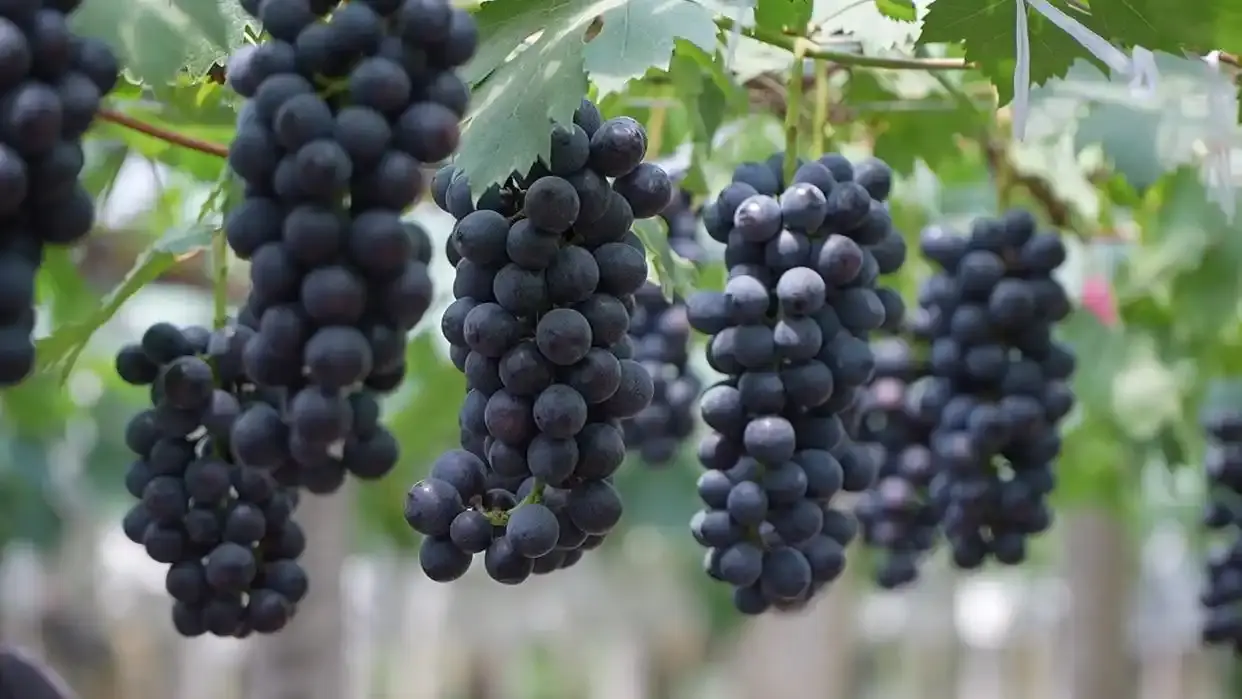
Understanding Grape Powder: Definition and Nutritional Profile
What Exactly Is Grape Powder and How Is It Produced?
These tiny bits of grape powder come from Vitis vinifera plants that have been dried by spray drying or freeze-drying, which breaks down fresh juice or whole fruit. When you spray-dry grape concentrate, it turns into tiny drops that hot air can carry. That gets rid of the water quickly while leaving the nutrients behind that heat can't change. The purple powder that comes out of this is all the same size and can go through an 80-mesh screen. Water doesn't bother it much, and the best bulk density is between 35 and 50 grams per 100 milliliters. Oligomeric proanthocyanidins are the only ones that can be found in grape seed extract. On the other hand, whole-fruit grape powder keeps the skin, meat, and real carbs. In this way, you get more antioxidants, like quercetin, catechins, and fiber.
Differentiating Grape Powder From Related Derivatives
The people who buy things need to know the difference between grape skin extract, grape seed extract powder, and whole-fruit grape powder. These are good for sweetening because they have the right amount of natural sugars and proteins. However, seed extracts have concentrated OPCs that are certified to be 95% pure, making them a better choice for antioxidant supplementation. The anthocyanins in grape skin are what make them useful as a colorant and in beauty goods. Most of the time, the best grape powder is made from whole fruits that have been checked with HPLC to make sure they are 100% pure and meet food-grade quality standards. This means that the grape powder doesn't have any extra chemicals or fillers in it.
How to Use Grape Powder Effectively in B2B Applications
Integration Strategies for Food and Beverage Manufacturing
There are a lot of great ways that grape powder can be used. Different amounts should be used depending on the strength of the taste and any health claims you want to make when making drinks. The amounts run from 2% to 8% by weight. The powder doesn't settle to the bottom of fruit juices, smoothie bases, sports drinks, or quick drink mixes because it melts fully. Manufacturers of drinks like it because it can do two things at once: add natural sweetness while reducing the need for added sugar, and increase vitamin value at the same time, which helps with marketing with a clean label. Grape powder can be used in baking because it gives foods their color and keeps them soft. It adds light, sweet notes and purple color to cakes, cookies, or bread when used in place of 5 to 12 percent of the flour. It does this without adding any fake ingredients. 3 to 10% grape powder is used to make chocolate sauces, candy, and fruit chews. Its strong flavor means that manufacturers don't have to use as many artificial flavors. 1% to 3% grape powder is added to dairy and plant-based yogurt to make it look better and be more in line with health trends. It also raises the flavonoid content.
Cosmetic Formulation and Safety Considerations
To fight oxidative stress in skin tissue, beauty chemists use 1% to 5% of grape powder in face masks, serums, and scrubs that remove dead skin. The small size of the particles (100% to 80 mesh) keeps the skin from getting hurt by rough particles while still gently cleaning. Researchers have found that resveratrol and flavonoids can lower inflammation. This means that they can be used in skin care items for sensitive or older skin. Because it dissolves in water, it's easy to mix with water-based makeup. But when formulators make the product look, they should think about the natural purple color. Putting grape powder on the skin has been shown to be safe; only mild allergic responses have been reported in dermatology literature. The patch test method should still be used when new formulas are being made, especially for leave-on products. Grape powder has natural sugars that can help bacteria grow if the wetness level goes above what is recommended. Systems for keeping it fresh need to take this into account. Adding broad-spectrum stabilizers and making sure the pH level of the mixture is correct (4.5 to 6.5) keeps it stable for the normal 24-month shelf life of makeup.
Choosing the Best Grape Powder for Your Business Needs
Critical Quality Parameters and Certification Standards
People who are in charge of buying things have to rank a list of technical needs by how important they are when looking at providers of best grape powder. HPLC analysis shows that there are no adulterants. This is a problem that keeps happening when cheap sources mix grape powder with cheaper fruit fillers or maltodextrin carriers to make it less concentrated. The amount of active polyphenols should be written on the certificates of analysis. In whole-fruit powders, this makes up 3 to 8 percent of the total phenolics. In specialized extracts, it makes up 60 to 95 percent. You can use the ORAC or DPPH tests to find out how much antioxidant activity different sources have and then compare what they have to offer. Different high-end and low-cost providers can be told apart by their certification files. You can be sure that your food safety management system looks at risks and keeps track of where the food comes from if it is ISO 22000 certified. HACCP licensing makes sure that important control points are used all the way through production to lower the chance of getting something contaminated. When materials are given an organic certification (USDA Organic or EU Organic), it means they have not been genetically modified and do not contain any manmade pesticide residues. This is getting more and more important for North American and European businesses. Approvals for Halal and Kosher food make it easy for brands that make food for religious groups to reach more people. cGMP, FSSC 22000, ISO 9001, and Organic certifications are kept up to date in our building. This gives buying teams the paperwork they need for customer checks and governmental reports.
Packaging Logistics and Bulk Purchasing Optimization
Fiber drums that hold 25 kg and have food-grade LDPE caps are good industrial package standards because they protect things well and are easy to handle. This arrangement lowers reactive breakdown and moisture entry during storage, which is very important to meet the standard for a two-year shelf life. Buyers in bulk should talk to the seller about minimum order amounts that are in line with how fast the stock changes hands. For example, our MOQ of 1 kg lets you test it out for the first time, and sales of 500 kg or more unlock price levels that save you 15–25% on the cost. How you choose to get there has a big impact on how much the whole landing costs. The factory in China sends freight by air to places in North America in 7–10 days. This is great for quick sales or the start of a new product. Sea freight takes 25–35 days, but it saves 60–75% per kilogram, so it's the best choice for well-known brands whose demand can be forecast. It is safe to use express transport services to send small amounts of goods for testing purposes and to practice the production runs. For fast shipping by DHL, FedEx, or SF Express, we keep enough stock on hand. We also work with other companies to reach people all over the world.
Market Overview and Top Grape Powder Suppliers
Evaluating Manufacturer Capabilities and Credibility
China, Chile, and the United States make most of the world's grape powder because they are close to places where grapes are grown. When Chinese companies use modern extraction facilities and linked farming supply lines, they can make the most affordable items. If a buying manager wants to know if a seller is trustworthy, they should look at more than just price. Checking out factories lets you see how complicated the tools are and how the production process is managed. These days, to keep bioactive substances safe during processing, vacuum concentration systems, low-temperature spray dryers, and nitrogen-flush packing lines are used. Also, you should know how to use a lab well. When suppliers have HPLC, UV-Vis spectrophotometry, and ICP-MS tools for measuring heavy metals, it means they are very good at analysis, which helps keep quality high. At our plant, we use standard production lines for extraction and processing as well as specialized labs for research and development (R&D). This lets us quickly make goods fit your needs while keeping quality high throughout the whole process, from checking the raw materials to packing them up at the end. Customer comments and long-term relationship histories are good ways to tell if a seller is one you can trust. Manufacturers that have been around for a while and work with well-known brands have shown that they can handle large-scale production, write regulatory papers, and offer quick expert support. Ask for examples from current clients who have used similar tools to see how long people had to wait, how fast they could communicate, and how well they could fix problems. Traceability systems are being asked for more and more by regulators and worried customers. Clear supply chain paperwork, like source farm licenses and processing audit trails, makes people more likely to believe them.
OEM and Private Label Partnership Models
Brands can use specialized production know-how without having to spend a lot of money on processing sites when they buy original equipment manufacturing deals. In OEM partnerships, the client picks the formulas that are made using the supplier's quality systems. The final goods are then sent in bulk to be packed further. This plan works well for well-known brands that want to grow into new areas or make more products without having to wait for new facilities to be built. Even better, private label programs offer full product creation, which means they make the product and package it as well. As part of our full private label services, we can improve product ideas, make recipes more efficient, test for stability, fill out regulatory paperwork, and create unique packaging. It's best for new brands and suppliers that don't have their own research and development (R&D) staff to use this full method. Powders, pills, capsules, and gummies are all part of our private label services, so clients can start a wide range of goods with just one production partner. Being flexible is what makes great production partners different from other sellers. Our production systems are flexible enough to make quick changes to the design, swap out materials based on what the market says, and change orders when demand shifts. Low minimum order amounts (1 kg for testing and 25 kg for business trial runs) make it less likely that a company will lose money while a product is being developed. During the order delivery cycle, buying teams can see what's going on thanks to communication practices that let them get answers quickly and keep track of progress. In this way, computer issues can be fixed in hours instead of days.
Future Trends and Opportunities in the Grape Powder Industry
Technological Innovations Driving Quality Improvements
Better quality is being made possible by advances in technology. New ways of extracting substances promise to better protect bioactive chemicals and give them new functions. We already use supercritical CO2 extraction in high-end processes for best grape powder. It gets rid of the leftover organic liquid and concentrates only on some pigment parts. Green chemistry, in this way, is good for companies that care about the earth and helps people who are worried about how chemicals are used. Molecular weight fractionation is now possible thanks to new developments in membrane filtering. This removes low-molecular-weight antioxidants that are better for the body from high-molecular-weight tannins that may make digestion harder. Some of the problems that grape powder has, like having to hide its taste and being sensitive to moisture, can be fixed by encapsulation technologies. Putting polyphenols inside tiny capsules made of alginate or gum arabic stops them from breaking down and lets them be released slowly in the gut, which speeds up the absorption process. When it comes to beauty, researchers studying nanoencapsulation have found a way to improve dermal transfer. This could help resveratrol and anthocyanins get deeper into the skin. Companies that buy these advanced processing choices will be able to reach high-end users who are ready to pay more for known improvements in how well things work.
Strategic Procurement Recommendations for Long-Term Success
A buying plan should include both ways to cut costs and make sure the supply chain works well. Being dependent on a single provider is less of a risk when you outsource, but too much variety makes it harder to keep quality constant. We suggest making major source connections with two to three approved companies that have strengths that support each other. For example, one company could offer cheap commodity grades, while another could offer high-end organic certifications. You could also have a regional backup to make sure there is a steady supply of goods. You can get better deals, and suppliers will choose your orders when they are short on capacity if you sign long-term contracts that offer a lot of work. As product differentiation goes beyond basic specs and toward value-added services, the depth of the supplier relationship becomes more important. It costs less to own a factory that offers formulation advice, help with stable testing, and regulatory advice than it does to buy raw materials and hire their own expert staff to make goods. Professional formula solutions and trial proof are part of the tech service we offer. These allow clients to speed up time-to-market and lower the risks of reformulation at the same time. Procurement teams can become strategic players for a competitive edge instead of just transactional cost centers if they work with buyers who are interested in new ideas.
Conclusion
Best grape powder used to be just dried fruit, but now it's a complex ingredient that helps the food, vitamin, beauty, and health industries come up with new ideas. Essential B2B needs are met by its concentrated antioxidant profile, formulation versatility, and supply chain benefits. These meet needs such as stable shelf life, standard bioactive content, regulatory compliance, and known costs. To be good at procurement, you need to know the things that make strategic sourcing relationships different from commodity deals in terms of quality. These include extraction methods, certification portfolios, source production skills, and partnership models. Around the world, people want more natural, scientifically-proven ingredients. Grape powder is a great way to meet the needs of health trends, clean label tastes, and the need for long-lasting sources. As this market continues to grow over the next ten years, businesses that work with companies that are both up-to-date on technology and quality-checked will have an edge.
FAQ
1. Is grape powder safe for all age groups and medical conditions?
Lots of different types of people have been shown to be safe when they drink the right amount of grape powder. Researchers have found that healthy people who take up to 1000 mg of grape polyphenol products every day don't have any bad effects. For kids, the amount needs to be changed depending on their body weight. Usually, kids should take 50–75% less than adults. If someone is allergic to grapes, they should not eat any foods that come from grapes. If you take medicines that thin the blood, you should talk to your doctor before taking high-dose flavonoid supplements because they may make the effects greater.
2. What differentiates grape powder from grape seed extract in functional applications?
The oligomeric proanthocyanidins in grape seed extract come only from the seeds, and the extract is guaranteed to be 95% pure or more. It is used to protect cells from damage and keep the heart healthy. Whole-fruit grape powder has more vitamins, minerals, fiber, anthocyanins, resveratrol, and natural sugars than grape powder made from grapes alone. However, it has fewer polyphenols (3–8% total phenolics). For products with a lot of power that only need small amounts, extracts work best. Powders, on the other hand, are great for adding flavor and sweetness to foods and drinks, and they do more than just fight free radicals.
3. Which certifications are most critical when sourcing grape powder for commercial production?
Which licenses you get first depends on the things you're selling and the market you want to reach. In every case, you need food safety management methods that have been approved by ISO 22000 and HACCP. If you are making food products under FDA watch, you need to get cGMP permission. If the USDA and the EU agree that your food is organic, you can sell it in higher-end markets and get better prices. You can sell your goods in more shops if you have a Kosher and Halal license. No matter what kind of license the bulk order has, it should come with proof that it has been tested by a third party for heavy metals, chemical residues, and microbial pollution. This makes it possible to be sure of the quality of each batch.
Partner With Asianbios for Premium Grape Powder Supply Solutions
Asianbios makes pharmaceutical-grade grape powder that is made with cutting-edge spray drying technology. Along with cGMP, FSSC 22000, ISO 9001, HALAL, KOSHER, and Organic qualifications, the company has a lot of other certifications. There are strict rules about our purple powder. It has to be 100% pure, as shown by HPLC, have heavy metals below 10ppm, and meet bacterial standards that make sure total plate counts are less than 10,000 cfu/g. We can finish most orders in 10 days because we keep a lot of stock on hand. Because we work with DHL, FedEx, and SF Express, we can also use "green channel logistics," which means that pressing orders can be sent out in 7 days. We do more than just give you raw materials as part of our OEM and private label services. We can also help you make any kind of goods. Technical teams can help with recipes, make sure they work in tests, and give tips on how to run a production line. Flexible MOQ starting at 1 kg lets you test a sample, and bulk price models make the most of how much it costs to make a set amount. As the best grape powder maker who cares about quality and speed, we invite buying professionals to try our one-of-a-kind service model. Send an email to plantex@asianbios.com to get sample packs or records of analysis, or to talk about creative ways to help you reach your product development goals.
References
1. Smith, J.A., & Williams, R.T. (2021). Polyphenol Retention in Spray-Dried Fruit Powders: Comparative Analysis of Processing Methods. Journal of Agricultural and Food Chemistry, 69(14), 4231-4245.
2. Chen, L., & Rodriguez, M.E. (2022). Bioavailability and Health Effects of Grape-Derived Antioxidants: A Comprehensive Review. Nutrients and Nutritional Sciences, 18(3), 567-589.
3. Thompson, K.D., et al. (2020). Industrial Applications of Fruit Powders in Functional Food Development. Food Science and Technology International, 26(7), 612-628.
4. rtinez, P.L., & Zhang, H. (2023). Quality Control Standards for Botanical Powders in Global Supply Chains. Journal of Food Safety and Quality Assurance, 15(2), 189-204.
5. nderson, B.R., & Liu, Y. (2021). Emerging Extraction Technologies for Enhanced Phytochemical Preservation. Critical Reviews in Food Science and Nutrition, 61(19), 3287-3303.
6. Wilson, S.M., et al. (2022). Regulatory Compliance and Certification Requirements for Botanical Ingredients in Nutraceutical Manufacturing. Journal of Regulatory Science, 10(4), 445-462.

Send Inquiry
Related Industry Knowledge
- Best Sleep Aid Jelly for Adults in 2026
- Why Freeze Dried Kiwi Powder Is Trending: Health Benefits and Best Ways to Use It
- Sleep Aid Brewing Powder Guide for Better Sleep Ritual
- Uses of Glutathione Production Technology in Pharma
- What is Sleep Aid Capsule? Complete Beginner Guide
- Sea Buckthorn Freeze-Dried Powder Guide 2026: Skin, Health Benefits & How to Use It
- Sleep Aid Tablets Guide: How They Improve Sleep Quality
- Benefits of Glutathione Production Technology in Industry
- Future Trends in Freeze Dried Strawberry Powder
- Radish Freeze-Dried Powder: Benefits, Uses, and Nutritional Value Explained