anti-inflammatory peptides powder: A Gentle Peptide for Sensitive Skin Care
For millions of individuals out there, care for sensitive skin is not a small nuisance -- it is a daily exercise in prudence. The improper cleanser, a sudden shift in the weather, post-laser recuperation, or simply a stressful week at work may start a cascade of discomfort: tightness, stinging, redness, and a fragile skin barrier that appears to disintegrate quicker than it can restore itself.Sensitive skin is identified by discomfort when exposed to environmental factors – and the cosmetic industry has long been aware that this segment of the population requires a different category of active ingredient: one that soothes, not stimulates, repairs, not resurfaces, and strengthens the skin’s defences, not pushes its limits. anti-inflammatory peptides powder has been created specifically to fulfilll this demand. Anti-inflammatory peptides powder is a mild, calming cosmetic peptide designed for reactive and sensitive skin. It offers an effective solution to the various problems of sensitive skin, such as inflammatory redness, barrier dysfunction, tension-induced fine lines, and chronic skin discomfort, through a mechanism-driven approach that is well-supported by modern dermatological science. Why is Anti-inflammatory peptides powder so special for sensitive skin? What are its key mechanisms of action? What do clinical studies say about soothing peptides? How can cosmetic firms launch it with guaranteed quality and assured supply via Asianbios?
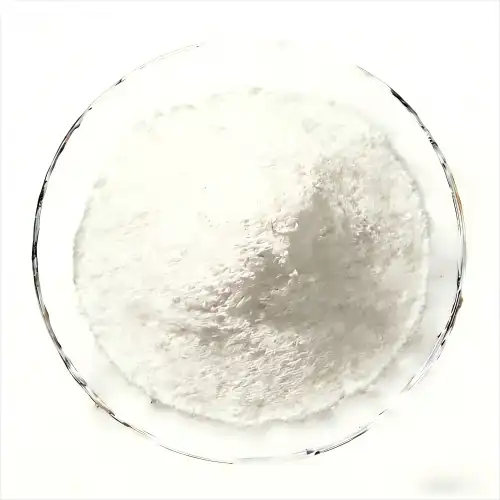

Understanding Sensitive Skin: Why It Reacts and What It Actually Needs
Before introducing what anti-inflammatory peptides powder does, it is important to understand the biological reality of sensitive skin — because the condition is more complex than most consumers (or even many formulators) appreciate.
The Neurogenic Inflammation Root Cause
Palmitoyl Tripeptide-8 belongs to a growing class of neurocosmetic peptides that target the skin-nerve axis. The rationale is that the neurogenic inflammation caused by overactive C-fiber sensory neurones, rather than classical immune-mediated inflammation, accounts for much of what patients describe as “sensitive skin”. This difference is the reason why anti-inflammatory peptides powder is different in formulation from traditional anti-inflammatory cosmetics. The classical inflammatory part is the release of cytokines from immune cells when it detects damage or pathogens. Neurogenic inflammation, however, is started by the neurological system, with overstimulated sensory neurones releasing neuropeptides such Substance P and CGRP straight into skin tissue.Substance P is a neuropeptide secreted by neurones and inflammatory cells during the inflammation . It acts via specific receptors and increases the vascular permeability resulting in local redness ( erythema ) and swelling ( oedema ). Anti-inflammatory peptides powder is distinctly formulated to disrupt this neurogenic cascade at its neurological origin – delivering a comfort level much above what topical soothing compounds may provide.
Barrier Compromise: The Physical Dimension of Skin Sensitivity
Some research have proposed that sensitive skin is due to a compromised barrier function that exposes the immune system cells and sensitive nerves, leading to prominent cutaneous reactions in the face of apparently innocuous stimuli.Transepidermal water loss (TEWL) is defined as the amount of water that naturally evaporates from the skin to the surrounding atmosphere. Even healthy skin loses some water, but this loss is significantly increased when the skin barrier is compromised, resulting in dryness, tightness and irritation – common symptoms of sensitive skin. These 2 disorders have a detrimental cycle of reinforcing each other for sensitive skin sufferers. Neurogenic inflammation may damage the barrier, and the impaired barrier can expose nerve endings to other irritants, which can induce more neurogenic inflammation. Anti-inflammatory peptides powder interrupts this cycle by working on both the neurological and structural at the same time, soothing the hyperactive nerves and helping to restore the physical barrier that shields them.
Environmental and Lifestyle Triggers in the Modern Age
In recent years, the incidence of sensitive skin has grown considerably due to environmental changes, work-related stress and other multifactorial impacts. Sensitive skin is defined as a hyperreactive state of the skin occurring under physiological or pathological situations and is mostly located on the face. This increasing incidence is not only a question of improved awareness – it reflects significant changes in environmental stressors, indoor air quality, eating trends and skin care practices. The rising popularity of active ingredient serums, professional aesthetic treatments, and rigorous exfoliation regimes has generated a huge and increasing community of consumers with damaged skin barriers needing recovery assistance. Anti-inflammatory peptides powder is well suited to addressing this group of people: mild enough for daily use on reactive skin, yet substantial enough to promote real barrier repair and long term improvement in skin tolerance with regular usage.
Table 1: The Sensitive Skin Problem Matrix and How anti-inflammatory peptides powder Responds
| Sensitive Skin Challenge | Biological Root | anti-inflammatory peptides powder Response |
|---|---|---|
| Redness and erythema | Neurogenic inflammation, dilated capillaries | Anti-inflammatory signaling, cytokine suppression |
| Stinging and tightness | Overactive C-fiber sensory neurons, TRPV1 activation | Neuropeptide modulation, Substance P inhibition |
| Barrier breakdown (high TEWL) | Impaired lipid lamellar structure, ceramide deficit | Barrier protein stimulation, moisture retention support |
| Post-treatment sensitivity | Epidermis disruption, inflammatory cascade | Accelerated repair, anti-inflammatory activity |
| Tension-related fine lines | Skin dehydration, muscle tension, collagen deficit | Gentle collagen signaling, skin softening |
How anti-inflammatory peptides powder Works: The Three-Pathway Soothing Mechanism
What distinguishes a truly effective soothing peptide from a cosmetically pleasant but functionally weak ingredient is the precision of its mechanism. Anti-inflammatory peptides powder operates through three complementary biological pathways that collectively address the full scope of sensitive skin distress.
Cytokine Suppression and Inflammatory Signal Disruption
Palmitoyl Tripeptide-8 is an anti-inflammatory ingredient that acts on the melanocortin 1 receptor (MC1-R) to regulate the inflammatory responses of the skin. It blocks α-melanocyte-stimulating hormone (α-MSH) from binding to MC1-R, thereby decreasing the inflammatory cytokines and alleviating symptoms like redness and swelling. This kind of anti-inflammatory neuropeptide action is what anti-inflammatory peptides powder leverages—the capacity to stop the pro-inflammatory cytokine cascade before it escalates to apparent skin discomfort.Its mechanism reduces the adverse effects of the release of Substance P, decreases the release of inflammatory cytokines (IL-1, IL-8, TNF-α), alleviates vasodilation, prevents and reduces irritation from external stimuli, and relieves symptoms such as itching, stinging, erythema, oedema, while maintaining the normal sensitivity threshold of the skin. Anti-inflammatory peptides powder uses the normalising sensitivity threshold of the skin, rather than concealing the symptoms, to produce an environment in which the skin becomes less reactive over time with continuous application. The clinical difference between cosmetic concealment and true functional improvement is significant.
Barrier Repair and Transepidermal Water Loss Reduction
β-alanyl hydroxyproline diaminobutyric acid benzylamine, as a unique anti-aging peptide, may effectively relieve the inflammatory response of the skin, decrease skin sensitivity, and enhance the skin barrier function to improve the skin moisturising capacity. Anti-inflammatory peptides powder takes this knowledge of the relationship between barrier and inflammation into its design – knowing that it is not enough to soothe the skin if the physical barrier is still vulnerable to future irritating exposure.Peptides prevent transepidermal water loss, decrease redness and inflammatory responses and help stressed, sensitive skin.Healthy skin barrier is crucial to keeping skin hydrated and protected from irritants, but when it’s impaired it may contribute to dryness, redness and irritation. Anti-inflammatory peptides powder stimulates the structural proteins and lipid assembly processes that rebuild the stratum corneum, providing the physical scaffolding that makes the skin more and more resistant to environmental triggers — an important benefit in daily maintenance in sensitive skin care routines.
Skin Comfort and Discomfort Relief Through Neurocosmetic Activity
Peptides are utilised in the beauty industry for sensitive skin . Peptides are differentiated as active ingredient for their capacity to interact with the skin cells by many pathways, high efficacy at low dose and the ability to penetrate the stratum corneum . This capacity to penetrate is especially critical to anti-inflammatory peptides powder: to treat neurogenic inflammation at its origin, the active has to reach the dermal layer where sensory nerve terminals reside. The peptide inhibits the TRPV1 (capsaicin receptor) pathway and lowers release of pro-inflammatory neuropeptides from cutaneous sensory nerve terminals, therefore decreasing neurogenic inflammation. This 'neurocosmetic' effect – the direct calming of overactive sensory neurones at the receptor level – is what makes anti-inflammatory peptides powder effective against the stinging, burning and discomfort of neurogenic sensitive skin responses and what differentiates it from simple moisturisers or plant-based soothing extracts that work only at the surface level.
The Clinical Evidence: What Science Confirms About Soothing Peptides
The sensitive skin category has historically been served by ingredients with limited clinical evidence. The peptide-based soothing approach that underpins anti-inflammatory peptides powder, by contrast, is supported by increasingly robust scientific documentation.
Inflammation Inhibition: In Vitro and Ex Vivo Data
In vitro models demonstrated that palmitoyl tripeptide-8 was effective at significantly inhibiting IL-8 production up to 32% in keratinocytes exposed to UVB, similar to α-MSH, and in fibroblasts stimulated with IL-1, with 64% inhibition, significantly reducing the number of dilated capillaries and size of dilated vessels in skin explants exposed to Substance P, up to 30% and 51%, respectively, with a reduction in oedema of 60%. These are no small decreases – a 64% suppression of IL-8 in a stressed fibroblast culture and a 60% reduction of oedema in ex vivo skin tissue give concrete biological proof that the soothing peptide mechanism operates at the tissue level and not only at the receptor theory level.Complex peptide approach may also have a substantial calming impact for sensitive skin. Meanwhile, it increases the protective capacity of the skin barrier, making sensitive skin more resistive to ageing. This evidence basis is crucial to anti-inflammatory peptides powder, making its soothing function a mechanism-backed biological fact rather than a cosmetic promise.
Clinical Soothing and Anti-Redness Evidence in Human Subjects
In human trials, Palmitoyl Tripeptide-8 has been shown to prevent and calm SDS-induced irritation, lowering skin-temperature responses by 112% and 78% respectively when used preventively and post-treatment. Its proven activity in modulating neurogenic inflammation opens up its use for UV-, immune-, stress- and mechanically-irritated sensitive skin, offering a clinically meaningful rationale for soothing and anti-redness claims.
Complex Peptide Performance in Sensitive Skin Models
Complex peptides decreased variables related to oxidative stress and ageing of UVA-irradiated 3D whole skin models and increased collagen content. In TNF-α-stimulated 3D epidermal skin models, complex peptides inhibited inflammatory responses and enhanced barrier repair.These findings showed that complex peptides may have an anti-aging impact in model systems by enhancing the skin barrier, lowering inflammation and photo-aging, increasing the level of hyaluronic acid in the skin, and stimulating collagen formation in the dermis. This dual anti-inflammatory and collagen-supportive profile in complex 3D skin models provides a particularly strong scientific validation for multi-benefit claims for a product such as anti-inflammatory peptides powder, which is designed to address not only acutely sensitive skin, but also long-term barrier health and age-related sensitivity, spanning both immediate comfort and longer-term skin quality improvement.
Designing a calming, barrier-repairing or post-procedure skincare product for customers with sensitive skin?Asianbios anti-inflammatory peptides powder offers the mild active ingredient you require in your formulation, with confirmed quality, adjustable MOQ from 100g and rapid worldwide delivery, all scientifically proven. Our formulation professionals can assist you through the process of sampling ingredients to final product creation. Contact us directly at plantex@asianbios.com – we usually reply within hours, not days, and our staff is available to assist with technical data requests, bespoke formulation discussions and sample despatch.
Anti-inflammatory peptides powder Applications: Where This Ingredient Delivers Maximum Value
The commercial opportunity for anti-inflammatory peptides powder lies in the breadth of product categories where sensitive skin support is both needed and sought by consumers. Understanding where this ingredient creates the most product differentiation helps brands formulate with strategic clarity.
Soothing Serums and Barrier-Repair Essences
Anti-inflammatory peptides powder is a great addition to soothing serums and barrier repair essences, delivering mild anti-inflammatory, calming and barrier strengthening effects to sensitive skin. It aids skin regeneration and barrier repair when combined with ceramides and hyaluronic acid, allowing multi-claim formulations to go beyond moisturization to increased skin resilience and cellular healing.
Post-Treatment and Post-Sun Recovery Products
Anti-inflammatory peptides powder is perfect for post-procedure and post-sun recovery goods, including post-laser, after-sun, and derm-recommended care. Palmitoyl Tripeptide-8 helps to minimise neurogenic inflammation, redness, swelling and irritation. Anti-inflammatory peptides powder reduces Substance P release, suppresses cytokine responses and supports barrier healing, providing a tailored therapy for reactive, impaired skin.
Daily Gentle Moisturizers and Sensitive Skin Masks
Anti-inflammatory peptides powder is a great ingredient for everyday moisturisers, moisturising masks and overnight repair treatments for sensitive skin. It may help to minimise inflammatory factors, redness and irritation, and encourage epidermal regeneration, skin thickness, density and flexibility. It works along with Panthenol, Allantoin, Centella Asiatica Extract or Niacinamide to take care of barrier and calming effects in a thorough way.
Table 2: anti-inflammatory peptides powder — Application Formats and Target Consumer Segments
| Product Format | Consumer Target | Primary Claim |
|---|---|---|
| Soothing serum / essence | Reactive, post-treatment skin | Redness reduction, neurogenic soothing |
| Barrier-repair cream | Chronic barrier compromise, eczema-prone | TEWL reduction, structural barrier repair |
| Post-procedure recovery | Post-laser, post-peel, post-microneedling | Anti-inflammatory, accelerated healing |
| After-sun care | UV-damaged, reddened skin | Erythema reduction, barrier restoration |
| Sensitive skin mask | Daily maintenance, general sensitivity | Deep comfort, hydration, gentle repair |
| Gentle daily moisturizer | All sensitive skin types | Long-term tolerance improvement |

Sourcing anti-inflammatory peptides powder: Quality, Certification, and Supply from Asianbios
In the case of the development of a sensitive skin line around a calming peptide active, the quality system behind the component is as vital as the formulation’s effectiveness. If the target is someone with sensitive skin, someone who has previously been let down by goods that irritated rather than soothed, then every part of the supply chain needs to be beyond fault.
Certified Manufacturing and Quality Assurance
Asianbios is CGMP, FSSC22000, ISO9001, HACCP, HALAL, KOSHER and Organic certified, providing quality assistance for anti-inflammatory peptides powder in Global Markets. Every batch is tested for HPLC purity, bioactivity and microbiology and is CE/FDA/ISO compliant. The integrated quality system ensures constant performance of peptides and documentation for regulatory filings and development of products for sensitive skin.
Fermentation-Derived Technology and Gentle Ingredient Origins
Asianbios produces bioactive peptides by regulated fermentation without chemical synthesis, which contributes to purity and ingredient provenance that sensitive-skin companies appreciate. Peptides extracted from fermentation, with an appropriate molecular weight, are able to permeate the skin and exert anti-inflammatory, soothing and healing activities at the derma level, presenting benefits in comparison to bigger peptides.
Delivery Speed, MOQ, and Formulation Partnership Support
Asianbios has anti-inflammatory peptides powder available for MOQ 100g, pre-order samples, and regular shipping within 10 working days. Custom formulations: about 20 days. Green Channel orders: sent within 7 to 10 days. DHL, SF express, FedEx global logistics. Full product development with OEM/ODM, formulation consulting, lab verification.
Table 3: Asianbios anti-inflammatory peptides powder — Supply and Service Overview
| Service Category | Detail |
|---|---|
| MOQ | 100g (samples available) |
| Standard Delivery | Within 10 working days |
| Urgent Green Channel | 7–10 days minimum |
| Custom Formulations | ~20 working days |
| Logistics | DHL, SF Express, FedEx |
| OEM/ODM | Full service (serums, creams, masks, essences) |
| Certifications | CGMP, FSSC22000, ISO9001, HACCP, HALAL, KOSHER, Organic |
| Quality Standards | CE/FDA/ISO international compliance |
| Technical Support | Formulation guidance, lab verification, production line consultancy |
| Product Shelf Life | Over 1 year |
Conclusion
Anti-inflammatory peptides powder represents a genuinely differentiated approach to sensitive skin care — one that works at the biological root of skin reactivity rather than simply masking its symptoms. By calming neurogenic inflammation at its neurological source, reinforcing the skin barrier against future irritant exposure, and supporting the gentle regeneration of epidermal structure, anti-inflammatory peptides powder delivers a triple-mechanism benefit profile uniquely suited to the complex, multi-factorial reality of sensitive skin. Backed by a strong scientific evidence base for soothing peptide technology and sourced through Asianbios's certified, fermentation-engineered manufacturing platform, it offers cosmetic brands a credible, versatile, and commercially compelling foundation for their sensitive skin product lines.
FAQ
Q1: What types of sensitive skin concerns does anti-inflammatory peptides powder specifically address, and how quickly do results appear?
A: Anti-inflammatory peptides powder is formulated to address the full spectrum of sensitive skin challenges, including facial redness and erythema, stinging and burning discomfort, skin tightness, barrier-related dryness, post-UV reactivity, and tension-induced fine lines. Its neurogenic anti-inflammatory mechanism — suppressing Substance P, IL-1, IL-8, and TNF-α release — works from the first application, with clinical data on related soothing peptides showing immediate temperature normalization in irritation challenge studies. Barrier repair effects deepen with consistent daily use over 4 to 8 weeks, progressively raising the skin's overall tolerance threshold. Anti-inflammatory peptides powder is suitable for both acute soothing needs and long-term daily sensitive skin maintenance.
Q2: Is anti-inflammatory peptides powder safe for use on post-procedure skin, post-laser recovery, and chronically reactive complexions?
A: Yes. Anti-inflammatory peptides powder is specifically designed for the most reactive and vulnerable skin conditions, including post-procedure recovery following laser resurfacing, chemical peels, and microneedling. Its mechanism — modulating neurogenic inflammation at the TRPV1 receptor and inhibiting pro-inflammatory cytokine release — is particularly beneficial during the acute post-treatment window when neurogenic reactivity is highest. The ingredient is formulated without harsh chemical solvents or sensitizing additives, and its soothing peptide class has been confirmed as well-tolerated in clinical trials involving hypersensitive skin types. Asianbios produces anti-inflammatory peptides powder under CGMP certification with full microbiological safety verification, ensuring product integrity for the most demanding sensitive skin applications.
Q3: How can anti-inflammatory peptides powder be incorporated into finished cosmetic products, and what co-ingredients pair best with it?
A: Anti-inflammatory peptides powder is suitable for incorporation into a wide range of cosmetic formats including soothing essences, barrier-repair serums, gentle daily moisturizers, hydrogel sheet masks, after-sun recovery products, and post-procedure recovery creams. It works synergistically with Panthenol and Allantoin for comprehensive comfort relief, Centella Asiatica extract for enhanced anti-inflammatory activity, Niacinamide for combined barrier strengthening and redness reduction, and Hyaluronic Acid and Glycerin for hydration support. Asianbios offers OEM/ODM production services across all these formats, with formulation specialists available to help design complete, multi-active sensitive skin product systems that maximize the anti-inflammatory peptides powder benefit profile.
Choose Asianbios anti-inflammatory peptides powder for Your Next Sensitive Skin Collection
Sensitive skin consumers are loyal to brands that truly understand their skin — and that loyalty begins with ingredients that genuinely perform. Asianbios anti-inflammatory peptides powder gives your formulation team the gentle-yet-effective soothing peptide active needed to build credible, clinically grounded sensitive skin products across serums, creams, masks, and post-procedure recovery formats. With certified quality, low MOQ from 100g, rapid global delivery, and full OEM/ODM support, getting started is straightforward. Email our team today at plantex@asianbios.com — samples, technical data sheets, and formulation consultation are available immediately, with responses within hours of your first message. Let your next product be one that sensitive skin finally trusts.
References
1. Resende, D. I. S. P., Ferreira, M. S., Sousa-Lobo, J. M., & Almeida, I. F. (2021). Usage of synthetic peptides in cosmetics for sensitive skin. Pharmaceuticals, 14(8), 702.
2. Luo, L., Lu, Y., Zhang, J., Feng, Y., & Chen, W. (2026). The anti-aging effect and mechanism of a compound peptide on sensitive skin. Bioorganic & Medicinal Chemistry, 120, 117891.
3. Lintner, K., Mas-Chamberlin, C., Mondon, P., Peschard, O., & Lamy, L. (2009). Cosmeceuticals and active ingredients. Clinics in Dermatology, 27(5), 461–468.
4. Choi, C. M., & Berson, D. S. (2006). Cosmeceuticals. Seminars in Cutaneous Medicine and Surgery, 25(3), 163–168.
5. Engebretsen, K. A., Johansen, J. D., Kezic, S., Linneberg, A., & Thyssen, J. P. (2016). The effect of environmental humidity and temperature on skin barrier function and dermatitis. Journal of the European Academy of Dermatology and Venereology, 30(2), 223–249.
6. Meckfessel, M. H., & Brandt, S. (2014). The structure, function, and importance of ceramides in skin and their use as therapeutic agents in skin-care products. Journal of the American Academy of Dermatology, 71(1), 177–184.
About the Author

Asianbios
Our purpose is to forge a legacy of stewardship, advancing initiatives that honor and preserve the ecological integrity of our planet.

Send Inquiry
Related Industry Knowledge
- Multi-effect eye peptide powder for Dark Circles: What Does the Science Say?
- What is liquorice extract and what are its benefits?
- What Temperature Should a Low-Temperature Evaporator Maintain?
- Disc Centrifuge Machine Applications in Food and Beverage
- Production Technology of Amylase: A Game-Changer in Industrial Processes
- How Does Lip Plumping Peptide Improve Lip Volume Naturally?
- Sea Buckthorn Freeze-Dried Powder: Benefits, Uses, and Nutritional Value Explained
- Is Ergothioneine a Key Player in Promoting Skin Health and Radiance?
- How Tryptophan Production Technology Improves Yield
- Uses of Threonine Production Technology in Agriculture