How to use hyaluronic acid powder for skin hydration
To use hyaluronic acid powder bulk properly, you must first understand how well it holds moisture. This ingredient can hold up to 1,000 times its weight in water, which makes it essential for formulators who want to make high-performance skincare products. More and more, manufacturers, wholesalers, and OEM partners prefer bulk sodium hyaluronate powder because it is cheaper, easier to mix, and lasts longer on the shelf than liquid options. This detailed guide explains how to use the software, how to judge its quality, and how to make smart purchases. It's meant for business-to-business buyers who want reliable results and a reliable supply chain. Mastering hyaluronic acid powder bulk integration will help your beauty vitamins, anti-aging serums, and other products go to the next level. This is because the market is growing and needs more clinically proven hydration solutions.
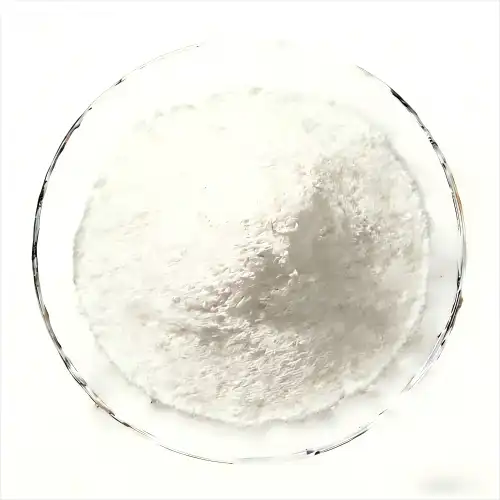
Understanding Hyaluronic Acid Powder and Its Role in Skin Hydration
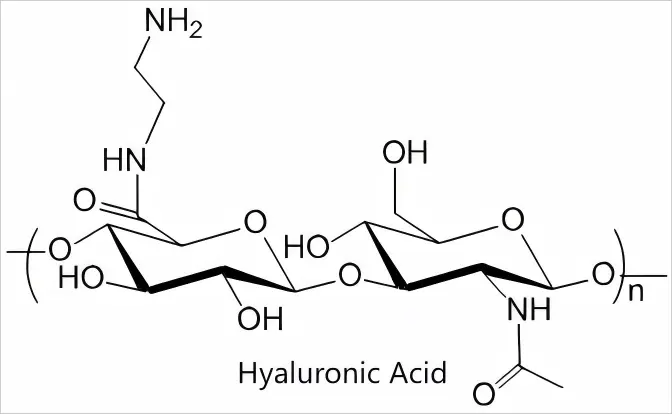
Hyaluronic acid powder is a revolutionary ingredient for skincare companies that want to keep skin hydrated and improve its flexibility. This naturally occurring glycosaminoglycan is a linear polysaccharide made up of repeated disaccharide units. It gives you unmatched control over your formulations when you get it as a bulk powder through advanced microbial fermentation technology. Unlike serums or liquid concentrates that have already been dissolved, the dehydrated powder form has a much longer shelf life—usually more than two years if kept properly—and higher purity levels, often meeting the 98% HPLC standard for cosmetic-grade materials.
Molecular Weight Variations and Skin Penetration
Manufacturers who want to target specific skin benefits need to know how molecular weight is distributed. Hyaluronic acid with a molecular weight of more than 1,000 kDa forms a protected film on the skin's surface that seals in moisture and gives the skin an instant plumping effect that can be seen within hours of application. Medium molecular weight types, running from 50 to 1,000 kDa, support the dermal matrix and improve skin smoothness and fine lines over time. Low molecular weight forms (less than 50 kDa) can easily get through the stratum corneum and start cell signalling pathways that speed up tissue repair and increase collagen production. Because molecules are different, formulators can mix different types of hyaluronic acid powder bulk to make effects that work together to help with both short-term moisturizing needs and long-term anti-aging goals.
Why Powder Form Outperforms Liquid Solutions
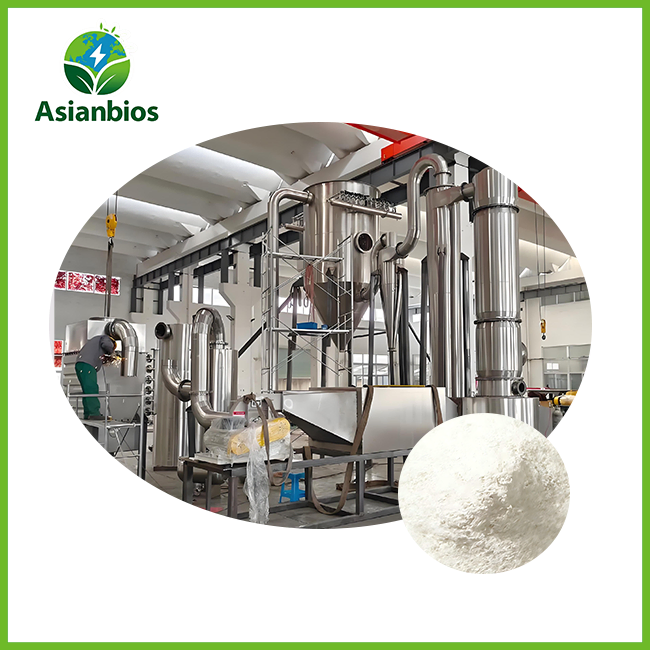
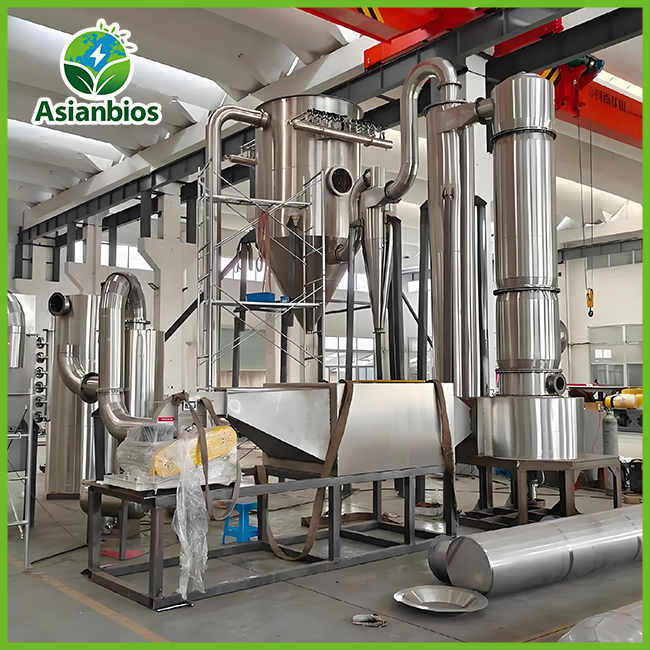
Bulk powder has benefits for manufacturing that have a direct effect on how well products are made and how well they work. The concentrated format gets rid of the water content, which makes shipping weight about 85% lighter than liquid versions. This saves foreign buyers a lot of money on handling costs. Powder stability gets rid of the need for protection systems that are needed in liquid products. This means that clean-beauty brands can start with raw materials that don't contain any preservatives. Reputable makers use a spray-drying method that ensures the particles are all the same size, usually passing through 80 mesh 100% of the time. This makes sure that the particles dissolve evenly and don't stick together when the mixture is reconstituted. This level of accuracy in manufacturing is necessary for automatic production lines where stability from batch to batch is what makes the product reliable and the customer happy.
How to Use Hyaluronic Acid Powder for Optimal Skin Hydration
If hyaluronic acid powder bulk works as well as it can at moisturizing finished products, it depends on how it is prepared and used. Manufacturers must follow set procedures to make sure that ingredients stay stable, are evenly distributed, and have the highest effectiveness across all product types.
Step-by-Step Reconstitution Protocol
Use pure or deionized water at 20–25°C when preparing hyaluronic acid powder bulk, since excessive heat can reduce viscosity. Typical concentrations range from 0.1% to 2.0%, with facial serums commonly using 0.5–1.0%. Add the powder slowly into water while stirring gently at low to medium speed to avoid damaging molecular chains. Mix for 30–60 minutes, then allow the solution to rest for about two hours for full hydration and bubble removal. pH adjustment is also essential. Hyaluronic acid performs best between pH 5.5 and 7.5, matching the skin’s natural range. Small amounts of sodium hydroxide or citric acid can help maintain stability, viscosity, and hydration performance.
Customizing Application Methods by Skin Type
Customized dosage amounts and molecular weight choices work best for different skin conditions. Formulations that mix high molecular weight powder at a concentration of 1.5 to 2.0% with occlusive agents like squalane or plant oils are good for dry and old skin because they create a moisture-lock system that stops transepidermal water loss all day. For oily and acne-prone skin, lighter formulas with 0.5 to 1.0% concentration and medium to low molecular weight types are needed. These moisturize without making the skin more oily or clogging pores. Ultra-pure hyaluronic acid powder bulk works well on sensitive skin at safe levels of 0.3% to 0.5%. This keeps the skin from getting irritated from too much chemical loading while still improving hydration levels.
Storage and Handling Best Practices
Your investment in premium hyaluronic acid powder bulk is safe as long as the quality of the raw materials is maintained throughout the supply chain. Because this ingredient is very hygroscopic, it clumps and loses quality when it comes in contact with water. Keep unused packages in cool, dry places that stay below 25°C and have a relative humidity of less than 60%. Once opened, move any leftover parts to airtight containers with desiccant packets to keep them from coming into contact with air, which speeds up oxidation. To make sure things stay in the best quality range, use first-in, first-out inventory movement. Cosmetic-grade powder that is kept properly will keep its full potency for 24 months from the date it was made, but we suggest quality verification tests for materials that are getting close to this date before they are added to high-value product batches.
Comparing Hyaluronic Acid Powder Bulk with Other Forms and Grades
Making smart choices about the types and sizes of raw materials has a direct effect on how well the product works, how efficiently it is made, and where it stands in the market. When bulk buyers understand these differences, they can make sure that the material specs match the image of the brand and what customers expect.
Powder Versus Liquid: A Cost-Benefit Analysis
Hyaluronic acid powder bulk clearly outperforms liquid concentrates in a number of important business measures when compared to other buying choices. When compared to liquid solutions, powder forms are 30–45% cheaper per kilogram because makers don't have to pay to process, store, and ship water content. The shelf life is much longer. Powders stay fully active for two years at room temperature, but liquids usually need to be kept cold and lose their effectiveness within 12 to 18 months. With powder forms, manufacturing is much more flexible because in-house formulators can make changes to concentration levels, molecular weight blends, and viscosity profiles that are specific to each product line instead of having to follow set liquid specs.
Liquid solutions are easier to use for small-batch production or fast development because they don't need to be hydrated first, which saves time. But this ease of use comes at the cost of recipe control and the addition of protection systems that go against the idea of clean beauty. The spray-dried powder method keeps the molecular structure better than some liquid processing methods. This makes sure that the rheological qualities stay the same, which is important for formulators who need to know how the product will work.
Cosmetic-Grade Standards and Regulatory Compliance
Choosing the right hyaluronic acid powder bulk depends on its intended use and market regulations. Cosmetic-grade material must meet strict limits for heavy metals and microbiological contamination while complying with cGMP and food safety certifications used in major markets. Pharmaceutical-grade powder for fillers and injections requires ultra-low endotoxin levels and full biocompatibility documentation, making it more expensive. Nutraceutical-grade powder used in supplements follows standards such as non-GMO and allergen-free certification. Many manufacturers keep separate production lines for cosmetic, pharmaceutical, and nutraceutical grades to prevent contamination and ensure consistent regulatory compliance.
Molecular Weight Selection Strategy
Molecular weight selection directly affects product texture, performance, and customer perception. Ultra-high molecular weight hyaluronic acid powder bulk above 1.5 million Da creates rich, gel-like textures with strong surface hydration, making products feel more premium. Many advanced formulations combine high and low molecular weight materials to deliver both immediate visual effects and deeper skin benefits, improving customer satisfaction and repeat purchases. Oligohyaluronic acid below 10 kDa offers enhanced cellular activity and wound-healing support, though its lower viscosity often requires extra stabilizing ingredients. When sourcing hyaluronic acid powder bulk, detailed molecular weight distribution testing is more reliable than average molecular weight figures for matching formulation goals.
How to Evaluate and Choose Reliable Hyaluronic Acid Powder Bulk Suppliers
The choice of supplier is one of the most important decisions that affects the quality of the product, compliance with regulations, and the long-term success of the business. A systematic review based on a number of factors protects the image of your brand and makes sure that materials are always available.
Essential Certification and Quality Control Standards
Reliable providers keep a full range of certifications that show they are committed to safety and quality. ISO 9001 certification checks that structured quality management processes are in place from the time that raw materials are sourced until the end product is released. Certifications like HACCP and FSSC22000 show that food safety management systems are being used. This is especially important for suppliers who work with nutritional uses. Halal and Kosher approvals help brands that are trying to reach certain groups of customers get into more markets. Organic approval, which can be hard to get for items that come from fermentation, shows that the product is of high quality and that the production process is clean.
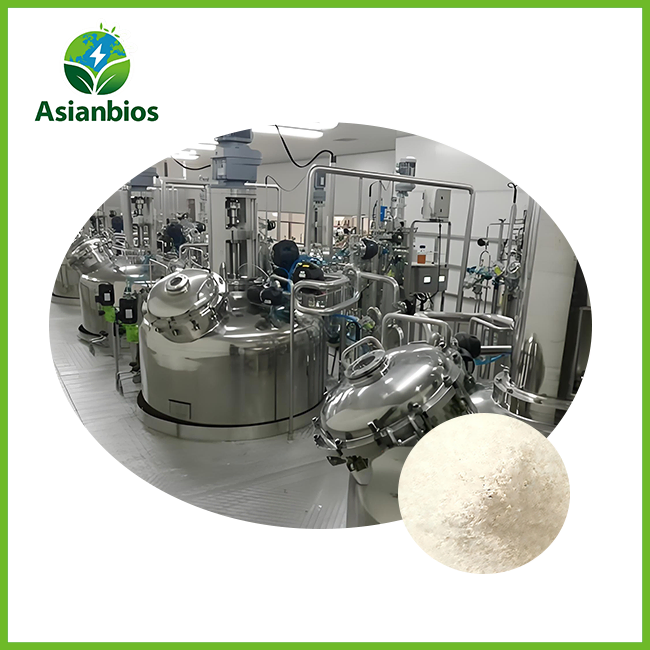
If you want to know more about quality control than just certifications, you can do site audits or a thorough study of quality paperwork. Some of the biggest companies in the world, like Asianbios, have their own labs where they test their products for bacteria and purity. These labs have HPLC systems for testing purity, gel permeation chromatography for testing molecular weight, rheometers for testing stickiness, and more. Ask for certificates of analysis for the most recent production runs and look at how consistent different lots are to find any differences that might affect your formulas. When suppliers show narrow specification ranges with low standard deviations, it means they have better process control and a lower chance of having to make changes to the formula from batch to batch.
Production Capacity and Customization Flexibility
Check with possible sellers to see if they can grow with your business and meet your specific needs. Keeping an eye on your inventory is very important. Suppliers who keep a lot of standard items in stock, like the 25 kg barrel packaging that is frequently used in business production, can turn around regular orders quickly, usually within 7–10 days. This level of inventory is very important when a new product comes out or when seasonal demand goes up, and delays in development cost market opportunities.
OEM and ODM features let brand owners who don't have their own factories make their own formulas and unique packaging. Suppliers who offer these services should be able to show that they know how to formulate different types of products, such as serums, creams, pills, capsules, and sweets. Having a low minimum order quantity, ideally starting at 1 kg for initial testing and samples, lowers the financial risk during the product creation stages. Formulators can do compatibility tests, stability studies, and study on how customers feel about a product before committing to full-scale sales with companies that offer samples.
Logistics Infrastructure and International Trade Competence
Global supply chains need providers who are very good at transportation and know a lot about the rules for international trade. Check out the different shipping choices that are available. Full-service providers offer express delivery for quick small orders, air freight for time-sensitive bigger packages, and sea freight for cheap bulk container orders. Working with well-known shipping companies like DHL, FedEx, and SF Express shows that the shipping system is solid.
Check to see if the seller can provide the export paperwork that importing countries need, such as certificates of origin, phytosanitary certificates, and compliance statements. Suppliers with a lot of experience let customers know ahead of time when regulations change that could affect how ingredients are classified or how labels need to be made in different markets. Consistency in lead times is very important. Ask for performance data that shows how often deliveries are made on time and how long they usually take to get to your place. Having strategically placed warehouses in major markets can greatly cut down on shipping times and make the process of clearing customs easier, but this feature is usually only found among bigger, more established manufacturers.
Case Studies: Successful Applications of Bulk Hyaluronic Acid Powder in Skin Hydration Products
Here are some real-life examples of how to use hyaluronic acid powder bulk that can help you solve common manufacturing problems and find the best ways to buy it.
High-Performance Facial Serum Development
A mid-sized skincare brand developed a hydrating face cream using 98% pure cosmetic-grade hyaluronic acid powder bulk with a dual molecular weight formula for both surface hydration and deeper skin penetration. Early stability testing revealed viscosity problems caused by weak pH buffering. The team solved this by adjusting the buffer system to maintain pH 6.2 and adding a chelating agent to reduce mineral-triggered degradation. The final formula remained stable for 18 months with minimal viscosity change. Consumer testing showed a 43% increase in skin hydration after four hours, while 87% of users reported visible plumping within two weeks. Strong repeat purchase rates confirmed the value of high-quality hyaluronic acid powder bulk and careful formulation design.
Strategic OEM Partnership for Custom Formulation
An international distributor identified strong demand for hydration-focused beauty supplements but lacked in-house manufacturing capacity. By partnering with an OEM supplier, they developed capsule products combining low molecular weight hyaluronic acid powder bulk with vitamin C and marine collagen peptides. The supplier handled formulation development, stability testing, packaging, and regulatory documentation for multiple markets. Small trial batches of 5,000 units allowed quick market testing before scaling production to 50,000 units after positive feedback. The product reached stores within 12 weeks, showing how experienced OEM partnerships can speed up commercialization. Consistent sourcing and quality control for hyaluronic acid powder bulk also helped maintain stable product quality across multiple production runs without regulatory or customer issues.
Conclusion
To successfully add hyaluronic acid powder bulk to skincare products, you need to know how to choose the right molecular weight, how to properly reconstitute the powder, and how to build smart partnerships with suppliers. The powder form is much more stable, cheaper, and more flexible in terms of formulation than liquid forms. This is why makers who are making competitive hydration goods choose it. Consistent material quality and supply chain reliability are ensured by judging providers based on their certifications, quality control skills, and transportation infrastructure. Real-life case studies show that using high-quality raw materials and careful formulation methods can make goods that give customers real benefits and do well in the market. As the need for effective hydration solutions grows, companies that invest in high-quality bulk materials and technical know-how will be able to gain market share and build brand trust that lasts.
FAQ
1. Is hyaluronic acid powder safe for all skin types?
When properly made, cosmetic-grade hyaluronic acid powder bulk has great safety scores for all skin types. The ingredient naturally appears in human connective tissue, so clinical tests show that it doesn't cause much skin irritation, even in people with sensitive skin. Compatibility is guaranteed by formulations with a pH between 5.5 and 7.5 and strength levels between 0.3 and 2.0%. People who are very rarely allergic to chemicals that come from Streptococcus should be careful, but microbial fermentation methods get rid of bacterial proteins, which pretty much eliminates allergenic potential.
2. How quickly does hyaluronic acid provide hydration?
Surface hydration effects from high molecular weight materials show up 15 to 30 minutes after application, making skin smooth and full right away. Low molecular weight versions gradually provide deeper hydration and cell benefits over 4 to 8 weeks of regular use, increasing collagen production and making the skin matrix more organized. Combining different chemical weights in a formula gives you both immediate benefits and benefits that build over time.
3. What distinguishes sodium hyaluronate powder from standard hyaluronic acid powder?
Sodium hyaluronate is the sodium salt form of hyaluronic acid. It dissolves and stays stable better in water-based mixtures. Because it is easier to work with, most market goods that say they contain hyaluronic acid powder actually contain sodium hyaluronate. In cosmetics, the words are often used equally, but sodium hyaluronate is the form that is a neutralizing salt, and hyaluronic acid is the form that is acidic.
Partner with Asianbios for Premium Hyaluronic Acid Powder Bulk Supply
Asianbios sells approved cosmetic-grade sodium hyaluronate powder that is made using modern spray-drying technology and is 98% HPLC pure, making it very good at binding water. Our many quality certificates, such as cGMP, FSSC22000, ISO9001, HALAL, KOSHER, and Organic, make sure that we follow all the rules in all of the world's markets. We keep a lot of stock on hand, so we can deliver within 10 days for normal requirements. Our variable MOQ, which starts at just 1 kg, and availability of samples help you with your product development needs. We have been a hyaluronic acid powder bulk source for a long time and can do everything for you. This includes custom formulation development, a wide range of product forms (from pills to gummies), and skilled technical advice throughout the whole production process. Our global shipping relationships with DHL, FedEx, and SF Express ensure that your packages will arrive on time by air, sea, or fast service. Get in touch with our purchasing agents right away at plantex@asianbios.com to ask for samples, talk about your individual recipe needs, and find out how our high-quality bulk materials can help your skincare product line.
References
1. Bukhari, S.N.A., Roswandi, N.L., Waqas, M., et al. (2018). Hyaluronic acid, a promising skin rejuvenating biomedicine: A review of recent updates and pre-clinical and clinical investigations on cosmetic and nutricosmetic effects. International Journal of Biological Macromolecules, 120(Pt B), 1682-1695.
2. Pavicic, T., Gauglitz, G.G., Lersch, P., et al. (2011). Efficacy of cream-based novel formulations of hyaluronic acid of different molecular weights in anti-wrinkle treatment. Journal of Drugs in Dermatology, 10(9), 990-1000.
3. Stern, R., Asari, A.A., Sugahara, K.N. (2006). Hyaluronan fragments: An information-rich system. European Journal of Cell Biology, 85(8), 699-715.
4. Kawada, C., Yoshida, T., Yoshida, H., et al. (2014). Ingested hyaluronan moisturizes dry skin. Nutrition Journal, 13, 70.
5. Gao, X.H., Zhang, L., Wei, H., Chen, H.D. (2008). Efficacy and safety of innovative cosmeceuticals. Clinics in Dermatology, 26(4), 367-374.
6. Price, R.D., Berry, M.G., Navsaria, H.A. (2007). Hyaluronic acid: the scientific and clinical evidence. Journal of Plastic, Reconstructive & Aesthetic Surgery, 60(10), 1110-1119.

Send Inquiry

Related Industry Knowledge
- Sour Jujube Seed: A Gentle Herb for Calming the Mind and Improving Sleep
- Hyaluronic Acid: What It Is and How to Use It
- Best Sea Buckthorn Freeze-Dried Powder: Buying Tips, Applications, and Key Advantages
- Chinese Cabbage Freeze-Dried Powder for Health: Benefits, Uses & Expert Tips
- Sleep Aid Brewing Powder Guide for Better Sleep Ritual
- Sleep Aid Jelly Guide: How It Supports Relaxation
- Why freeze dried strawberry powder is perfect for smoothies and baking?
- Benefits of Lysine Production Technology in Feed Industry
- Best Grape Powder in 2026: Expert Reviews, Health Benefits & Buying Guide
- How to Incorporate Freeze Dried Kale Powder into Your Daily Meals for Optimal Health?