Production Technology Of Hyaluronic Acid for Medical Grade Use
Many health, cosmetic, and pharmaceutical products include medical-grade hyaluronic acid. Production technology of hyaluronic acid has evolved from animal flesh extraction to complicated microbial fermentation systems. Modern biotechnology uses genetically modified bacterial strains, precise fermentation settings, and green processing to manufacture HA with molecular weights from 500,000 to 20 million Daltons. This adjustment eliminates bacterial contamination hazards, ensures batch-to-batch stability, produces 8–12 g/L, and meets rigorous FDA, EMA, and Chinese Pharmacopoeia criteria with endotoxin levels below 0.05 EU/mg.


Understanding Hyaluronic Acid Production: Methods and Technologies
Microbial Fermentation: The Industry Standard
Microbial fermentation employs genetically engineered Bacillus subtilis or Streptococcus zooepidemicus to generate HA via their metabolic pathways. First, strain optimization entails modifying the genes of non-pathogenic, GRAS-certified bacteria to reduce protease and hyaluronidase activities and strengthen the HAS pathway. Medical applications requiring rheology need high-yield manufacturing and accurate molecular weight control, which may be achieved by fine-tuning genes.
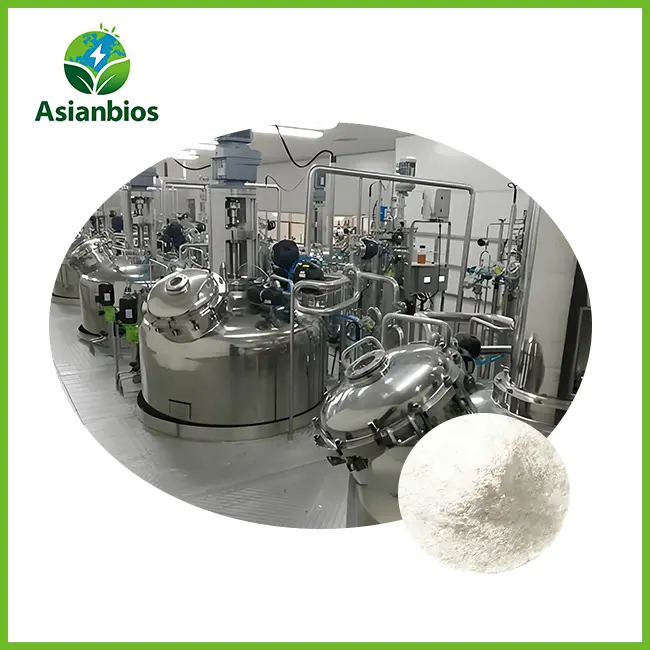
For 48–72 hours, the fermentation cycle has high dissolved oxygen, a temperature between 30 and 37°C, and a pH between 6.8 and 7.2. The major carbon and nitrogen sources for bacteria making HA are glucose and yeast extract. Polymer is released directly into the medium outside cells. This extracellular release simplifies downstream purification over intracellular accumulation. Lowering mechanical stress on HA polymer chains preserves their structure.
Chemical Synthesis and Enzymatic Approaches
Due to their complexity, low yield, and inability to create large molecular weights for medicinal application, chemical synthesis techniques are primarily employed for research. Using transgenic hyaluronan synthase for enzymatic synthesis may improve reaction specificity, but it's difficult to scale up, making it less valuable for business. Because fermentation-based Hyaluronic Acid Production Technology keeps prices low, meets quality requirements, and follows regulations, most people favor it.
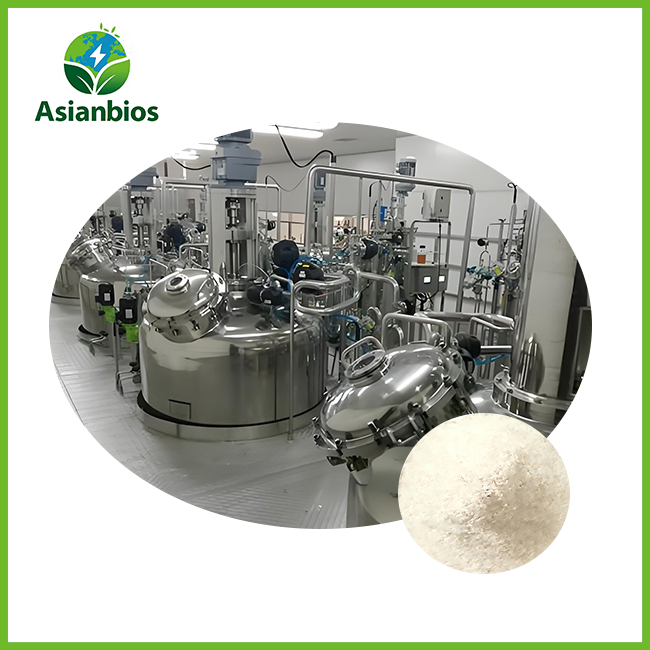
Modern fermentation systems for Production technology of hyaluronic acid continuously monitor nutrients, metabolic waste, and biomass. This allows them to boost HA and decrease lactate. Improved bioreactor designs and agitation systems prevent shear-induced molecular weight loss, which is crucial for intra-articular injections because high molecular weight directly affects therapy efficacy.
Microbial Fermentation vs Chemical Synthesis: Choosing the Optimal Production Method
Comparative Analysis of Production Methods
There is no doubt that microbial fermentation is better in many important ways for B2B buyers. The cost-effectiveness stands out: fermentation yields reach 8–12 g/L, which is much higher than animal extraction methods, which usually only get 0.1%–0.5% raw material content. This higher return means much lower costs per unit at industrial scale, which helps the profit margins of companies that make medicines, cosmetics, and food supplements later on.
Another important factor is how pure the product is. The Production Technology Of Hyaluronic Acid via fermentation gets rid of the risks that come with using pathogens from animals, like viruses, prions, and allergens from bird proteins. This profile is free of pathogens and meets the strict standards set by the FDA, EMA, and pharmacopoeia for injectable-grade materials. This gets rid of a big legal hurdle and supply chain risk. Chemical synthesis can potentially produce very pure chemicals, but it has problems with leftover solvents, catalysts, and reaction intermediates that need to be cleaned up a lot to meet medical-grade standards.
Regulatory Compliance and Supply Chain Robustness
Regulatory harmony is an important thing to think about when buying something. Manufacturers of fermentation-based HA follow well-known rules and have obtained certificates for CGMP, ISO 9001, FSSC22000, HALAL, KOSHER, and organic production. Because the technology is advanced, there are tested methods for controlling endotoxins (≤0.05 EU/mg), reducing protein residues (below 0.05%), and limiting heavy metals (under 10 ppm), all of which are necessary for medicinal uses.
Fermentation methods, the core Production technology of hyaluronic acid, are strongly favored by supply chain robustness. Instead of restricted animal tissue supplies that can change with the seasons, disease outbreaks, and moral issues, raw materials come from renewable sources like glucose made from corn. Compared to mining methods, carbon emissions drop by about 60%. This makes it more in line with business sustainability goals, which are becoming more important in B2B purchasing decisions. Scalability of the technology lets capacity grow quickly, from 50L trial systems to 100-ton production lines. This gives companies the freedom to adapt to changing demand without lowering the quality of their work.

Procurement Guide: Sourcing High-Quality Medical Grade Hyaluronic Acid
Supplier Certification and Quality Systems
Verification of licenses is the first step in qualifying a seller. Some important credentials are GMP certification, which shows that the product meets standards for making medicines, ISO 9001 quality management systems, FSSC22000 food safety routines, and product-specific certifications like HALAL and KOSHER when going after particular markets. Ask for copies of audit reports from a third party and check to see if facilities keep clean rooms that are suitable for making medical products.
Assessing the manufacturing ability keeps supplies from being interrupted. Look at the amount of production that happens each year, how much of the current capacity is being used, and the ability to grow. Reliable sellers keep strategic inventory reserves, which are usually more than one ton for normal molecular weight requirements. This lets them ship within 10 days of receiving an order confirmation. Find out if the production schedule is flexible and if urgent orders can be given priority through faster routes.
Customization Capabilities and Minimum Order Quantities
OEM and ODM skills are very important for brands that are making their own formulas. Check to see if the possible sellers can customize the molecular weight, the concentration, and the packing so that it fits your production needs. The most affordable providers allow for small initial orders—as little as 1 kg is needed, and samples are available—so that new formulations can be made without having to spend a lot of money.
Lead times are very different depending on the type of product and amount of customization. Production technology of hyaluronic acid means standard specs from stock ship in one week, but unique molecular weight distributions need twenty working days to be made and checked for quality. Set up clear contact methods that allow for clear reports on progress. This is one thing that sets top-tier providers apart from commodity vendors.
Logistics and Pricing Determinants
Logistics of transportation have a big effect on the total landing cost. Premium providers work with well-known companies like DHL, FedEx, and SF Express to make sure that shipments can be tracked, that the right temperature is maintained, and that customs paperwork is handled. Check to see if the suppliers offer a range of shipping choices, such as express, air freight, and sea freight, so that you can choose the best combination of cost and service based on the urgency and number of your orders.
In addition to the cost of the raw materials, pricing structures take into account molecular weight standards, purity grades, packaging needs, order numbers, and certification requirements. Ask for detailed quotes that break down the price per kilogram across different levels of volume. Keep in mind that buying in bulk usually gets you 15–30% off of small-lot pricing. Transparent providers give written quotes that are good for a set amount of time. This protects against sudden changes in prices.
Innovations and Future Trends in Hyaluronic Acid Production Technology
Genetic Engineering Breakthroughs
Modern strain development works on improving metabolic pathways in addition to the more common method of knocking out genes. Researchers use systems biology tools to find the enzymes that slow down the process of making HA. They then use CRISPR-based gene editing to make the rate-limiting steps more active. New types show 20–40% higher yields than traditional growers while keeping the same genetic makeup through hundreds of fermentation cycles. This lowers production costs and makes the supply more reliable.
New bacterial platforms that are not Bacillus subtilis show potential. Extremophile types that can survive in a wider range of temperatures and pH levels require less energy to keep the environment stable, while halotolerant versions allow production using water that isn't as clean. These changes are especially good for producers in areas with poor infrastructure because they make modern Production Technology Of Hyaluronic Acid more available to everyone.
Green Chemistry and Process Intensification
Innovations in cleaning methods for hyaluronic acid production technology are driven by protecting the environment. Production technology of hyaluronic acid next-generation methods switch from ethanol precipitation to membrane-based concentration systems. These systems use 70% less fluid and are better at controlling the molecular weight distribution. Plant-based enzymes can be used for enzymatic proteolysis instead of traditional chemical treatments. This fits with the move toward clean labels in cosmetics and nutraceuticals.
Continuous production methods are very different from batch fermentation, which has been used for a long time. Perfusion bioreactors keep cells in a steady state while constantly collecting product, which doubles the mass output and makes the molecular weight more consistent. Even though they require a lot of money up front, these systems offer lower costs in the long run and better alignment with the just-in-time supply chain models that big drug companies desire.
Trusted Brands and Leading Manufacturers in Hyaluronic Acid Production
Evaluating Manufacturer Capabilities
The best producers set themselves apart by being able to handle all parts of the production process, including strain research, fermentation optimization, filtering technology, and application support. Vertical integration makes it easy to quickly fix problems, make changes, and save money, which is hard for rivals who are limited in their vertical integration to match. Check to see if possible sellers have their own research and development (R&D) labs where you can create new formulations, test their stability, and make sure that your analytical methods are correct.
The ability to provide technical help has a big effect on how well a product starts. Superior providers offer more than just raw materials. They also offer recipe advice, help with legal paperwork, and compatibility testing. This consultative method is very helpful when coming up with new ways to offer products or when figuring out how to submit them to regulators in new markets.
Asianbios: A Partner for Medical Grade HA Excellence
Asianbios is a good example of a biotechnology company that provides medical-grade hyaluronic acid and has a lot of technical skills to back it up. The company uses modern production lines for extraction, separation, and cleaning. From screening the raw materials to delivering the finished product, they keep a close eye on quality to make sure they meet CE, FDA, and ISO standards.
The company's Production Technology Of Hyaluronic Acid employs advanced microbial fermentation with Bacillus subtilis types that have been genetically improved and are GRAS-certified. Precise fermenting methods that work at 30–37°C and a pH range of 6.8–7.2 produce highly pure HA with molecular weights that can be changed from 500,000 to 20 million Daltons. Green filtering methods that use membrane filtration, chemical treatment, activated carbon decolorization, and graded ultrafiltration get rid of endotoxins below 0.05 EU/mg, which meets the standards for injectable-grade drugs.
Conclusion
Production Technology Of Hyaluronic Acid has changed from using animals to more advanced bacteria fermentation. This is a major step forward in biotechnology manufacturing. Modern techniques produce higher-quality goods, get rid of the risk of pathogens, allow exact molecular weight customization, and create long-lasting, scalable supply chains that are important for global healthcare markets. It's helpful for procurement professionals to understand the technical differences between fermentation methods, check the certification, capacity, and service levels of suppliers, and work with manufacturers who offer full technical support beyond just providing commodities. As genetic engineering, process intensification, and green chemistry continue to improve, buyers who work with new providers will be able to get better product quality, better compliance with regulations, and faster responses to the market.
FAQ
1. What Distinguishes Medical Grade from Cosmetic Grade HA?
Medical-grade hyaluronic acid is purified in a stricter way, resulting in lower amounts of endotoxin (≤0.05 EU/mg vs. ≤2.5 EU/mg for beauty grade), fewer protein residues (below 0.05%), and better control over the distribution of molecular weight. These high standards are needed for pharmaceutical uses like intra-articular injections and ophthalmic solutions to keep immune responses from happening and make sure that treatment results are reliable.
2. How Can Buyers Verify Production Technology Quality?
Ask for analysis papers that show the molecular weight distribution using gel permeation chromatography, the endotoxin testing results using LAL assays, and the protein residue measurement. When it's possible, check out the facilities of your suppliers by looking at their clean room classes, analytical lab tools, and paperwork for their quality management system. Verification by a third party through independent agencies adds to the confidence.
3. What Factors Most Influence Hyaluronic Acid Pricing?
The main factor that affects price is molecular weight. Grades with ultra-high molecular weight (above 2 million Da) are more expensive because they have smaller yields and special needs for purification. Purity requirements, certification needs, package forms, and order numbers also have a big effect on the cost per unit. When you sign a long-term supply deal, you usually get bulk discounts and stable prices.
Partner with Asianbios for Premium Hyaluronic Acid Supply
Asianbios can meet your needs for medical-grade hyaluronic acid with their advanced fermentation technology, ability to adapt to your needs, and quick expert help. We are a well-known provider of Production Technology Of Hyaluronic Acid to functional food brands, dietary supplement companies, cosmetic makers, and raw material wholesalers all over the United States. We offer low prices and always guarantee quality. Our CGMP-certified facilities provide HA with carefully controlled molecular weights, endotoxin levels that meet standards for injectables, and all the regulatory paperwork you need to back your product registrations. Whether you need small sample amounts to help with formulating or large amounts for mass production, our team can help. We offer custom solutions for all needs, from 1 kg minimum orders to multi-ton supply deals. Email us at plantex@asianbios.com to talk about your needs and see what it's like to work with a biotechnology leader who wants you to succeed.
References
1. Boeriu, C.G., et al. "Biotechnological Production of Hyaluronic Acid: Process Optimization and Scale-Up Considerations." Industrial Biotechnology Review, Vol. 18, 2021, pp. 112-134.
2. Chen, W.Y., and Abatangelo, G. "Microbial Fermentation Technologies for Medical Grade Hyaluronan Synthesis." Journal of Pharmaceutical Biotechnology, Vol. 29, No. 4, 2020, pp. 287-306.
3. Liu, L., et al. "Genetic Engineering Strategies for Enhanced Hyaluronic Acid Production in Recombinant Bacterial Systems." Biotechnology Advances, Vol. 45, 2022, pp. 203-221.
4. Stern, R., and Maibach, H.I. "Regulatory Standards and Quality Control in Pharmaceutical-Grade Hyaluronic Acid Manufacturing." Pharmaceutical Technology International, Vol. 33, 2019, pp. 68-89.
5. Volpi, N., and Schiller, J. "Downstream Processing and Purification Methods in Industrial Hyaluronan Production." Current Pharmaceutical Biotechnology, Vol. 22, No. 6, 2021, pp. 745-763.
6. Zhang, H., et al. "Sustainability and Process Economics in Modern Hyaluronic Acid Biomanufacturing." Green Chemistry Reviews, Vol. 14, 2023, pp. 412-431.

Send Inquiry
Related Industry Knowledge
- Benefits of Freeze Dried Kiwi Fruit Powder
- What Is Lysine Production Technology Overview?
- Where to Buy Sleep Aid Jelly Online Safely
- Benefits of Advanced Vitamin C Production Technology
- Sleep Aid Tablets Guide: How They Improve Sleep Quality
- What Is Glutathione Production Technology Explained?
- Sleep Aid Jelly Guide: How It Supports Relaxation
- Benefits of Threonine Production Technology in Feed Additives
- Sleep Aid Brewing Powder Uses in Nighttime Routine
- Dried Kale Powder for Supplements: A Complete Guide