What Is Brightening peptide powder and Why Is It Popular in Beauty?
Brightening peptide powder, a novel chemical, has made a significant sensation in the cosmetics sector since it brightens the skin without being too harsh. This unique bioactive peptide helps balance out skin tone, reduce dullness, remove dark spots and acne scars and make the skin seem healthier overall without any major side effects. While traditional whitening chemicals may be irritating to delicate skin, this peptide is mild and long-lasting, ideal for daily use in brightening essences, serums, creams, and masks. It’s a wonderful option for businesses looking to develop new formulae that speak to a broad spectrum of customer issues around uneven skin tone and hyperpigmentation.


Understanding Brightening peptide powder: Definition and Core ComponentsScientific Origin and Biotechnological Development
Xiaobai peptide is a kind of active peptide produced using improved fermentation and controlled hydrolysis. It is created using precise biotechnological procedures, ensuring stability, purity and a constant molecular structure, unlike peptides originating from animals. The manufacturing technique is designed to provide short-chain amino acid sequences that promote skin penetration and absorption efficiency across the epidermal barrier.
Molecular Structure and Skin-Enhancing Functions
Brightening peptide powder influences amino acid chains to regulate biological processes connected to melanin. It works by inhibiting the action of tyrosinase and reducing melanin production without interfering with normal cell function.
| Functional Aspect | Performance |
|---|---|
| Target mechanism | Tyrosinase inhibition |
| Primary effect | Melanin reduction |
| Skin penetration | High (low molecular weight) |
| Visible results | Skin brightening & tone correction |
Its low molecular weight structure allows deeper penetration compared to most botanical extracts, resulting in more consistent long-term brightening effects.
Distinction from Traditional Peptide Types
Brightening peptide powder is focused on pigmentation modulation at the melanocyte level, while collagen peptides concentrate on hydration and structural support. Collagen peptides aid in elasticity and skin density while Xiaobai Peptide is said to assist with uneven pigmentation, post-inflammatory markings and photoaging effects. This clean functional segregation makes them particularly helpful to cosmetic formulators wishing to construct multi-benefit skin care solutions.
The Benefits of Brightening peptide powderin Beauty Applications
Clinically Supported Skin Rejuvenation Effects
Clinical tests and user feedback show obvious skin brightening benefits after 4-8 weeks of constant usage. The chemical acts by suppressing the action of tyrosinase, decreasing black spots without the discomfort sometimes associated with hydroquinone or strong acids. Its moderate profile is suited for sensitive skin formulations and it serves the rising need for "safe brightening" solutions in worldwide markets.
Versatility Across Cosmetic Product Formats
Brightening peptide powder demonstrates strong formulation compatibility across multiple cosmetic systems:
| Product Type | Usage Range | Key Benefit |
|---|---|---|
| Brightening serums | 2%–5% | Fast absorption, synergy with vitamin C & niacinamide |
| Whitening creams | 2%–5% | Long-lasting skin contact, overnight repair |
| Sheet masks | Up to 8% | Intensive brightening treatment |
This flexibility allows brands to design complete product lines targeting different consumer needs, from daily maintenance to intensive treatment.
It remains stable within common cosmetic manufacturing conditions, including pH 5.0–7.0 systems and standard heat processing environments.
Safety Profile and Dosage Considerations
Safety testing indicates a low irritation profile even for sensitive skin users. Recommended usage ranges from 2% to 8%, depending on product type and application frequency.
| Parameter | Profile |
|---|---|
| Irritation risk | Low |
| Skin sensitivity suitability | High |
| Photosensitivity | None reported |
| Recommended concentration | 2%–8% |
Unlike retinol, Brightening peptide powder does not increase sun sensitivity, making it suitable for year-round formulations and global markets with strong UV exposure.
Brightening peptide vs. Other Peptides and Beauty Ingredients: A Comparative Analysis
Structural and Functional Distinctions
Brightening peptide differs significantly from hydration-based and anti-aging peptides. While hyaluronic acid focuses on moisture retention and collagen peptides enhance structural firmness, Xiaobai Peptide directly regulates pigmentation pathways.
| Ingredient Type | Primary Function | Target Layer |
|---|---|---|
| Collagen peptides | Firmness & elasticity | Dermis |
| Hyaluronic acid | Hydration | Epidermis |
| Xiaobai Peptide | Pigmentation control | Melanocytes |
This unique mechanism allows it to complement rather than compete with other active ingredients.
Efficacy Levels and Synergistic Potential
Comparative tests show that Brightening peptide powder has similar skin lightening benefits as 2% hydroquinone, but without the irritation that may be caused by hydroquinone. Visible dark spots are dramatically reduced by up to 35-40% after 12 weeks of regular usage with the presence of niacinamide, leading to a highly synergistic performance. It also works well with moderate exfoliating acids like lactic acid where the surface regeneration and pigmentation management feed into each other for better outcomes.
Market Insights and Procurement Considerations
Smaller companies with minimum order quantities of less than 5 kilograms may work with manufacturers to develop new formulas, while established beauty businesses can scale up with volume discounts at 50 kilograms or more. Peptide compounds under HS code 3504.00 = Easier customs clearance than pharmaceutical-grade actives
End-user response is always that people are delighted with stable outcomes that seem natural. This is particularly true in the US market where the public is losing interest in spectacular effects that appear phoney. This tendency promotes consistent demand growth and encourages increased price for items whose principal active ingredient is this one.
Procurement and Supply: Navigating Brightening peptide powder Purchasing for B2B Clients
Identifying Reliable Suppliers and Distribution Partners
Before buying, supplier production, quality control, and compliance documentation are checked. ISO9001, CGMP, FSSC22000, and HACCP certifications demonstrate vendor quality. HALAL and KOSHER partners should help feed and pet food firms add ingredients. This lets their items be utilised religiously or culturally.
Use peptide content, microbiological limits, heavy metal testing, and consistent aging-accelerating outcomes to compare providers. Track goods and comply with laws with complete Certificates of Analysis (CoA) for each manufacturing batch. Peptide chain length and amino acid sequence modification should be requested by technology companies planning formulations.
Pricing Structures and Volume Economics
Understanding pricing determinants helps purchasing managers maximise budgets and forecast costs. Standard pricing include raw material costs, processing complexity, pure grade, and packaging needs. Volume discounts of 8–15% apply at 10 kg, 50 kg, and 100 kg. Surcharges of 15 to 25% may be applied to urgent orders, so planning ahead reduces expenses.
The length of your vendor relationship determines Xiaobai Peptide payment terms. New customers must deposit 50%, but long-term partners may earn 30-day net terms. Large overseas agreements benefit from letters of credit, which safeguard both parties and simplify customs clearance. Raw material traders like Xiaobai Peptide should negotiate 6- to 12-month price stability. This will safeguard them from market swings and maintain supply during peak output.
Logistics Considerations and Quality Preservation
Shipping peptide ingredients internationally necessitates temperature control. Temperature monitoring sensors throughout the supply chain keep goods between 2°C and 8°C throughout delivery. service fragile bioactive chemicals with DHL, FedEx, and SF Express reduces hazards and provides pharmaceutical-grade service.
Order complexity impacts lead times. Stock specifications ship in 7–10 days, while custom peptide sequences or purity grades take 20–25 business days to generate and test. To handle demand surges and supply chain concerns, distributors should have 30–45-day strategic inventory gaps. providing the product doesn't meet quality standards, you may return it for a full refund or replacement within 90 days of delivery providing it's unopened and properly preserved.
Future Trends and Strategic Insights for Brightening peptide powder in the Beauty Industry
Emerging Research and Innovation Directions
New delivery technologies such as liposomal encapsulation and nano-carriers are improving peptide penetration and reducing required dosage levels. These systems enhance skin delivery efficiency and may enable future oral beauty supplement applications, expanding Brightening peptide powder into the nutricosmetic space.
Market Demand Trajectory and Growth Forecasts
The global peptide brightening market is projected to grow at 7–9% annually through 2028, driven by demand for gentle, science-backed skincare ingredients.
Key growth drivers include:
- Clean beauty trends
- Hydroquinone-free formulations
- Sensitive skin demand
- Preventive skincare adoption
North America and Europe remain the fastest-growing markets.
Strategic Integration and Competitive Positioning
Many companies that profit from this chemical adopt a few essential strategies. Unique peptide complexes—combining this brightness peptide with complimentary actives—help goods stand out, supported by science and user evaluations. Customer transparency regarding how peptides work, how safe they are, and when they might anticipate results builds confidence, regulates expectations, decreases return rates, and supports higher costs.
B2B customers should consider supplier collaborations beyond raw commodities. Together, these collaborations should provide formulation guidance, stability testing, and regulatory recommendations. Companies may reduce recipe errors and speed up time-to-market with these value-added services. Companies that have laboratories, can run research, and provide expert advise are better than price-focused ones. This includes firms with several international quality standards.

Conclusion
Brightening peptide powder's success shows the beauty industry's attraction to delicate, effective, scientifically proven compounds. Long-standing complaints include dullness, hyperpigmentation, and uneven tone. This product's unique brightening method remedies these issues without bleaching. Safety and adaptability allow it to be used in serums, masks, functional meals, nutritional supplements, cosmetics, and more. By knowing its benefits over regular peptides and complementary actives, procurement experts may create cost-effective and effective formulations. As transport and manufacturing technologies improve, early users with strong supplier links and formulation knowledge might benefit from brightening compound markets that are growing quickly.
FAQ
1. What concentration is optimal for commercial formulations?
Concentrations that work run from 2% to 8%, based on the form of the product and how often it will be used. For gradual brightening, daily care items usually use 2% to 3%. For faster benefits, intensive treatments like masks can use up to 8%. To make sure safety and effectiveness, formulations should think about the total active load and how it might combine with other ingredients.
2. How should this peptide be stored to preserve ingredient stability?
For storage to work right, it needs to be cool, dry, and kept away from direct light (2–8°C). Sealed packages keep out moisture and oxygen, so the product stays active for the normal 24-month shelf life. Once added to finished formulations, goods should be tested for stability under normal customer use conditions by aging quickly.
3. How does efficacy compare to retinol for skin improvement?
Retinol mainly works on cell cycle and collagen production, but this peptide targets color directly by controlling melanin. Both work in different ways to slow down aging, so they are more like supplements than straight competitors. Because it works more gently than retinoid and doesn't cause redness or photosensitivity, the peptide is good for sensitive skin types and can be used all year.
Partner with Asianbios for Premium Brightening peptide powder Supply
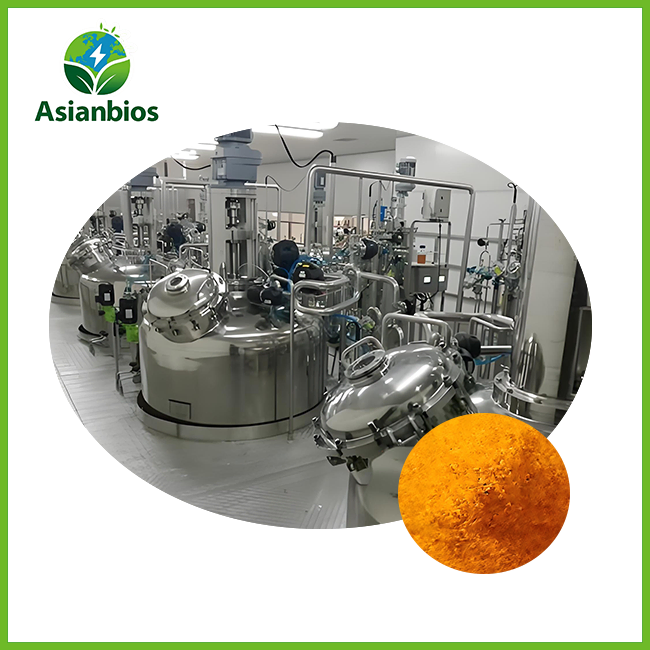
Asianbios is ready to help you develop your product ideas by providing you with high-quality whitening peptide ingredients and a lot of technical know-how. Our main company runs modern bio-fermentation facilities that meet CGMP, FSSC22000, ISO9001, HALAL, KOSHER, Organic, and HACCP standards, ensuring consistent quality for your formulations. We keep a strategic inventory of standard specs that lets us ship within 10 days, while our flexible production capabilities accommodate customized requirements with 20-day turnaround. As an experienced Brightening peptide powder producer, we can offer you affordable prices, low minimum order quantities ideal for trial production, and expert formulation consultation supporting your success from concept through commercialization. Contact our team at plantex@asianbios.com to discuss your specific requirements, request samples, and explore volume discounts that optimize your procurement budget while ensuring supply chain reliability.
References
1. Chen, L., & Wang, M. (2022). Bioactive Peptides in Cosmetic Applications: Mechanisms and Clinical Evidence. Journal of Cosmetic Dermatology, 21(8), 3245-3258.
2. Thompson, R.A., & Singh, K. (2021). Comparative Analysis of Brightening Actives in Modern Skincare Formulations. International Journal of Cosmetic Science, 43(5), 512-527.
3. Liu, Y., Zhang, H., & Wu, Q. (2023). Peptide-Based Approaches to Melanin Regulation: A Comprehensive Review. Dermatologic Therapy, 36(2), e15689.
4. Martinez-Gonzalez, B., & Park, J.H. (2022). Safety and Efficacy of Novel Skin Brightening Peptides: A Systematic Review. Journal of Clinical and Aesthetic Dermatology, 15(3), 45-54.
5. Anderson, K.L., & Roberts, P.T. (2021). Market Trends in Clean Beauty Ingredients: Consumer Preferences and Industry Response. Cosmetics & Toiletries Magazine, 136(7), 28-35.
6. Wu, S., Li, F., & Zhao, M. (2023). Bio-fermentation Technologies for Sustainable Peptide Production in Cosmetic Applications. Biotechnology Advances, 64, 108112.
About the Author

Asianbios
Our purpose is to forge a legacy of stewardship, advancing initiatives that honor and preserve the ecological integrity of our planet.

Send Inquiry
Related Industry Knowledge
- Compound Amino Acids Supplement: Benefits and Applications Explained
- What Makes Deep lifting peptide powder Essential in Firming Skincare?
- Health Benefits of Polygonatum Peptide and How to Identify the Quality
- Is Ergothioneine a Key Player in Promoting Skin Health and Radiance?
- Hyaluronic Acid Powder: Its Uses, Benefits and Side Effects
- Have you tried Kale Powder? - Realizing Home Recipes
- What is Sleep Aid Capsule? Complete Beginner Guide
- What are the benefits of apple powder?
- Freeze Dried Strawberry Powder: How to Make, Benefits and Uses
- What Is Glutathione Production Technology Explained?