What Is Leucine Production Technology? Process & Overview
One of three essential BCAAs, L-leucine is vital to human and animal metabolism, protein synthesis, and muscle repair. Leucine Production Technology is a key priority for businesses globally as demand for amino acid-based products develops in pharmaceutical, sports nutrition, feed, and functional food industries. This page explains Leucine Production Technology, how it works, what product grades it supports, and why technology partners key. Understanding this technology can help you make better judgments while developing a new amino acid factory, improving an existing one, or procuring finished L-Leucine for downstream applications.
| Parameter | Details |
|---|---|
| Product Name | Leucine Production Technology |
| Production Process | Microbial Fermentation |
| Active Ingredient | L-Leucine |
| Appearance | White Powder |
| Package Specification | 25 kg / Barrel |
| Transport Mode | Express, Air, Sea |
| OEM / ODM | Available |
| Minimum Order Quantity | 1 kg (Samples Available) |
| Technology Formula | 30% Process + 70% Localization Execution |
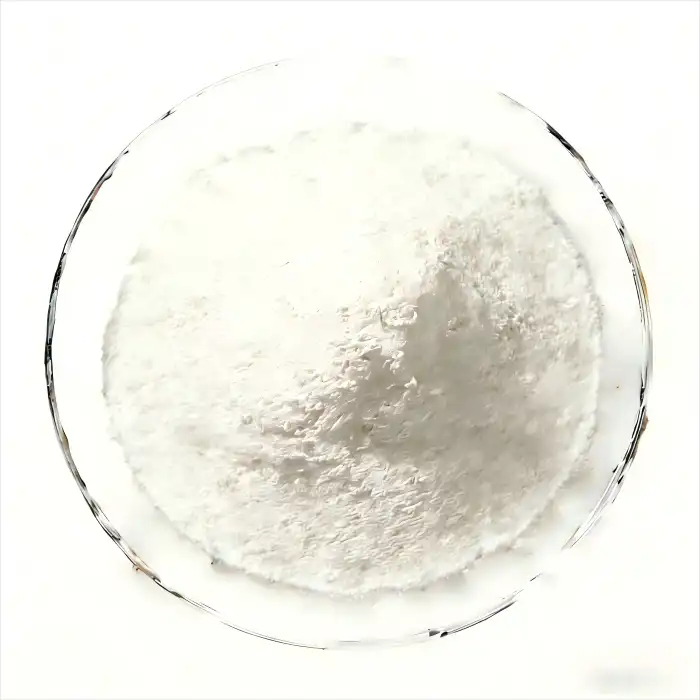
Understanding the Core Science Behind Leucine Production Technology
What Is L-Leucine and Why Does It Matter?
L-Leucine is an essential amino acid that is not produced by the human body and must be received by food or supplementation. It is a major player in protein metabolism and activates the mTOR signalling pathway to induce muscle protein synthesis. L-Leucine is one of the most researched and commercially important amino acids accessible to athletes, clinical patients recuperating from surgery and older folks managing muscle loss. Leucine production technology means the whole range of procedures, strain engineering techniques, fermentation management and downstream purification systems utilized in the synthesis of L-Leucine on an industrial scale. The quality of the finished product, whether feed-grade, food-grade or pharmaceutical-grade, is determined only by the rigor and complexity of the technologies used at each step of manufacturing.
Microbial Fermentation: The Foundation of Modern Production
The current leading method of Leucine Production Technology is microbial fermentation, especially with the aid of modified strains of Corynebacterium glutamicum. For decades, this Gram-positive bacteria has been the workhorse of the amino acid fermentation business because of its inherent tendency to overproduce particular amino acids under optimum circumstances. The main problem in leucine formation is to reroute the cell's metabolic flow from competing pathways to the specific biosynthetic pathway from pyruvate to alpha-ketoisovalerate to alpha-ketoisocaproic acid which is eventually transaminated to L-Leucine. Producers may use modern metabolic engineering methods like as gene knockouts, promoter replacements and the insertion of feedback resistant enzymes to drive the yield well beyond what wild type strains can generate. Therefore, the effectiveness of Leucine Production Technology is closely tied to the skill in strain creation, which explains why a few number of businesses dominate the market on a worldwide scale.
Key Metabolic Engineering Strategies
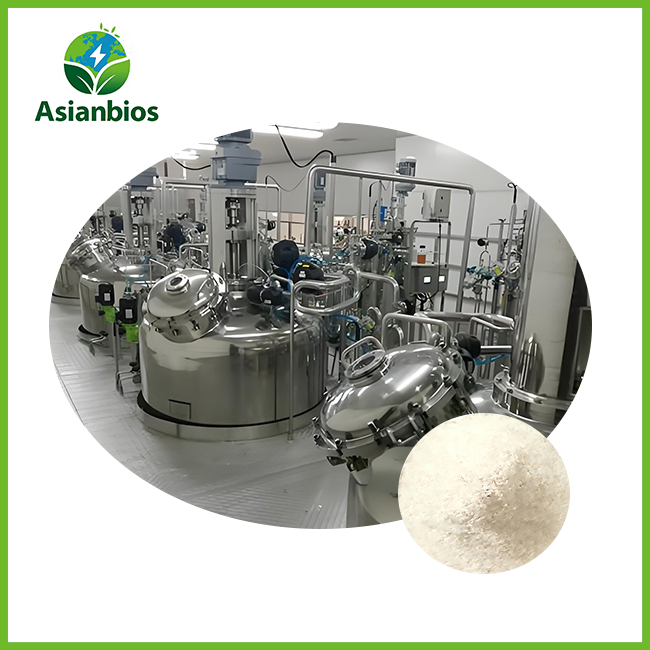
In addition to strain selection, Leucine Production Technology involves careful control of fermentation factors such as carbon and nitrogen supply concentrations, dissolved oxygen levels, pH, temperature and feed rates. In modern facilities, real-time monitoring and automated control systems can continually maintain ideal conditions for the whole 40- to 80-hour production run. No less important is the downstream processing: when the fermentation broth is collected, L-Leucine has to be isolated from biomass, other amino acids, byproducts and contaminants in a series of procedures that include filtering, ion-exchange chromatography, concentration, crystallization and drying. Each of these downstream procedures will define the purity and particle properties of the final white crystalline powder, hence purification engineering is an inseparable aspect of complete Leucine Production Technology.
Industrial Applications of Leucine Production Technology
Feed-Grade L-Leucine for Animal Nutrition
One of the highest volume uses of Leucine synthesis Technology is the synthesis of feed grade L-Leucine for use as a supplement in poultry, swine and aquaculture feed compositions. Branched chain amino acids like L-Leucine and others perfect the amino acid composition of complex feeds and reduce the demand for high-protein raw materials and improve feed conversion rates. For feed makers, the economics of Leucine Production Technology are critical: a continuous supply, consistent purity and competitive price are necessary. Getting the entire technology chain from strain to process to purification right, companies can deliver feed-grade product at scale with very little batch-to-batch variation, which is exactly what large feed companies need to produce consistent and cost-effective nutritional products for commercial livestock operations.
Food-Grade and Sports Nutrition Applications
Leucine Production Technology also supports the growing market for food-grade and sports nutrition-grade L-Leucine. BCAA supplements containing L-Leucine, L-Isoleucine, and L-Valine in ratios such as 2:1:1 are among the best-selling sports nutrition products globally. Food-grade L-Leucine must meet stricter purity specifications than feed-grade, requiring the application of more advanced purification technology and tighter process controls throughout fermentation. Functional foods, protein bars, beverages, and dietary supplements all represent end-use segments driving demand for high-quality leucine produced via advanced Leucine Production Technology. As consumers increasingly seek clean-label, naturally fermented amino acids over chemically synthesized alternatives, microbial fermentation-based Leucine Production Technology is well-positioned to capture this growing market preference.
Pharmaceutical-Grade Production and Compound Amino Acid Infusions
At the most demanding end of the quality spectrum, Leucine Production Technology must produce pharmaceutical-grade L-Leucine that meets compendial standards such as the Chinese Pharmacopeia (CP), United States Pharmacopeia (USP), or European Pharmacopeia (EP). Pharmaceutical-grade L-Leucine is used in compound amino acid injection products used in clinical nutrition therapy for patients who are unable to eat normally. The requirements for endotoxin control, sterility, residual solvent limits, and heavy metal content at this grade are extremely stringent. Producing pharmaceutical-grade L-Leucine requires not only advanced Leucine Production Technology but also manufacturing environments complying with GMP standards, rigorous quality management systems, and the ability to prepare comprehensive regulatory documentation for drug registration authorities.
| Grade | Application Field | Key Quality Standard | Typical End Product |
|---|---|---|---|
| Feed-grade | Animal Nutrition / Feed Industry | GB/T Standard | BCAA Feed Premix |
| Food-grade | Functional Food / Sports Nutrition | GB 29945 / FCC | Protein Powder, Gummies |
| Pharmaceutical-grade | Compound Amino Acid Infusion | CP / USP / EP | Amino Acid Injection |
Technology Transfer, Localization, and What It Takes to Succeed
The 30% Process + 70% Localization Framework
A critical insight in Leucine Production Technology is that acquiring a standardized process package is only part of the equation for building a successful manufacturing operation. Industry experience consistently shows that successful implementation follows the formula: 30% process knowledge plus 70% localization execution. The process component — strain selection, fermentation parameters, separation and purification protocols, quality control methods — can be transferred as a technology package. However, the larger challenge lies in localizing that process to the specific conditions of the receiving facility: local raw material quality, water chemistry, equipment reliability, regulatory environment, workforce skill level, and supply chain capabilities. Asianbios has built its Leucine Production Technology offering around this insight, providing not just process documentation but continuous hands-on support through the localization phase to ensure customers achieve stable yields and consistent quality in their own manufacturing environment.
Regulatory Compliance, Certification, and Production Line Support
Any investor or manufacturer adopting Leucine Production Technology must ensure that their facility and products comply with applicable legal and regulatory requirements in their target markets. This includes food safety management system certifications, good manufacturing practice standards, and product-level quality specifications set by importing countries. Asianbios holds a comprehensive range of certifications including CGMP, FSSC22000, ISO9001, HALAL, KOSHER, Organic certification, and HACCP, reflecting its commitment to quality and regulatory excellence. For customers interested in building their own production lines using Leucine Production Technology, the company can provide a complete technology package including production line design guidance, equipment recommendations, process training, and ongoing technical support — a turnkey solution designed to minimize the risk of a new project and accelerate the path to commercial production.
| Service Item | Description |
|---|---|
| Certifications | CGMP, FSSC22000, ISO9001, HALAL, KOSHER, Organic, HACCP |
| Quality Standards | CE / FDA / ISO International Standards |
| Delivery (Standard) | Within 10 days after payment (stock > 1 ton) |
| Delivery (Custom) | ~20 working days |
| Urgent Small Batch | Green Channel: 7–10 days minimum |
| Logistics Partners | DHL, SF Express, FedEx |
| OEM / ODM Capability | Gummies, Tablets, Powders, Capsules, and more |
| MOQ | 1 kg (trial orders welcome) |
| Tech Support | Formula solutions, lab verification, production line guidance |
Why Partner with Asianbios?
Product Quality and International Standards
Asianbios is a biotechnology enterprise specializing in the research, development, production, and sales of natural plant extracts and functional food raw materials, with Leucine Production Technology as a key capability within its broader amino acid and fermentation product portfolio. All products meet international CE, FDA, and ISO standards, giving customers confidence that material purchased from the company will meet requirements in demanding regulated markets. The company operates modern extraction, separation, and purification production lines supported by fully equipped R&D and testing laboratories, and implements a full-chain quality control system covering everything from raw material screening through to finished product delivery. This systematic approach to quality management means customers receive consistent product performance batch after batch, which is essential when L-Leucine is used in formulations where amino acid potency and purity directly impact product efficacy.
Flexible Manufacturing and Low MOQ
One of the practical advantages Asianbios offers customers exploring Leucine Production Technology or purchasing finished L-Leucine is flexibility. The company accepts orders with a minimum order quantity of just 1 kg, making it accessible for researchers, formulators, and small businesses conducting trials before committing to large-scale procurement. For customers ready to scale up, the company can produce across a wide range of product forms including powders, capsules, tablets, and gummies through its OEM and ODM capabilities, allowing customers to customize both product specifications and packaging to their brand requirements. The factory is also designed to adapt quickly to design changes, material substitutions, and order modifications based on market feedback — an important capability in fast-moving markets like sports nutrition and functional food.
Logistics, Delivery, and Responsive Support
Delivery reliability is a practical concern for any business sourcing Leucine Production Technology outputs or finished L-Leucine from an overseas supplier. Asianbios maintains stock of over one ton for standard plant extract specifications and can ship within 10 days of payment confirmation. Customized product orders typically require around 20 working days. For urgent small-batch requirements, the company offers a Green Channel service with a minimum delivery time of 7 to 10 days. Logistics are handled in partnership with leading global providers including DHL, SF Express, and FedEx, ensuring reliable, trackable delivery to destinations worldwide. Communication response speed is treated as a priority: the team provides near-instant responses to inquiries and transparent progress updates, with issues resolved within hours rather than days.

Conclusion
Leucine Production Technology is a complex combination of metabolic engineering, fermentation technology and downstream processing which is the basis of the worldwide supply of L-Leucine in feed, food and pharmaceutical sectors. Success is not simply process expertise; it is disciplined localization, regulatory compliance and a solid supply chain. Asianbios is supported by globally recognized certifications and a dedication to responsive, customer-centered service as it delivers both completed L-Leucine goods and extensive technological assistance to enterprises creating their own production capacity.
FAQ
Q1: What is the minimum order quantity for finished L-Leucine, and can I request samples before committing to a bulk order?
Yes. L-Leucine Minimum Order Quantity is 1 kilogram, Samples are available for assessment prior to commercial order. This enables formulators, researchers and prospective consumers to easily evaluate the product before ramping up their purchase levels.
Q2: What does the Leucine Production Technology package include if I want to build my own amino acid production line?
The Leucine Production Technology package comprises standardization of process documents such as fermentation settings, strain guidance, separation and purification techniques, and quality control methods, as well as ongoing hands-on technical assistance throughout the localization phase. The organization is also able to advise on production line design, equipment and regulatory paperwork assistance to assist new projects in conformity to local and international standards.
Q3: What certifications does Asianbios hold, and do its products comply with international quality standards?
The company holds CGMP, FSSC22000, ISO9001, HALAL, KOSHER, Organic, and HACCP certifications. All products are manufactured to meet CE, FDA, and ISO international standards, ensuring suitability for regulated markets including the United States, European Union, and other major importing regions across Asia, the Middle East, and beyond.
Ready to Source L-Leucine or Explore Our Production Technology Solutions? Contact Us Today
If you are looking for a reliable, certified supplier of L-Leucine or are interested in adopting complete Leucine Production Technology for your own facility, Asianbios is ready to help. Our team of professional technicians and R&D specialists can provide product samples, formula solutions, experimental verification, and full technical guidance tailored to your project needs. Whether you need immediate supply or long-term technology partnership, we are committed to delivering natural, healthy, and stable amino acid solutions to customers around the world. Reach out to us today and let us build a solution together. Email: plantex@asianbios.com.
References
1. Leuchtenberger, W., Huthmacher, K., & Drauz, K. (2005). Biotechnological production of amino acids and derivatives: current status and prospects. Applied Microbiology and Biotechnology, 69(1), 1–8.
2. Becker, J., & Wittmann, C. (2012). Systems and synthetic metabolic engineering for amino acid production — the heartbeat of industrial strain development. Current Opinion in Biotechnology, 23(5), 718–726.
3. Ikeda, M. (2003). Amino acid production processes. Advances in Biochemical Engineering/Biotechnology, 79, 1–35. Springer, Berlin, Heidelberg.
4. Wendisch, V. F. (Ed.). (2007). Amino Acid Biosynthesis — Pathways, Regulation and Metabolic Engineering. Springer-Verlag Berlin Heidelberg.
5. Eggeling, L., & Bott, M. (Eds.). (2005). Handbook of Corynebacterium glutamicum. CRC Press, Boca Raton, FL.
6. Takors, R., Bathe, B., Rieping, M., Hans, S., Kelle, R., & Huthmacher, K. (2007). Systems biology for industrial strains and fermentation processes — example: amino acids. Journal of Biotechnology, 129(2), 181–190.

Send Inquiry
Related Industry Knowledge
- What Does Ergothioneine Powder Do For Skin?
- How Production Technology Of Ergothioneine Improves Purity
- Berberine Hydrochloride Extract Supplements: Health Benefits & Trends
- Kale Powder vs Fresh Kale:Which one is better?
- Where can I buy high-quality ergothioneine powder online?
- Production Technology Of Hyaluronic Acid for Medical Grade Use
- What Is Modern Valine Production Technology?
- Is sea buckthorn powder good for you?
- Where to Buy Sleep Aid Jelly Online Safely
- Sleep Aid Jelly Guide: How It Supports Relaxation