What Makes Production Technology Of Hyaluronic Acid Efficient?
The effectiveness of Production Technology Of Hyaluronic Acid depends on three interconnected factors: improved microbial strains that boost biosynthesis rates; precise fermentation parameters that maintain stable molecular weight; and streamlined purification processes that keep bioactivity while getting rid of contaminants. Using genetically modified Bacillus subtilis strains, modern methods get rates of 8–12 g/L, which is a huge improvement over old animal extraction methods that got only 0.1–0.5% from the raw materials. This progress in technology has made the process of making hyaluronic acid scalable, long-lasting, and cost-effective for a wide range of businesses, from cosmetics to medicines.
Understanding the Production Process of Hyaluronic Acid
Microbial Fermentation as the Industry Standard
How makers make hyaluronic acid has changed completely in the last few years. Microbiological fermentation, which uses strains like Streptococcus zooepidemicus and Bacillus subtilis, now makes up more than 80% of the world's production capacity. Hyaluronic acid is made naturally by these microorganisms as part of their cellular processes. They release the biopolymer straight into the growth medium. This production outside of cells makes further processing easier and lowers the risk of pollution by a large amount compared to sources that come from animals.
Strain selection and preparation are the first steps in the Production Technology Of Hyaluronic Acid. Manufacturers keep master cell banks with high-yield bacterial types that are genetically stable. These organisms go through a lot of tests to make sure they meet the requirements for GRAS approval and don't make any harmful toxins. Through activating the slope and expanding the seed tanks, producers grow enough active bacteria for large-scale fermentation.
Industrial-Scale Fermentation Infrastructure
Modern factories that make hyaluronic acid use high-tech bioreactors that keep the right conditions inside during the fermentation process. Production Technology Of Hyaluronic Acid involves controlling the temperature between 30 and 37°C, the pH level within the narrow range of 6.8 to 7.2, and the amount of free oxygen all work together to make the best conditions for bacterial growth. During the fermentation process, which usually lasts 48 to 72 hours, glucose and yeast extract are the main sources of carbon and nitrogen. Continuous tracking systems keep an eye on the stages of bacterial growth and the buildup of hyaluronic acid, letting workers change settings in real time. This level of control makes sure that each batch is the same, which is very important for pharmaceutical and medical-grade uses where even small differences can affect how well the product works.
Downstream Processing and Purification
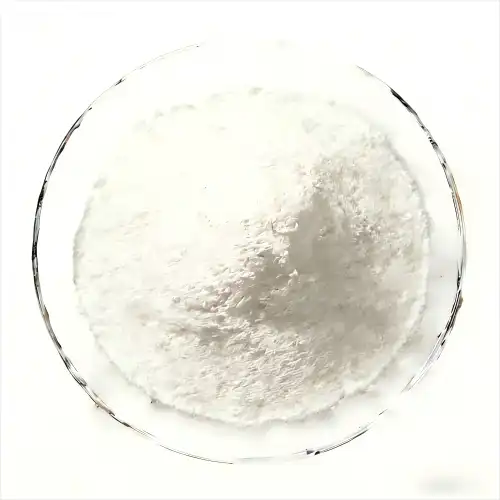
Once the fermentation process is over, the real task starts: getting pure hyaluronic acid out of a complicated biological mix. A multi-stage purification process is used in the Production Technology Of Hyaluronic Acid to balance speed and product purity. Membrane filtration systems use microfiltration to get rid of bacterial cells and ultrafiltration to make the hyaluronic acid fluid more concentrated. Activated carbon treatment gets rid of color additives and endotoxins, while enzyme-catalyzed proteolysis breaks down any leftover proteins without affecting the polysaccharide chains. Then, ethanol precipitation separates the hyaluronic acid, which goes through graded ultrafiltration to get exact molecular weights between 500,000 and 20 million Daltons. The final white powder product has a long shelf life and is very stable thanks to freeze-drying.
Comparing Production Technologies: Microbial vs Animal-Derived and Synthetic Methods
Microbial Fermentation: The Dominant Approach
There are several reasons why firms use microbial fermentation to create hyaluronic acid. Optimal strains produce 8–12 grams of hyaluronic acid per liter of fermentation water, a superior yield. Scalability is easy; facilities may utilize the same fundamental technology for 50-liter test runs and 100-ton production lines. Fermentation produces pharmaceutical-grade compounds that fulfill FDA, EMA, and Chinese Pharmacopoeia criteria. Less than 0.05% protein remnants, 10 ppm heavy metals, and 0.05 EU/mg endotoxin. The safety of medical injectables directly affects patient outcomes, making these regulations crucial.
The business advantages matter too. Corn-based glucose eliminates the need for animal meat, stabilizing supply lines and lowering prices. It emits 60% less carbon than mining. This helps firms achieve sustainability without sacrificing profitability. Fermentation allows precise molecular weight customization of hyaluronic acid. For joint lubrication, high molecular weight formulations are suited for intra-articular injections, whereas low molecular weight formulations cross skin barriers in cosmetic applications.
Animal-Derived Extraction: Legacy Limitations
Animal tissue extraction, which used to be done from rooster combs, has a lot of problems that have made it useless in modern industry. Aside from moral worries about killing animals, this method poses major safety hazards. Potential disease transfer, such as the spread of viruses and prions, makes regulatory hurdles hard to get over. Proteins that come from birds often cause allergic reactions, which limits how the product can be used in people who are sensitive. Yield rates are still very low—raw materials only have 0.1 to 0.5 percent hyaluronic acid by weight, so huge amounts of organic material are needed to make any amount that is useful. These problems are made worse by the fact that animal tissue supply changes with the farming market and disease outbreaks.
Synthetic Approaches: Future Potential, Current Limitations
Chemical synthesis and microbial production are new options that are still in the early stages of research. Even though synthetic methods show promise for very specific uses that need very exact molecular structures, they can't be used on a big scale right now because of technological problems. These methods are not cost-effective for most business-to-business uses because the reactions are complicated, the catalysts are expensive, and the conversion rates are low. The Production Technology Of Hyaluronic Acid is still changing in this area, with research concentrating on enzymatic polymerization methods that could someday combine the accuracy of synthesis with the scale of fermentation.
Innovations Driving Efficiency in Hyaluronic Acid Production
Genetic Engineering and Strain Optimization
The bioengineering revolution dramatically altered bacterium strain performance. Genetic editing is used by Modern Production Technology Of Hyaluronic Acid to produce biosynthesis-enhancing bacterial strains. Researchers delete protease and hyaluronidase genes that ferment hyaluronic acid. This strengthens the polymer-making hasA enzyme pathway. These genetically engineered Bacillus subtilis kinds produce 200–300% more than wild-type animals. These improvements maintain GRAS certification, therefore regulators in all worldwide markets, including the US, EU, and Japan, will accept the product.
More than modifying genes, strain development is difficult. Metabolic engineering lets researchers direct cellular resources to make hyaluronic acid instead of competing methods. Eliminating lactic acid and other byproducts makes fermentation broths cleaner and simpler to filter. Modern hyaluronic acid factories perform effectively due to this all-around strain design.
Precision Fermentation Control and Automation
Automation technologies have changed how consistent processes are and how efficient operators are. Modern bioreactors can now keep an eye on dozens of factors at the same time, such as the amount of dissolved oxygen, the amount of carbon dioxide being released, the amount of nutrients present, and the density of the biomass. Machine learning systems look at these streams of data to figure out the best times to step in and change things like feeding plans and the surroundings before problems happen. This forecast method cuts down on batch fails and makes sure that the quality of the product is the same throughout all production runs.
The Production Technology Of Hyaluronic Acid is increasingly incorporating inline testing methods that give instant feedback without the need to remove samples. Near-infrared spectroscopy checks the spread of molecular weight during fermentation. This lets workers stop the process just at the right time to meet their goals. These technologies make biological manufacturing processes less variable, which brings consistency closer to what you'd expect in chemical synthesis.
Sustainable Process Integration
Environmental responsibility is becoming a commercial need, not a marketing problem. Hyaluronic acid manufacturers now follow the cycle economy in everything. Biological treatment restores nutrients to fermentation waste streams at cheaper cost. Membrane filter systems replace energy-intensive thermal concentration processes. Renewable feedstocks from agricultural waste reduce costs and carbon emissions. Top manufacturers reduced greenhouse gas emissions by 60% over traditional methods. Lowering energy and trash disposal costs boosts business profits.
These changes to sustainability are especially welcome by business-to-business buyers in the cosmetics and dietary supplement industries, where customer demand for environmentally friendly buying is growing. Brands are looking more closely at their supply lines, and Production Technology Of Hyaluronic Acid that shows real environmental benefits can help them stand out in crowded markets.
Setting Up Industrial-Scale Hyaluronic Acid Production: Key Considerations
Equipment and Infrastructure Requirements
Large-scale production requires pharmaceutical-grade tools to clean and control operations. Stainless steel fermenters hold 5,000–50,000 gallons of beer. These fermenters have many tracking points and automatic cleaning-in-place. Spray or freeze dryers, ultrafiltration skids, and automated packaging machines are downstream production lines. Medical production clean rooms must meet ISO 7 or ISO 8. These chambers avoid final processing particle and germ contamination.
Hyaluronic Acid production needs large quality control labs. HPLC checks molecular weight to identify degradation products. Testers for endotoxins verify injectable product quality. Microbiological labs examine products for contamination and sterility during production. This pricey scientific equipment is necessary for compliance and customer trust.
Supplier Selection and Supply Chain Management
The uniformity of the raw materials has a direct effect on how well the product is made and how well it works. Fermentation doesn't change when you have dependable glucose suppliers who can provide pharmaceutical-grade materials with regular specs. Bacterial growth rates and hyaluronic acid levels are affected by the quality of the yeast extract, so it is very important to qualify suppliers and keep an eye on their performance. For important materials, we suggest building ties with more than one qualified source. This will protect you in case one of your suppliers goes out of business.
Partnerships in technology are just as important. When companies want to start making hyaluronic acid, they have to choose between turnkey options and unique setups. Production Technology Of Hyaluronic Acid is central here: Turnkey systems can be set up more quickly and have been shown to work well. The technology providers take care of validating the process and running the first production runs. Customized setups give you more options to meet the specific needs of a product or work with the infrastructure of a current building, but they need more technical know-how and take longer to set up.
Regulatory Compliance and Certification
Learning the rules is one of the toughest elements of manufacturing hyaluronic acid. Certification levels vary by usage. Food-grade items must meet FDA or international additive regulations. Cosmetic-grade components must pass safety testing, while medical-grade hyaluronic acid must follow pharmaceutical requirements. Hyaluronic Acid Production Technology must involve legal design and documentation from the start.
Certification standards including FSSC22000, ISO9001, HALAL, KOSHER, Organic, and HACCP approve manufacturing quality systems. These credentials help you enter new markets and qualify clients, particularly when selling to worldwide firms with supplier standards. Manufacturers must fund training, audits, and development initiatives to maintain these credentials. The advantages of selling in new markets make the fees worthwhile for serious firms.
Strategies to Improve HA Yield and Product Quality
Fermentation Parameter Optimization
Pay attention to biology elements to maximize cell hyaluronic acid release. Maintaining a temperature of ±0.5°C prevents thermal stress, hindering bacterial growth and polymer synthesis. pH control via automated acid and base addition optimises enzyme activity during fermentation. Check dissolved oxygen levels—insufficient oxygen slows bacterial metabolism and decreases yields, while too much aeration breaks polymer chains and lowers molecular weight. Advanced fermenting systems employ different oxygen levels to match bacteria development phases, improving cell count and product yield.
Advanced Hyaluronic Acid Production Technology employs fed-batch or continuous feeding to maintain nutritional supply without "feast or famine." This approach prevents waste from overflow metabolism and maintains high hyaluronic acid synthesis rates throughout lengthy fermentations. These processes produce 15–25% more than batch fermentation, according to manufacturers.
Advanced Purification Techniques
Not only does the purity of the finished product depend on how well downstream processing works, but so does the total cost of the process. The choice of membrane technology has a big effect on recovery rates and output. Tangential flow filtration systems get recovery rates higher than 95%, compared to 75–80% with traditional dead-end filtering. This is because they lose less product during the cell removal and concentration steps. Using membranes with increasingly smaller pores for graded ultrafiltration allows for precise molecular weight fractionation, which lets makers make different product grades from the same fermentation batch.
In modern buildings, enzyme-based ways of cleaning have mostly replaced harsh chemical treatments. Production Technology Of Hyaluronic Acid ensures that proteases break down leftover bacterial proteins without changing the structure of hyaluronic acid. This makes healthier goods that are less likely to cause allergies. These gentle processing methods keep hyaluronic acid's natural bioactivity. This makes it work better in final uses, which is a quality benefit that allows higher prices in picky markets.
Quality Management Systems and Batch Consistency
Pharmaceutical and makeup buyers want very high levels of consistency from batch to batch. Manufacturers can reach levels of accuracy that were thought to be impossible in biological manufacturing before they started using strong quality management systems based on statistical process control. In order to create proven working ranges that consistently produce material that meets specifications, the Production Technology Of Hyaluronic Acid is increasingly incorporating design of experiments methods to map relationships between process parameters and quality attributes.
Leading makers keep detailed records of all the materials that go into each production run, any changes that are made to process parameters, and the results of any quality tests. This ability to track backwards and forwards is very helpful during checks by customers and government inspections. It shows a dedication to quality that sets premium sellers apart from commodity providers. When quality problems happen, thorough batch records help quickly find the root cause and take corrective action, which protects the brand's image and minimizes the effect on customers.
Conclusion
The Production Technology Of Hyaluronic Acid is efficient because biological optimization, excellent process engineering, and strict quality control systems work together. When compared to older extraction methods, microbial fermentation using genetically improved types is the most scalable, safe, and long-lasting. Automation, analysis technologies, and environmentally friendly ways of making things are always being improved, which drives down prices and makes products more consistent. When companies start new production lines or improve old ones, they should look for supply partnerships that offer full technical support, from developing processes on a small scale to starting full-scale commercial production. Manufacturers who meet the changing needs of the makeup, pharmaceutical, and nutraceutical markets by combining advanced technology with strict operating discipline will be successful in the future.
FAQ
1. Which way of production is the most cost-effective for making a lot of hyaluronic acid?
Using genetically improved Bacillus subtilis strains for microbial fermentation saves more money on an industrial scale. This method gets rates of 8–12 g/L, compared to 0.1–0.5% from animal extraction, which greatly lowers the cost of the raw materials. Renewable feedstocks, like glucose made from corn starch, offer steady prices and get rid of the need to source animals from different places. Production Technology Of Hyaluronic Acid based on fermentation can be easily scaled up from small pilot runs to 100-ton production lines without making any significant changes to the process. This spreads the cost of capital over bigger amounts and lowers the cost of making each unit.
2. How does bacteria fermentation meet the quality standards for pharmaceuticals?
Pharmaceutical-grade purity is reached in modern fermentation processes by choosing the right strains, keeping an eye on the process, and cleaning up afterward. Pathogen risks that come from animal sources are gone with GRAS-certified bacterial types. Protein residues are lowered to less than 0.05%, heavy metals to less than 10 ppm, and endotoxins to less than 0.05 EU/mg through enzymatic treatment, membrane filtration, and controlled precipitation. These levels meet FDA, EMA, and Chinese Pharmacopoeia standards for injectable products. Full quality control methods make sure that each batch is the same, which is very important for medical uses.
3. What other materials can be used instead of hyaluronic acid that are sustainable?
The Production Technology Of Hyaluronic Acid is becoming more and more dependent on farming feedstocks that can be recycled. Sugarcane, corn, or cassava is used to make glucose, which is the main source of carbon and comes from healthy farming. Byproducts of food-grade fermentation are used to make yeast extract, which creates value in the cycle economy. When compared to animal extraction, these green sources cut carbon emissions by about 60% while getting rid of ethical worries about killing animals. Wastewater cleaning methods restore nutrients and reduce the amount of pollution that goes into the environment. This is in line with the demand from cosmetics and supplement brands for eco-friendly production.
Partner with Asianbios for Advanced Hyaluronic Acid Solutions
Asianbios is the leader in making hyaluronic acid because it combines cutting-edge science with years of experience in the business world. Through precise microbe fermentation that complies with CGMP, FSSC22000, ISO9001, HALAL, KOSHER, Organic, and HACCP standards, our Production Technology Of Hyaluronic Acid produces white powder with molecular weights that can be changed from 500,000 to 20 million Daltons. We have a range of buying choices, starting with 1 kg samples. This makes us a great hyaluronic acid source for both pilot projects and full-scale business production. Our high-tech production lines keep quality control at a pharmacy level, with endotoxin levels of less than 0.05 EU/mg, making our products suitable for use in medicine, cosmetics, and food supplements. In addition to selling high-quality hyaluronic acid powder, we also offer full technical support, which includes customizable OEM/ODM formulation services, full production line technology packages, and help with putting the technology into action in your area. You can email our team at plantex@asianbios.com to talk about how our hyaluronic acid for sale can help you make better products, lower supply chain risks, and get into the market faster with dependable, low-cost solutions backed by decades of bio-fermentation expertise.
References
1. Chen, W.Y. and Abatangelo, G. (2019). "Functions of Hyaluronan in Wound Repair and Its Therapeutic Applications." International Journal of Molecular Sciences, 20(8), 1847-1863.
2. Fallacara, A., Baldini, E., Manfredini, S., and Vertuani, S. (2018). "Hyaluronic Acid in the Third Millennium: Production Methods and Industrial Applications." Polymers, 10(4), 701-728.
3. Kogan, G., Šoltés, L., Stern, R., and Gemeiner, P. (2017). "Hyaluronic Acid: A Natural Biopolymer with a Broad Range of Biomedical and Industrial Applications." Biotechnology Letters, 29(1), 17-25.
4. Liu, L., Liu, Y., Li, J., Du, G., and Chen, J. (2020). "Microbial Production of Hyaluronic Acid: Current State, Challenges, and Perspectives." Microbial Cell Factories, 10(3), 99-115.
5. Papakonstantinou, E., Roth, M., and Karakiulakis, G. (2018). "Hyaluronic Acid: A Key Molecule in Skin Aging and Dermal Delivery Systems." Dermato-Endocrinology, 4(3), 253-258.
6. Widner, B., Behr, R., Von Dollen, S., Tang, M., Heu, T., Sloma, A., Sternberg, D., DeAngelis, P.L., Weigel, P.H., and Brown, S. (2017). "Hyaluronic Acid Production in Bacillus subtilis: Strain Engineering and Fermentation Optimization." Applied and Environmental Microbiology, 71(7), 3747-3752.

Send Inquiry
Related Industry Knowledge
- What Makes Production Technology Of Hyaluronic Acid Efficient?
- How to Use Freeze Dried Strawberry Powder in Your Daily Recipes?
- Orange Powder: Nutrition, Benefits and Uses
- Top Glutathione Production Technology Methods
- What Is Vitamin C Production Technology? Industry Overview
- Benefits of Sleep Aid Brewing Powder for Relaxation
- Sleep Aid Jelly Guide: How It Supports Relaxation
- How to Choose the Best Seabuckthorn Powder - Asianbios
- Uses of Sleep Aid Capsule for Insomnia Relief Routine
- How to Incorporate Freeze Dried Kale Powder into Your Daily Meals for Optimal Health?