Where can I buy bulk stevia extract powder online?
To buy bulk stevia extract powder online, you must first find trusted business-to-business sites that focus on natural sugar ingredients. Reliable manufacturers with ISO and cGMP certifications usually have direct buying systems on their websites. On the other hand, well-known markets connect buyers with suppliers who have already been checked out. The most trustworthy channels offer clear CoA paperwork, flexible minimum order amounts, and programs for checking samples. When compared to middleman distributors, direct manufacturer relationships often offer better prices and more stable supply lines. This makes them the best choice for procurement pros looking for long-term partnerships.
Introduction
Businesses that manufacture helpful meals, beverages, and nutritional supplements employ bulk stevia extract powder as consumers worldwide switch to natural, calorie-free sweeteners. As more customers seek clean-label items, purchasing personnel are under pressure to obtain high-purity, cost-effective stevia extracts that fulfil tight regulatory criteria. Finding bulk stevia extract powder is harder than just comparing prices. You must verify the supplier, comprehend technical specifics like Rebaudioside A purity levels, and obey FDA and EFSA guidelines.
B2B buyers' online shopping questions are answered in this guide. If you manage supply chains for beauty firms that require microbe-free materials or feed producers who want affordable natural additives, you need to know where and how to purchase bulk stevia extract powder online to compete. We examine supplier evaluation criteria, quality requirements, and price-performance procurement tactics. This helps you establish solid sourcing frameworks for scalable production and international market legal compliance.
Understanding Bulk Stevia Extract Powder: Characteristics and Benefits
Natural Origin and Extraction Process
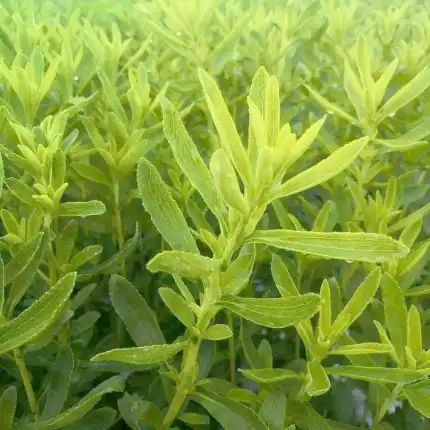
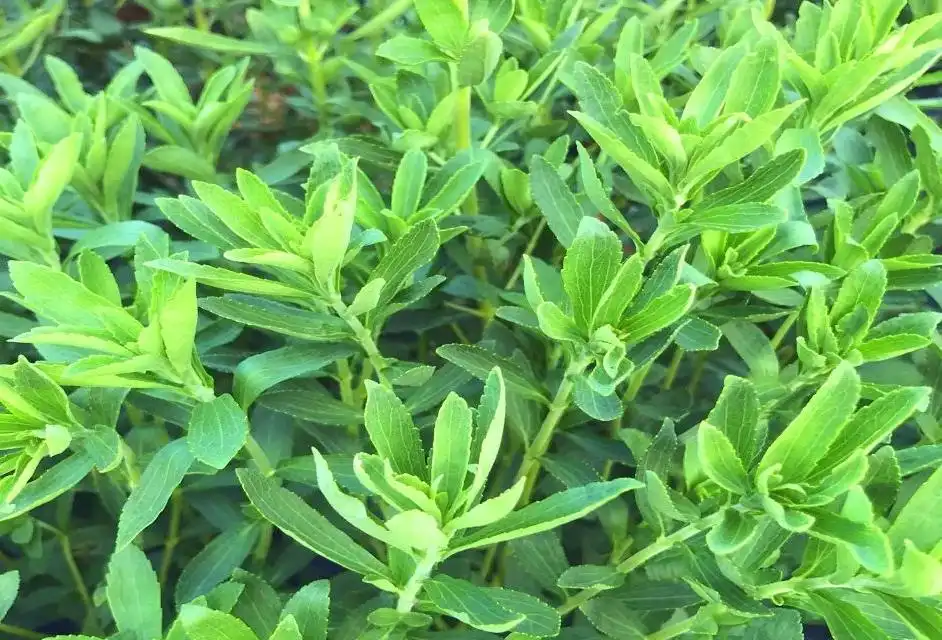
Bulk stevia extract powder comes from Stevia rebaudiana Bertoni leaves that have been cleaned and extracted with advanced water technologies. This method separates certain steviol glycosides, mostly Rebaudioside A, D, and M. These have 200 to 400 times the sweetness of sugar without any calories. Advanced spray-drying methods create fine hygroscopic powders with particles that are usually between 80 and 100 mesh, which means they dissolve quickly in cold water production settings. Total Steviol Glycosides (TSG) purity levels of ≥95% are reached with this production method, which keeps the non-nutritive sweetness while making a stable ingredient that can be used in a wide range of commercial settings.
Technical Specifications and Physical Properties
With freezing points between 198°C and 202°C, high-quality bulk stevia extract powder is very stable at high temperatures. This makes it perfect for high-temperature baking and UHT processing, where other sweeteners break down. Over long periods of time, the powder keeps its chemical structure in acidic drinks with pH levels ranging from 3 to 9. This shows that it is very resistant to breakdown. Unlike fermentable sugars, stevia extract doesn't combine with Maillard reactions, which keeps food from turning brown when it's heated. Because of this property, formulators need to add binding agents like allulose or erythritol to make the cookies have the same crumb shape and moisture retention that traditional sweeteners do in baking.
Health Benefits and Functional Advantages
The zero glycemic index nature of bulk stevia extract powder meets important market needs for goods that are suitable for diabetics and those on the ketogenic diet. Clinical studies have shown that it is safe for the metabolism and has no effect on blood glucose or insulin levels, even when high amounts are consumed. The clean-label positioning gets rid of the worries about artificial sweeteners like aspartame and sucralose, meeting customer standards for claims of natural ingredients. Modern methods for making Reb M or Glucosyl Stevia greatly reduce the metallic or liquorice-like aftertaste that was traditionally linked to lower-grade steviosides. This makes it possible for them to be successfully added to delicate flavour profiles like fruit drinks and dairy alternatives without affecting the taste or texture.
How to Choose the Right Bulk Stevia Extract Powder Supplier Online
Certification Requirements and Quality Validation
When making purchases, companies must make sure that their sellers have a lot of certifications that show they follow the rules and have good quality control systems. FSSC22000 for managing food safety, ISO9001 for quality systems, and cGMP for pharmaceutical-grade production standards are all important qualifications. Organic certification from reputable organisations verifies chemical-free farming and processing, while HALAL and KOSHER certifications make the market more accessible for certain groups of customers. These credentials help you narrow down the list of possible sellers, but certification alone isn't enough. Active verification through buyer audits and third-party laboratory testing shows that ongoing compliance goes beyond paperwork.
Production Capacity and Supply Chain Reliability
By matching the production ability of your suppliers with the amount you need, you can avoid supply problems that throw off your manufacturing schedules. Manufacturers who keep more than one ton of standard specs in stock can fill orders within 10 days of receiving payment confirmation. This gives them practical freedom when demand changes. Customised recipes usually take 20 working days to make and deliver, but some providers offer fast "green channel" services that can deliver urgent small-batch orders in 7 to 10 days. By knowing these dates, procurement managers can make sure that buying plans and production schedules are in sync. Also, looking at backup suppliers lowers the risks of being dependent on a single source.
Purity Grades and Specification Options
For various uses, different purity levels are needed that match how well the product smells and tastes with how much it costs. Bulk stevia extract powder Rebaudioside A, with purity levels ranging from 60% to 99%, offers different levels of sweetness and flavour. Higher purity grades give cleaner taste profiles with less bitterness, which is important for drinks and dairy uses where off-notes become noticeable. For example, new steviol glycoside profiles that include Reb D and Reb M have better taste but cost more. Professionals in procurement have to look over specification sheets and use HPLC assay data to confirm exact glycoside ratios. They have to make sure that the grade they choose meets product taste goals while staying within budget for all production amounts.
Bulk Stevia Extract Powder vs Other Natural Sweeteners: Making the Right Choice
Comparative Sweetness Intensity and Taste Profiles
Understanding relative sweetness equivalents is important for creating goods because it helps with dosage rates and cost-per-serving estimates. Depending on the glycoside makeup, bulk stevia extract powder can be 200 to 400 times sweeter than sucrose. Monk fruit extract, on the other hand, can be 150 to 300 times sweeter and has clear fruity notes. Even though erythritol is only 70% as sweet as sugar, it adds bulk and a cooling feeling that works well with high-intensity sweeteners in mixed systems. The temporal sweetness profile is very different. Stevia has a delayed start with lingering sweetness, while artificial sweeteners like sucralose have an instant effect. Because of these properties, combining ingredients can be tricky. For example, many popular recipes mix stevia and erythritol in a 1:3 ratio to get balanced sweetness curves that look like sugar while still using the natural label.
Functional Performance in Complex Matrices
Application-specific efficiency is what separates good sugar choices from bad ones. In whey or pea protein drinks, which are high in protein, bulk stevia extract powder, especially Reb M or D grades, hides earthy notes and protein taste better than monk fruit or erythritol alone. Acidic soft drinks can use stevia because it doesn't break down in acidic conditions and stays sweet for 18 months without turning into steviol. This is a big advantage over aspartame, which breaks down in acidic conditions. Stevia is stable at temperatures up to 200°C, which makes it useful for baking. However, formulators must deal with volume loss by adding structural stiffening agents that work like traditional sugars during Maillard reactions to caramelise and hold on to moisture.
Cost-Efficiency and Market Availability Analysis
Bulk stevia extract powder costs vary by pure quality, quantity, and vendor reputation. Standard Reb A 97% grades cost $45–$75 per kilogram with a 100-kilogram minimum purchase. Premium Reb M formulations cost $120–$180 per kilogram. Mixed systems are beneficial for saving money since erythritol costs $8 to $15 per kilogram. Volume discounts greatly impact the purchase price. Negotiated contracts may lower prices by 15% to 25% for orders exceeding 500 kg. Stevia extract is easy to commercialise since Paraguay, China, and Kenya have cultivation networks. However, monk fruit supply is still concentrated, and prices are erratic, putting formulators who employ just one sweetener at risk.
Where and How to Buy Bulk Stevia Extract Powder Online: Trusted Platforms and Tips
B2B E-Commerce Platforms and Direct Manufacturer Portals
Each of the three professional purchasing techniques for bulk stevia extract powder has its own merits. Established business-to-business (B2B) marketplaces aggregate multiple suppliers on a single platform with consistent screening, transaction rights, and price comparison tools to help identify a vendor. Direct manufacturer websites let you visit manufacturing facilities, conduct technical chats, examine facilities, and create unique specs that marketplaces can't. In the middle are specialised distributor networks. Buyers who don't have time or resources to interact directly with manufacturers benefit from their carefully selected suppliers and value-added services like combined shipping and flexible payment periods.
Supplier Verification and Risk Mitigation Strategies
More than basic internet inspections are needed to safeguard purchase expenditures. Request the latest Certificate of Analysis papers with HPLC test results, heavy metal data (Lead <1 ppm, Arsenic <1 ppm), and bacteria reports (Total Plate Count <1000 CFU/g, no pathogens). Check a business's registration against corporate databases and verify a certificate by phoning the issuer. Before making significant purchases, get samples to discover how nice the product is. Solubility, taste, and smell should be tested using your formulation matrix, and a third-party lab should verify that the product satisfies all standards. This multi-layer inspection approach detects misrepresentation early to prevent inexpensive supply chain issues caused by faulty materials.
Negotiation Tactics for Favourable Contract Terms
Strategic bargaining for bulk stevia extract powder goes beyond unit costs. Negotiating the total cost of ownership across all source relationships is also required. Ask for detailed quotations that include the price per kilogram, packaging options, goods carrier, payment arrangements, and quality guarantee conditions to start the dialogue. Better pricing is typically found with volume commitments. Having 12-month demand projections and quarterly buy orders indicates seriousness, and dealers will save you 10% to 20% above spot purchases. Request lower minimum order quantities by accepting longer wait periods or standard packing options that reduce provider handling costs. Clarify quality acceptance requirements in purchasing agreements. Set rejection and replacement dates to safeguard production plans and provide sellers with reasonable compliance restrictions.
Ensuring Quality and Compliance: What B2B Clients Must Know
Comprehensive Quality Control Protocols
Pharmacopeial standards must be observed for USP/NF, EP, and JECFA bulk stevia extract powder characteristics. This begins with tight quality control. The steviol glycoside profiles are validated by HPLC. Higher Reb A levels reduce bitterness and increase pure sweetness, affecting food flavour. To comply with EU and North American import regulations, heavy metal contamination testing must indicate Lead, Arsenic, and Cadmium below 1 ppm. Residual solvent analysis monitors ethanol and methanol levels below parts-per-million limits. The separation method is clean and leaves no chemical residue. Monitoring Loss on Drying (<6%) prevents component clumping and microbial growth during bulk storage. The substance remains functional throughout its shelf life.
Regulatory Compliance Across Global Markets
To operate with international regulations, you must know how they affect product registration, labelling, and documentation in each country. High-purity steviol glycosides are GRAS medicines under FDA guidelines. They may be used in conventional foods if they fulfil labelling regulations. Ingredient labels in Europe must have E960 for EFSA approval. Food groups have different maximum usage quantities, with drinks permitting greater concentrations than baked items. Health certificates, phytosanitary certificates for plant-derived items, and customs-cleared country-of-origin declarations must be included in import papers. Constantly monitoring regulatory developments may save you money on reformulation. For instance, recent JECFA standard modifications modified the permitted steviol glycoside profiles, requiring supply chain adjustments to comply.
Traceability Systems and Supply Chain Transparency
Today, purchasing things demands comprehensive traceability, which links finished goods to their agricultural origins via well-documented custody lines. Lot coding systems enable quality assessments and regulatory requests by rapidly finding harvest batches, processing dates, and quality test results. Blockchain-powered tracking systems are available from progressive manufacturers. These systems document the whole supply chain, from leaf growth to extraction, cleaning, and packaging. Openness helps third-party audits and client due diligence evaluations demonstrate proactive quality management that goes beyond achieving regulations. A strong supplier connection and extensive documentation defend the brand's reputation and allow product claims regarding ethical sourcing, environmental practices, and quality control.
Conclusion
You must evaluate the supplier's technical characteristics, qualifications, capacity to obey rules, and long-term partnership before buying bulk stevia extract powder. Buyers may purchase from direct producers or B2B platforms. Each offers advantages depending on volume, customisation, and supply chain objectives. Quality goes beyond money. It also involves reviewing certificates, HPLC analysis to ensure product purity, and tracking systems to preserve brand identities worldwide. Strategically negotiating huge promises and flexible payment arrangements saves money. Sample testing reduces quality risks before significant commitments. Shopping online for high-purity stevia extract that fulfils formulation and regulatory criteria is safe for procurement experts using the assessment frameworks and verification procedures in this guide.
FAQ
1. Is bulk stevia extract powder safe for diverse food applications?
A lot of chemical studies and regulatory reviews show that bulk stevia extract powder is safe for all kinds of foods when used according to the rules that have already been set. The Joint FAO/WHO Expert Committee on Food Additives (JECFA) set an Acceptable Daily Intake of 4 mg/kg body weight after thorough safety studies showed that there were no negative effects at intake levels much higher than normal food exposure. In tests with animals from different generations, the chemical does not cause genotoxicity, carcinogenesis, or problems with reproduction. It can be used in a lot of different situations, from acidic drinks to high-temperature baked goods, and it doesn't break down into dangerous byproducts. This means it can be safely used in manufacturing processes that would damage less stable sweets.
2. What are typical lead times for bulk stevia extract powder online orders?
Standard specification orders from makers with enough stock usually ship within 10 days of payment confirmation, as long as popular purity grades like Reb A 97% are in stock and ready to ship. To allow for production scheduling and quality checks, customised formulas that need specific glycoside profiles or specialised processing factors add about 20 working days to the lead time. Premium channels can speed up services for urgent needs by providing small batches within 7 to 10 days, but these faster timelines usually come with extra fees of 15% to 30% on top of the regular price. International shipping can take an extra 5 to 14 days, based on the transportation partners you use and how quickly you can clear customs at the target port.
3. Are customised purity grades or specialised formulations available?
Reputable makers keep their production options open so they can meet unique needs that go beyond what's in their catalogues. Buyers can ask for specific amounts of Rebaudioside A purity, mixed glycoside profiles that focus on Reb D or Reb M content, or custom formulations that include carriers like maltodextrin to make the product move better. Customising the particle size through controlled spray-drying parameters makes the dissolution properties work best for each application. For example, beverage makers often ask for finer mesh sizes so that the particles can dissolve in cold water, while baking applications can handle larger particles. For custom specs, the smallest order size is usually 200 to 500 kilograms, and the price is 10% to 25% higher than normal grades to cover the costs of dedicated production runs and developing the specifications.
Partner with Asianbios for Premium Bulk Stevia Extract Powder Supply
Asianbios is a reliable source for bulk stevia extract powder because they combine advanced bioengineering knowledge with strict quality standards that meet international CE, FDA, and ISO standards around the world. Our Asianbios plant uses state-of-the-art carbon dioxide supercritical extraction technology to get the purest samples possible. The Total Steviol Glycosides levels are higher than 95%, and the Rebaudioside A levels can be changed from 60% to 99%. We keep strategic inventory reserves of more than one ton for standard specs. This lets us deliver quickly (10 days), so your production plans don't have to be slowed down.
Our many certificates, such as cGMP, FSSC22000, HALAL, KOSHER, and Organic, make sure that the products you buy meet global safety standards for functional foods, dietary supplements, drinks, and makeup. Our MOQ policies are flexible enough to allow for trial orders at reasonable prices, and our ODM/OEM capabilities allow for unique formulas in tablets, capsules, powders, and gummies that meet the needs of your business. Our partnerships with DHL, FedEx, and SF Express ensure effective foreign logistics. In addition to supplying ingredients, our technical team offers professional formulation solutions, laboratory proof, and production line consultation services.
Send an email to plantex@asianbios.com to get specific quotes, set up testing of samples, and look into volume price models made for long-term B2B partnerships. Feel the difference when you use responsive communication, clear progress tracking, and technical knowledge in your bulk stevia extract powder for sale buying strategy. Your competitive edge starts with source relationships that value quality, dependability, and new ideas.
References
1. Carakostas, M.C., Curry, L.L., Boileau, A.C., and Brusick, D.J. (2008). "Overview: The History, Technical Function and Safety of Rebaudioside A, a Naturally Occurring Steviol Glycoside, for Use in Food and Beverages." Food and Chemical Toxicology, 46(Supplement 7), S1-S10.
2. Joint FAO/WHO Expert Committee on Food Additives (2009). "Safety Evaluation of Certain Food Additives: Steviol Glycosides." WHO Food Additives Series, 60, World Health Organisation, Geneva.
3. Prakash, I., DuBois, G.E., Clos, J.F., Wilkens, K.L., and Fosdick, L.E. (2008). "Development of Rebiana, a Natural, Non-Caloric Sweetener." Food and Chemical Toxicology, 46(Supplement 7), S75-S82.
4. Lemus-Mondaca, R., Vega-Gálvez, A., Zura-Bravo, L., and Ah-Hen, K. (2012). "Stevia Rebaudiana Bertoni, Source of a High-Potency Natural Sweetener: A Comprehensive Review on the Biochemical, Nutritional and Functional Aspects." Food Chemistry, 132(3), 1121-1132.
5. Goyal, S.K., Samsher, and Goyal, R.K. (2010). "Stevia (Stevia rebaudiana) a Bio-Sweetener: A Review." International Journal of Food Sciences and Nutrition, 61(1), 1-10.
6. Ashwell, M. (2015). "Stevia, Nature's Zero-Calorie Sustainable Sweetener: A New Player in the Fight Against Obesity." Nutrition Today, 50(3), 129-134.

Send Inquiry
Related Industry Knowledge
- Why is Ergothioneine Powder Good for Brain Health?
- Benefits And Usage Of Dried Kale Powder
- Freeze Dried Kiwi Powder Guide 2026: Nutrition, Applications & Buying Tips
- Sleep Aid Brewing Powder Guide for Better Sleep Ritual
- Lysine Production Technology Price Factors Explained
- What are the benefits of apple powder?
- Top Glutathione Production Technology Methods
- Benefits of Glutathione Production Technology in Industry
- Benefits of Sleep Aid Capsule for Deep Sleep Support
- Benefits of Best Sleep Aid Tablets for Stress Relief