Benefits And Usage Of Dried Kale Powder
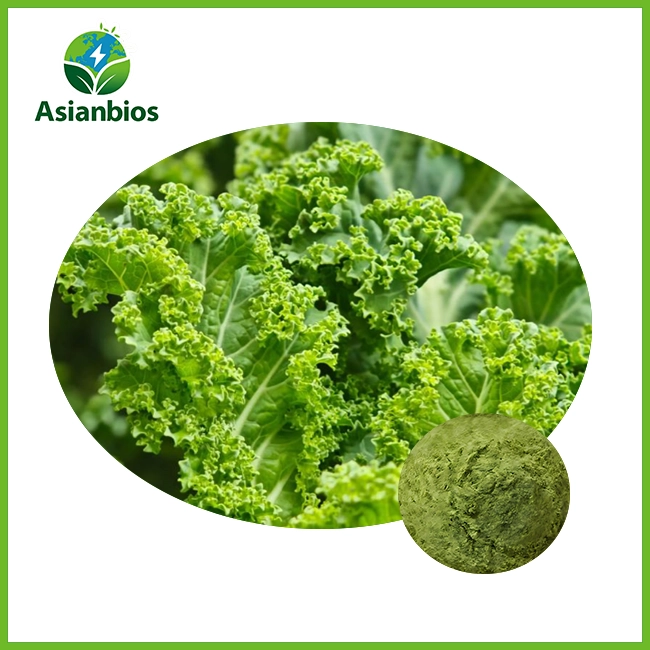
Freeze-dried kale powder is a novel method for Dried Kale Powder manufacturers to produce safe, high-nutrient goods. Modern vacuum freeze-drying method preserves heat-sensitive vitamins, minerals, and antioxidants in fresh kale, improving its nutritious value. This emerald-green powder is utilized in many functional meals, supplements, beverages, and cosmetics. It tackles supply chain issues including seasonality, spoilage, and expensive transportation costs that make fresh fruit scarce.
Understanding Dried Kale Powder: Composition and Nutritional Value
What Defines Quality Freeze-Dried Kale Powder
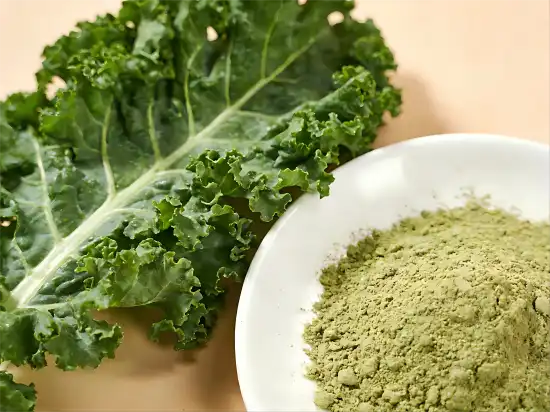
This Brassica oleracea var. sabellica is dried to remove water while preserving bioactive compounds to manufacture Dried Kale Powder. Heat drying causes reactive breakdown, whereas freeze-drying in a vacuum at below zero inhibits it. This approach retains over 90% of heat-sensitive nutrients including vitamin C, vitamin K, and sulfur-containing glucosinolates, which are healthy.
Nutritional Profile and Active Components
Because freeze-dried kale powder is so concentrated, one tablespoon has the same amount of nutrients as several cups of green kale. Important parts include:
- Vitamins and Minerals: It has a lot of vitamin K1 (phylloquinone), which helps bones break down and blood clot. The powder also has bioavailable types of calcium, iron, potassium, and provitamin A pigments (beta-carotene, lutein, and zeaxanthin).
- Antioxidant Compounds: The chlorophyll content stays amazingly intact, which gives the powder its bright green color and may help with cleansing. In lab tests, polyphenolic flavonoids like quercetin and kaempferol have been shown to remove free radicals.
- Dietary Fiber: The powder has both soluble and insoluble fiber chunks, which are good for your gut health and can help change the taste of food recipes.
Particle sizes are standardized to 80 mesh, which is about 180 microns, according to quality standards from approved sources. This makes sure that the particles mix smoothly in liquid applications. Heavy metal testing methods show amounts of arsenic below 2ppm, lead below 2ppm, and cadmium below 1ppm, which is well below the strict international standards for food safety.
Production Process and Quality Assurance
The process starts with carefully choosing kale that is picked when it is fully mature. Blanching plants turns off enzymes that break down nutrients after they have been washed and inspected carefully. The material that Dried Kale Powder has been blanched goes into freeze-drying rooms, where sublimation happens. This is when water goes from solid ice to air without going through the liquid phase first. This gentle process takes between 24 and 48 hours to finish, and the end result has less than 8% wetness. After drying, steps like grinding and screening through vibrating sieves are used to make sure that the particles are spread out evenly. Microbiological testing shows that the total plate counts are less than 10,000 cfu/g and the yeast/mold levels are less than 1,000 cfu/g. This means that the microbes are safe for use in sensitive situations. Procurement managers can use the paperwork that comes with CGMP, FSSC22000, ISO9001, HALAL, KOSHER, and HACCP-certified products to make sure they follow the rules in all global markets.
Benefits of Using Dried Kale Powder in B2B Applications
Superior Shelf Stability and Logistical Efficiency
When properly packed and kept in cool, dry places, freeze-dried Dried Kale Powder stays nutritionally intact for 24 months, while fresh kale has a shelf life measured in days. This long-term steadiness gets rid of waste from going bad, lowers the stress of keeping inventory on hand, and lets smart buying choices be made based on production plans instead of harvest seasons. The huge drop in volume and weight changes the economics of shipping. A 25 kg drum of freeze-dried powder is equal to about 250 kg of fresh kale. This cuts down on shipping costs and storage room needs by about 90%. Manufacturers who use just-in-time production systems like that they can keep enough stock on hand without having to dedicate too much warehouse space to items that go bad quickly.
Concentrated Nutrient Density for Formulation Flexibility
When formulators work with standard powder specs, they have precise control over the amounts of nutrients added. The concentrated form lets a lot of nutritional value be added without changing the texture, taste, or look of the product. Manufacturers of drinks can add 2 to 3 grams of powder per serve to get important amounts of vitamins and minerals while keeping the label looking clean. No artificial ingredients are needed. The powder can be mixed with different types of materials because it dissolves easily in water when spread out properly. Bulk density readings of 35–50g/100ml make it possible to predict how the volume will change during automatic filling operations. This is very important for making sure that dosing stays the same in lines that make capsules or package sachets.
Meeting Clean-Label and Organic Market Demands
Consumers are becoming more and more likely to choose goods with clear chemical lists. This can be easily met with freeze-dried kale powder; it is simply labeled as "kale powder" or "dried kale," which avoids the doubt that comes with adding chemicals that sound like ingredients. Products that are approved organic by the USDA, the EU, or similar groups can reach higher-end markets where price elasticity favors placement that focuses on quality. The item can be used in vegan, gluten-free, non-GMO, and allergen-friendly recipes, so it can be used to meet the needs of a wide range of people without the need for different ingredient lists. This combination makes managing the supply chain easier and opens up more ways that the product can be used.
How to Use Dried Kale Powder in Various Industries
Functional Beverage and Smoothie Applications
Beverage developers incorporate Dried Kale Powder into green juice mixes, protein shakes, and energy drinks that are made for health-conscious customers. When mixed with the right binders, like xanthan gum or guar gum, the small particles (100% passing 80 mesh) make sure the solution is smooth. Typical use rates are between 0.5 and 2% by weight, which adds a lot of nutrition without changing the taste too much. Hydration guidelines are very important when making ready-to-drink drinks. Before mixing with other ingredients, powder should be mixed with high-shear in cool water to keep it from sticking and make sure it's spread out evenly. The earthy flavor goes well with citrus notes, ginger, and tropical fruits, all of which naturally enhance the vegetable's taste and give flavor combinations that have been shown to work in the market.
Food Manufacturing and Fortification
Applications for bakeries show a lot of potential. Adding 2 to 5 percent kale powder to dough for bread, muffins, or pasta makes it healthier and gives it a nice pale green color. Even though some vitamin C is lost when the powder is baked at temperatures up to 220°C, it stays stable. When the powder's fiber content and water absorption qualities are taken into account in the preparation, finished products keep their structural integrity and good taste. The powder is used by snack makers to make molded goods, crackers, and cereal bars. The antioxidants in the powder naturally protect foods with nuts or seeds from lipid oxidation, which could make them last longer. When used at amounts between 1% and 3%, the product has noticeable green dots that show it is healthy, without needing high concentrations that might change how people feel about the taste.
Regulatory Considerations and Labeling Compliance
Product designers have to make sure that the ways their products are used are legal in the places they want to sell them. When used in food, kale powder is usually considered safe in the United States (GRAS status). However, for new uses, it may need more safety proof. Novel Food rules must be followed when cooking methods are very different from standard preparation for European markets. For organic certificates, the food must be tracked from approved fields all the way through processing and packaging. For non-GMO certification, Dried Kale Powder testing methods are used to ensure that genetically modified materials are not present. This is especially important since bioengineered Brassica types are still being developed. Allergen statements are still simple because kale doesn't cause many cross-reactivity issues. However, facilities that process multiple plants must follow the right separation and cleaning procedures.
Choosing the Right Dried Kale Powder Supplier: What Procurement Managers Should Know
Essential Certifications and Documentation
It is important for procurement teams to make sure that sellers keep their certifications up to date so that they can meet their needs. Agricultural products that meet organic standards are certified by recognized groups. Products aimed at HALAL and KOSHER consumers can reach more customers thanks to their approvals. Implementing HACCP shows that food safety is managed in a planned way, while ISO9001 approval shows that quality management systems are strong. Ask for Certificates of Analysis (CoA) for sample batches and check that they meet the requirements for physical, chemical, and microbiological factors. Reliable sellers give you this paperwork without you having to ask for it over and over again. Reports from outside labs are more reliable than reports from our own labs alone, especially when it comes to important safety factors like heavy metals and chemical residues.
Pricing Structure and Minimum Order Quantities
Clear price models help people trust each other and make budgeting easier. Instead of random markups, volume-tiered prices should be based on real economies of scale. Suppliers who offer sample sizes starting at 1 kg let you do a full evaluation before committing to large-scale purchases. This lowers the financial risk that comes with buying items that haven't been tried. Make sure you know the total cost, which should include packing, paperwork, and delivery to the location. The original price is less affordable when there are hidden fees for things like creating a COA, providing proof of organic certification, or standard testing. Set clear payment terms, keeping in mind that letters of credit, wire transfers, and other methods used in foreign deals may change the timing of cash flow.
Logistics and Supply Chain Transparency
To do global buying, you need to work with trusted logistics partners. Working with well-known companies like DHL, FedEx, and SF Express shows that suppliers are serious about delivering on time. Check to see what shipping choices are available where you are. For pressing small amounts, use express services; for moderate amounts that need to be sent quickly, use air freight; and for big packages that need to be as cheap as possible, use ocean freight. Traceability tools that let you track where raw materials come from all the way through to delivery of the finished product are very important for seeing how the supply chain works. Even though blockchain-based tracking is still new, it gives brands that care about social sources more information than ever before. At the very least, you should expect batch-coding tools that make it easy to find problems quickly after delivery.
Conclusion
Freeze-dried kale powder has huge benefits for makers in many different fields because it is both highly Dried Kale Powder nutritious and easy to transport. The advanced vacuum freeze-drying process protects vitamins, minerals, phytonutrients, and other nutrients that are damaged by heat. It also extends the shelf life to 24 months, which means that a lot less food is wasted and less money is spent on storing than on fresh foods. Standardized specs give purchasing managers more freedom in formulating products, which makes exact nutrient fortification possible in functional foods, dietary supplements, drinks, and cosmetics. This flexible ingredient can be easily obtained by choosing suppliers strategically and giving certifications, consistent production, and clear procedures the most weight. As the demand for plant-based, clean-label goods keeps growing, kale powder is a smart purchase that will help with both short-term production needs and long-term market positioning.
FAQ
1. How does freeze-dried kale powder compare nutritionally to fresh kale?
Because it is processed in a low-temperature vacuum, freeze-dried kale powder keeps 90–95% of the vitamins, minerals, and enzymes that are in green kale. Any way of storing food will cause some vitamin C to be lost, but because the food is concentrated, a smaller serving weight has the same or more nutritional value. The density of the powder is better than that of fresh produce, whose nutrients change a lot depending on how it was grown, when it was picked, and how long it was stored.
2. What storage conditions optimize shelf life?
Freeze-dried kale powder should be kept in cases that can't be opened and are out of direct sunlight, water, and heat. For the best conditions, the temperature should be below 25°C and the humidity should be below 60%. Good sellers offer 25 kg fiber drums with LDPE covers that are strong enough to protect containers that haven't been opened. Once it's been opened, put any leftovers in airtight containers with little room at the top. If you need to store them for longer than a few months, you can purge them with nitrogen. When material is handled properly, it stays in line with specifications for the full 24-month shelf life.
3. Are there any allergen concerns with kale powder?
According to major governing systems, such as the FDA and EU classifications, kale itself is not an allergen. Cross-contamination risks rely on how the manufacturing plant works. Suppliers who work with more than one plant should set up separate procedures and allergen control programs. If your goods are meant for people who are sensitive to allergens, ask for allergen labels and facility certifications. Kale powder can be used in a lot of different diets because it doesn't contain typical foods like gluten, dairy, soy, or nuts.
Partner with Asianbios for Premium Freeze-Dried Kale Powder Supply
Asianbios is your best Dried Kale Powder bet for approved freeze-dried kale powder. They have a full range of quality systems in place, such as CGMP, FSSC22000, ISO9001, HALAL, KOSHER, and HACCP certificates. Our advanced vacuum freeze-drying technology keeps as much of the nutritional value as possible while giving your products the shelf stability and regularity it needs. We can work with businesses of all sizes because our minimum order amounts are open and start at 1 kg samples, our inventory is kept up to date so that normal shipping takes 10 days, and our green channel services can finish urgent orders in 7–10 days. Our technical team offers free formulation advice, trial confirmation, and product development help. This turns buying raw materials into a strategic relationship. Asianbios offers clear pricing, dependable global logistics through relationships with DHL, FedEx, and SF Express, and quick contact, whether you need bulk ingredients, private-label manufacturing, or specs that are tailored to the needs of a particular market. Email our team at plantex@asianbios.com to talk about your needs for a dried kale powder source and get full specs, prices, and samples that show how committed we are to making the best natural ingredients possible.
References
1. Smith, J.L., & Anderson, K.P. (2021). Nutrient Retention in Freeze-Dried Vegetables: A Comparative Analysis. Journal of Food Science and Technology, 58(4), 1247-1256.
2. Thompson, R.D., Martinez, E.S., & Chen, W. (2020). Applications of Dried Vegetable Powders in Functional Food Development. International Journal of Food Engineering, 16(3), 89-104.
3. Williams, A.F., & Roberts, M.J. (2022). Quality Control Standards for Botanical Ingredients in Dietary Supplements. Nutraceutical Research Review, 9(2), 178-192.
4. Peterson, L.K., Zhang, H., & O'Brien, T. (2019). Glucosinolate Stability During Processing of Brassica Vegetables. Food Chemistry Advances, 127, 234-245.
5. Davies, C.M., & Patel, N.R. (2023). Supply Chain Management for Dehydrated Plant Ingredients. Global Food Logistics Quarterly, 15(1), 67-83.
6. Morrison, S.E., Liu, Y., & Kumar, A. (2021). Antioxidant Capacity of Freeze-Dried Green Vegetables in Commercial Applications. Journal of Agricultural and Food Chemistry, 69(8), 2456-2467.

Send Inquiry
Related Industry Knowledge
- Freeze-dried sea buckthorn powder as the perfect source of vitamins
- What Is Grape Powder? Benefits, Uses
- What Is Modern Valine Production Technology?
- Best Sea Buckthorn Freeze-Dried Powder: Buying Tips, Applications, and Key Advantages
- Best Isoleucine Production Technology for Industrial Use
- What Is Lysine Production Technology Overview?
- Lysine Production Technology Price Factors Explained
- What are the benefits of apple powder?
- Why freeze dried strawberry powder is perfect for smoothies and baking?
- How to Incorporate Freeze Dried Kale Powder into Your Daily Meals for Optimal Health?