Berberine Hydrochloride Extract 97%: Uses, Quality Standards & Supplier Guide
Berberine Hydrochloride Extract 97% is a pure plant ingredient that functional food companies, dietary supplement brands, and drug companies are all looking for more and more. Advanced spray drying technology makes this regulated Berberine Hydrochloride Extract Powder consistently bioactive. It supports metabolic health and is backed by a clinical study. As people who work in procurement look for safe raw materials that meet strict quality standards, it's important to know the specs, how they can be used, and how to find them so that products can be made successfully and regulations are followed.
Understanding Berberine Hydrochloride Extract 97%
What Makes This Extract Unique
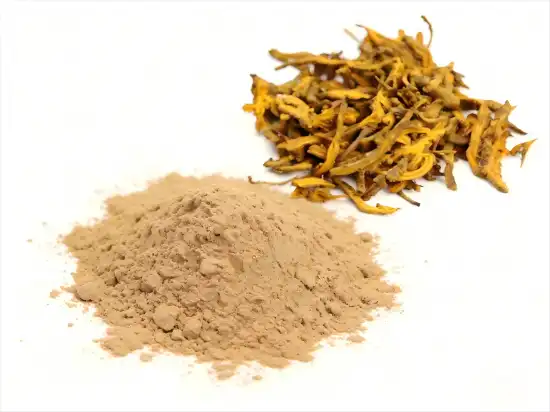
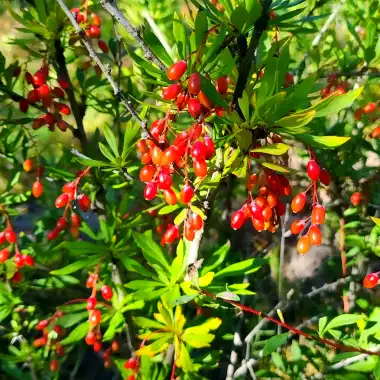
Berberine hydrochloride belongs to the isoquinoline alkaloid family and is mainly extracted from Berberis species and related medicinal plants. The standardized 97% purity level ensures pharmaceutical-grade consistency compared with general botanical extracts.
| Key Parameter | Specification |
|---|---|
| Purity | 97% HPLC verified |
| Source | Berberis species |
| Form | Quaternary ammonium salt |
| Appearance | Yellow-orange powder |
| Stability | High under standard storage |
HPLC testing ensures accurate active compound concentration, making it suitable for controlled supplement and functional food formulations.
Core Bioactive Mechanisms
Berberine Hydrochloride Extract Powder works through multiple biological pathways, mainly by activating AMP-activated protein kinase (AMPK), which regulates energy metabolism.
Key mechanisms include:
- Improved glucose utilization
- Enhanced lipid metabolism
- Regulation of gut microbiota
- Support for insulin sensitivity
Unlike single-target compounds, berberine operates through a multi-pathway metabolic regulation system, making it highly valuable in modern health formulations.
Safety Profile and Clinical Support
Clinical studies show berberine is generally safe when used within 900 mg–1500 mg daily, typically divided into multiple doses.
| Aspect | Description |
|---|---|
| Recommended dosage | 900–1500 mg/day |
| Common side effects | Mild gastrointestinal discomfort |
| Safety level | High under standard use |
| Long-term use | Supported in studies |
This safety profile allows its use in long-term metabolic support formulations, particularly in blood sugar and cardiovascular health products.
Quality Standards and Purity Requirements for Berberine Hydrochloride Extract 97%
Purity Specifications That Matter
The 97% standard represents high pharmaceutical-grade quality achieved through refined extraction and purification processes. Each gram contains approximately 970 mg active berberine hydrochloride, ensuring strong and consistent biological activity.
Higher purity reduces unnecessary plant residues and improves formulation efficiency, especially in capsule and tablet production.
Essential Certifications and Compliance
Global procurement requires strict compliance with international standards.
| Certification | Function |
|---|---|
| cGMP | Pharmaceutical manufacturing compliance |
| ISO9001 | Quality management system |
| FSSC22000 | Food safety system |
| HACCP | Risk control system |
| HALAL / KOSHER | Market accessibility |
These certifications ensure traceability, contamination control, and global regulatory alignment.
Analytical Testing Protocols
Quality verification relies on multi-layer laboratory testing:
- HPLC: Active compound quantification
- UV spectroscopy: Identity confirmation
- Atomic absorption: Heavy metal detection
- Microbial testing: Safety validation
Key limits include:
- Lead < 2 ppm
- Arsenic < 1 ppm
- Moisture ≤ 5%
- Particle size: 80 mesh standard
These parameters ensure batch consistency and regulatory compliance.
Comparative Analysis: Berberine Hydrochloride Extract vs Alternatives
Berberine Forms Comparison
Berberine hydrochloride shows superior performance compared with sulfate or free-base forms due to improved solubility and absorption.
| Form | Solubility | Bioavailability | Stability |
|---|---|---|---|
| Hydrochloride | High | High | Strong |
| Sulfate | Medium | Medium | Moderate |
| Free base | Low | Low | Lower |
This makes hydrochloride form more suitable for capsules, tablets, and functional beverages.
Berberine vs Pharmaceutical Metabolic Agents
Berberine provides a natural alternative that supports metabolic regulation through mechanisms similar to metformin while also influencing gut microbiota.
Its dual action supports:
- Energy metabolism regulation
- Gut microbial balance
- Glucose and lipid control
This makes it attractive for natural health supplement positioning.
Botanical Alternatives Landscape
Compared to other botanical ingredients, berberine has significantly higher potency per dose.
- Turmeric: antioxidant-focused, lower metabolic effect
- Cinnamon: mild glucose support
- Alpha-lipoic acid: metabolic antioxidant support
- Berberine: multi-target metabolic regulation
Its high concentration allows lower dosage formulations and improved compliance.
Procurement Guide for Bulk Buyers and B2B Clients
Global Sourcing Considerations
China remains the dominant production base due to mature botanical extraction infrastructure and raw material availability.
| Region | Advantage | Limitation |
|---|---|---|
| China | Cost efficiency, supply scale | Export logistics |
| Europe | Faster distribution | Higher cost |
| North America | Regulatory familiarity | Limited production base |
Asianbios and similar suppliers maintain large inventory stocks (over 1 ton) to ensure fast fulfillment.
Bulk Purchase Structures
Standard packaging starts with 25 kg fiber drums with moisture-resistant LDPE inner cases. This saves money on shipping costs and keeps the product's quality. Bulk buyers who buy several tons at a time often negotiate custom packing solutions, such as nitrogen-flushed metal foil bags that protect against oxidation better. Orders can be as small as 1 kg samples or as big as whole containers. This gives us the ability to handle everything from R&D tests to large-scale business production. Pricing systems are based on levels of output, with big price cuts happening at 100 kg, 500 kg, and ton promises.
Supplier Evaluation Framework
To find trustworthy Berberine Hydrochloride Extract Powder sellers, you need to carefully look at a lot of different factors. Verification of certification proves the legality of manufacturing and the application of a quality system. Evaluating providers' production ability makes sure they can keep up with rising demand without sacrificing quality. Ask for Certificate of Analysis records from the most recent batches to check how thorough the testing was and how well the specifications were met. Professional suppliers offer technical data sheets, stability studies, and regulation support documents. Being able to respond quickly to communication requests shows that operations are running smoothly. Established producers like Asianbios have been in business for more than ten years and offer a wide range of services to show that they can do these things.
International Logistics Excellence
To buy things across borders, you need to know about shipping rules and how to go through customs. Through our relationships with DHL, FedEx, and SF Express, we can quickly send pressing items via fast air services. For regular large orders, ocean freight is the most cost-effective option. After payment, standard merchandise packages leave within ten business days. Customized formulations, on the other hand, take twenty to thirty days to finish production.
Practical Applications and Case Studies for Industry Use
Dietary Supplement Formulations
The main component of blood sugar control supplements is Berberine Hydrochloride Extract Powder, which is usually 500 mg per tablet and should be taken twice a day. The small particles that can pass through 80-mesh screens mix evenly in capsule fills, which stops stratification during automatic sealing processes. Manufacturers of tablets like how it can be compressed and still have a good stiffness level when mixed with the right binders and disintegrants. The orange-yellow color gives the product a natural look without using any chemical dyes.
Functional Food Integration
Berberine is added to functional drink mixes that aim to improve digestive health, with the help of its ability to dissolve easily in water for smooth mixing in liquids. To cover up the bitter taste, you need to add flavors that go well with it, like cinnamon or lemon. Health bar makers put the extract in chocolate or nut-based mixes because the fat in those mixes lessens the taste. Berberine concentrations in functional foods that work well stay between 200 and 300 mg per dose, matching how well they work with how good they taste.
Cosmetic and Personal Care Applications
New cosmetic uses take advantage of Berberine Hydrochloride Extract Powder's antibacterial and anti-inflammatory qualities to make acne treatments and products for healthy scalps. When properly dissolved, the extract stays stable in oil-in-water emulsions and keeps working with normal makeup preservation methods. Topical products have concentrations between 0.5% and 2%, which are good for conditioning the skin without irritating it. This type of application is becoming more popular as beauty brands look into plant actives that have been shown to have biological action.
Feed and Pet Nutrition Markets
Berberine is being used more and more by animal feeding companies as a natural option to antibiotics as a growth promoter in feeds for chickens, pigs, and fish. The chemical has broad-spectrum antimicrobial activity and helps keep the gut barrier strong, which makes it easier for the body to absorb nutrients. Feed-grade Berberine Hydrochloride Extract Powder can handle the high temperatures used in pelleting processes that are popular in making industrial feed. It keeps its bioactivity at temperatures above 80°C. Depending on the type of animal and the goals of production, inclusion rates are usually between 50 mg and 200 mg per kilogram of finished feed.
OEM and Private Label Success Models
Manufacturers who make supplements on contract say that combining Berberine Hydrochloride Extract Powder with pill, tablet, and powder delivery methods works well. One medium-sized OEM client created a metabolic support blend with chromium picolinate, alpha-lipoic acid, and berberine. This blend was well received by the market and sold through big retail platforms. Our flexible minimum order numbers, which start at 1 kg samples, are good for private label programs because they let brand owners try formulations before committing to commercial production volumes. Turnkey services, such as recipe development, stability testing, and package design, help new supplement companies get their products to market faster.
Conclusion
Berberine Hydrochloride Extract 97% is an ingredient that has been proven to work by science and meets the needs of today's nutrition and functional food markets. With strong clinical evidence, pharmaceutical-grade quality standards, and a wide range of possible uses, this plant extract is a smart choice for companies that want to target metabolic health categories. To make a good purchase, you need to pay attention to quality certifications, analytical proof methods, and the production skills of the seller. As people learn more about berberine's health benefits, brands that use it early on can gain a competitive edge in the blood sugar control and gut wellness markets.
FAQ
1. What is the optimal dosage for supplement formulations?
Berberine hydrochloride doses of 900 mg to 1500 mg per day, split into two or three doses, are usually used in clinical studies. Supplement companies usually make 500mg pills, and two to three capsules a day with food is what they suggest. In line with published study methods, this dosing structure strikes a good mix between effectiveness and ease of use for the customer.
2. How can I verify extract purity and authenticity?
Ask for Certificates of Analysis that show HPLC test results that show the concentration of berberine hydrochloride is at least 97%. Reliable sellers have third-party labs check their work and keep records that connect batches of finished extract to the plant materials that were used to make them. A close look should show a uniform orange-yellow powder that is free of any blemishes or alien particles.
3. Which certifications are essential when evaluating suppliers?
Give more weight to sellers who have cGMP approval, which shows that they follow standards for making pharmaceuticals, as well as those who have implemented an ISO9001 quality management system. Food safety rules are confirmed by HACCP and FSSC22000 certifications, while HALAL and KOSHER labels make products more available in more markets. All of these qualifications show that the company has a strong dedication to regulatory compliance and a complete quality control system.
Partner With Asianbios for Premium Berberine Hydrochloride Extract Powder Supply
Asianbios links business-to-business buyers with licensed companies that make pharmaceutical-grade Berberine Hydrochloride Extract Powder that is 97-98% pure, as shown by HPLC research. Our network of suppliers keeps a lot of stock on hand, so normal specs can be delivered in ten days. Custom formulations take twenty to thirty days to finish. We help with OEM and ODM production of capsules, tablets, powders, and gummies, and we offer full technical support from recipe creation to stability testing. Contact our buying experts at plantex@asianbios.com to talk about your needs with experienced providers who can offer reasonable prices, full certification paperwork, and reliable global logistics through partnerships with major carriers.
References
1. Zhang Y, Li X, Zou D, et al. Treatment of type 2 diabetes and dyslipidemia with the natural plant alkaloid berberine. Journal of Clinical Endocrinology & Metabolism, 2008, 93(7): 2559-2565.
2. Yin J, Xing H, Ye J. Efficacy of berberine in patients with type 2 diabetes mellitus. Metabolism: Clinical and Experimental, 2008, 57(5): 712-717.
3. Lan J, Zhao Y, Dong F, et al. Meta-analysis of the effect and safety of berberine in the treatment of type 2 diabetes mellitus, hyperlipemia and hypertension. Journal of Ethnopharmacology, 2015, 161: 69-81.
4. Kumar A, Ekavali, Chopra K, et al. Current knowledge and pharmacological profile of berberine: An update. European Journal of Pharmacology, 2015, 761: 288-297.
5. Xu JH, Liu XZ, Pan W, et al. Berberine protects against diet-induced obesity through regulating metabolic endotoxemia and gut hormone levels. Molecular Medicine Reports, 2017, 15(5): 2765-2787.
6. Cicero AFG, Baggioni A. Berberine and its role in chronic disease. Advances in Experimental Medicine and Biology, 2016, 928: 27-45.
About the Author

Asianbios
Our purpose is to forge a legacy of stewardship, advancing initiatives that honor and preserve the ecological integrity of our planet.

Send Inquiry
Related Industry Knowledge
- Production Technology of Erythritol and its Applications
- Ergothioneine Benefits for Longevity, Brain and Skin Health
- Why is Ergothioneine Powder Good for Brain Health?
- Berberine Hydrochloride Extract Supplements: Health Benefits & Trends
- Where can I buy high-quality ergothioneine powder online?
- Is powdered kale good for you?
- What is Sleep Aid Capsule? Complete Beginner Guide
- Benefits of Advanced Vitamin C Production Technology
- Top Glutathione Production Technology Methods
- Uses of Lysine Production Technology in Animal Nutrition