Best Berberine Hydrochloride Extract: The Complete Buyer's Guide
Procurement experts need a reliable partner that can provide pharmaceutical-grade quality and consistent specs when they need to buy Berberine Hydrochloride Extract Powder. This standard plant substance, an isoquinoline alkaloid with 97-98% HPLC purity, is now an important part of supplements for heart health, digestive health, and metabolic health. For functional food companies, dietary supplement brands, and OEM makers that serve the competitive U.S. market, knowing the technical parameters, quality markers, and source capabilities turns choosing raw materials from a guessing game into a strategic advantage.


Understanding Berberine Hydrochloride Extract Powder
What Makes Berberine Hydrochloride Unique
This bright orange-yellow powder is Berberine Hydrochloride Extract Powder in its hydrochloride salt form. It is mostly taken from plants like Coptis chinensis and Berberis aristata. It has a molecular formula of C20H18ClNO4 and a melting point of about 205°C. The molecular weight is 371.81 g/mol. The hydrochloride form of berberine is better at being dissolved in water and absorbed by the body than the free-base form. These are two important factors for the medicinal effectiveness of finished products.
For procurement teams, understanding the core specifications helps evaluate whether a raw material can meet formulation requirements and maintain consistent product quality.
| Specification | Details |
|---|---|
| Product Name | Berberine Hydrochloride Extract Powder |
| Appearance | Bright orange-yellow powder |
| Botanical Sources | Coptis chinensis, Berberis aristata |
| Chemical Formula | C20H18ClNO4 |
| Molecular Weight | 371.81 g/mol |
| HPLC Purity | 97–98% |
| Melting Point | About 205°C |
Active Mechanisms and Health Benefits
AMP-activated protein kinase pathways are turned on by berberine. This works like pharmaceutical approaches, but through natural metabolic control. Clinical study shows that it helps keep lipid levels balanced, supports healthy blood sugar metabolism, and encourages the growth of a variety of helpful gut bacteria. There are many types of microbes that this substance can kill, and it can also improve the intestinal barrier. This makes it useful for both metabolic and digestive health.
Manufacturing Through Advanced Spray Drying
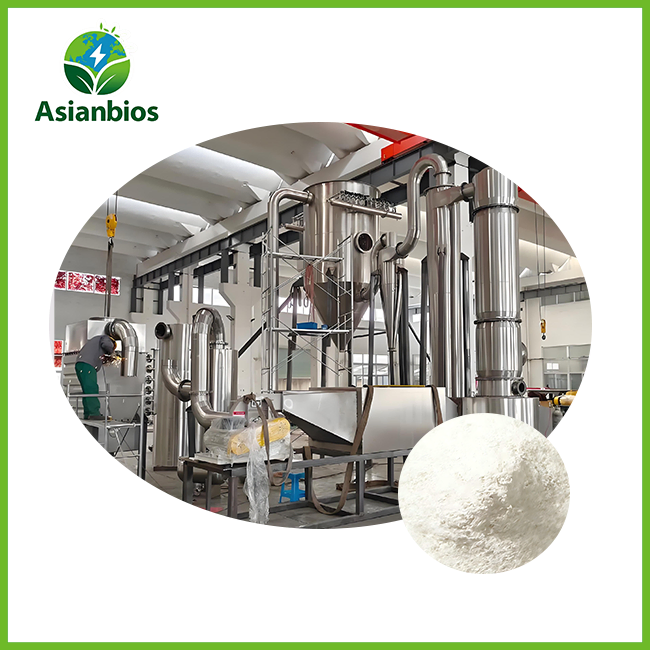
A three-phase spray drying method is used in modern production to keep the bioactive structure. The concentrate filter to 10–40% solid content is part of the pre-processing step. This is followed by blending with carefully chosen carriers. Core drying breaks the liquid into tiny drops that are exposed to filtered hot air with inlet temperatures of 150 to 220°C. This makes the moisture evaporate quickly while keeping the exit temperatures at 80 to 100°C. After processing, things are quickly cooled, carefully sorted through 80-mesh screens, and sealed right away with nitrogen to make materials that don't absorb water.
This technology guarantees uniform particles, the right amount of moisture (below 5%), and the best preservation of beneficial alkaloids.
| Production Stage | Processing Details |
|---|---|
| Pre-processing | Concentrate filtered to 10–40% solid content |
| Drying Process | Spray drying with filtered hot air |
| Temperature Control | Inlet 150–220°C, exit 80–100°C |
| Particle Control | 80-mesh screening |
| Stability Protection | Nitrogen sealing after cooling |
| Final Quality | Moisture below 5% |
Safety Parameters and Recommended Dosages
Quality guidelines that are in line with the USP, EP, and CP pharmacopeias set strict limits for heavy metals in Berberine Hydrochloride Extract Powder. For example, the amount of lead must stay below 2ppm and the amount of arsenic must stay below 1ppm. Pathogenic contaminants are not present, as shown by microbiological tests. For metabolic support formulations, the usual therapeutic dose is between 900 mg and 1500 mg per day. However, different uses may need different amounts depending on the form of transport and the people being targeted.
Comparing Berberine Hydrochloride Extract Powder with Alternative Ingredients
Berberine Hydrochloride Versus Other Salt Forms
It is better than the berberine sulfate and citrate forms because it is a hydrochloride salt. Because it dissolves better in water, it is more bioavailable in stomachs that are acidic. This means that the absorption rate stays the same across a wide range of consumers.
Sulfate types might be cheaper in the short term, but they don't dissolve as well. Citrate forms have buffering effects but lower concentration per gram, which means that capsules need to be bigger or cost more per dose.
| Ingredient Form | Main Characteristics | Procurement Consideration |
|---|---|---|
| Berberine Hydrochloride | Better water solubility and bioavailability | Preferred for standardized supplement production |
| Berberine Sulfate | Lower cost option | Lower dissolution performance |
| Berberine Citrate | Buffering properties | Lower concentration per gram, larger dosage may be required |
Benchmarking Against Pharmaceutical Alternatives
For metabolic health uses, procurement teams often compare berberine to metformin. Both of them trigger AMPK pathways, but berberine has extra benefits because it changes the gut bacteria and helps lipid metabolism without the stomach problems that come with synthetic options. Standardized berberine extracts are very appealing to nutraceutical brands that market their products as metabolic health solutions rather than single-target treatments because they work in two ways.
Synergistic Combinations and Formulation Strategies
Expert formulators mix berberine with ingredients that work well together to make the product work better. Taking it with alpha-lipoic acid improves insulin sensitivity even more, and taking it with milk thistle extract improves liver health in a wide range of ways. Together with silymarin, chromium picolinate improves how glucose is taken in, and these two substances help the liver work and keep the metabolism in balance. These smart recipes help brands set their supplements apart in supplement markets that are already full, while also giving customers real benefits that can be measured.
Procurement Insights: How to Buy the Best Berberine Hydrochloride Extract Powder
Evaluating Supplier Technical Capabilities
Well-known makers run cutting-edge extraction facilities that use both traditional solvent extraction methods and supercritical CO₂ technology. This two-in-one feature makes it possible to tailor production to specific purity needs and cost constraints. Look for providers that put a lot of effort into research and development—ideally, 60% or more of their expert staff should be focused on innovation. This shows that they can help with custom formulations and new application development.
MOQ Flexibility
Reliable sellers have low minimum order amounts starting at 1 kg for the first evaluation, and they offer sample options so that you can test the product thoroughly before committing to buy in bulk. This adaptability is very important for both new brands and existing businesses that want to try out new product lines without taking on too much inventory risk.
Logistics and Supply Chain Reliability
When you buy things from other countries, you need partners with well-established transportation networks. Leading makers keep more than a ton of stock on hand so that standard specs can be shipped right away. Custom recipes, on the other hand, usually take 20 to 30 working days from the time an order is confirmed until it is delivered. Global distribution is stable thanks to partnerships with DHL, FedEx, and SF Express. For urgent small-batch needs, "green channel" services offer express shipping choices with 7–10 day turnaround times.
Verifying Authenticity and Avoiding Counterfeits
There are big problems with adulteration in the berberine business. Ask for full Certificates of Analysis that show HPLC pure proof, heavy metal testing results, microbiological screening, and confirmation of moisture content. Reliable sellers give paperwork for each batch that has a unique lot number, which makes it possible to fully track the product. Before creating long-term supply relationships, you might want to ask a third-party laboratory to check the specs of your first orders to make sure they match the parameters that were promised.
Practical Applications and Industry Use Cases
Digestive Wellness and Gut Health Products
When you mix berberine's antimicrobial and prebiotic benefits, you get some really interesting possibilities for gut health products. It works well when combined with probiotic strains to make goods that support both the balance of microbes and the function of the gut barrier. When properly encapsulated, the substance stays stable during probiotic production conditions, which allows for complex multi-ingredient formulas that address all aspects of digestive health.
Functional Foods and Beverage Applications
Food-grade standards allow it to be added to useful snacks, protein bars, and drinks that are fortified. Bitter tastes need to be carefully masked with masking agents or flavor systems, but more and more people are accepting plant chemicals, which opens the door for clear labeling. Microencapsulated berberine is successfully added by beverage companies to ready-to-drink health shots and powdered supplement mixes that aim to support metabolism and keep energy levels stable.
OEM and White-Label Opportunities
Contract makers that offer berberine-based formulations offer complete options for brands that don't have their own production facilities. Full OEM services include creating new formulas, testing for safety, creating legal paperwork, and producing in a variety of forms, such as gummies, pills, powders, and capsules.
These relationships make it easy to get into new markets quickly and with little money. This is especially helpful for new brands that want to see how well the market responds before committing to dedicated production infrastructure.
| Industry Application | Common Product Forms |
|---|---|
| Dietary Supplement | Capsules, tablets, powders |
| Functional Food | Snacks, protein bars, fortified products |
| Beverage Application | Health shots and powdered mixes |
| OEM/White Label | Gummies, customized formulas |
Emerging Applications and Market Trends
New study looks into how berberine could be used to treat PCOS, improve brain health, and reduce inflammation. The global berberine supplement market is expected to grow by 8–12% each year until 2030. This is because people are becoming more aware of metabolic health and prefer natural medicines to synthetic ones. Brands that are ahead of the curve spend money on clinical validation studies that back up their health promises. This sets them apart from competitors through evidence-based marketing that fits within legal frameworks.

How to Choose the Right Berberine Hydrochloride Extract Powder for Your Business
Matching Specifications to Application Requirements
Manufacturers of dietary supplements usually choose 97% HPLC purity for formulations that are both cost-effective and therapeutic, while pharmaceutical uses need 98% specs that meet tighter pharmacopeial standards. Functional food makers focus on processing that doesn't change the taste and microencapsulation compatibility. Cosmetic formulators, on the other hand, look at particle size distribution and stability in cream and serum bases.
Long-Term Partnership Considerations
Suppliers must be financially stable, able to expand their capacity, and quick to respond in order for relationships to last. Check to see how well makers can respond to changes in formulation, handle changes in volume, and give clear reports on progress throughout production cycles. Quickly solving problems—ideally within hours instead of days—avoids costly production delays and shows a real commitment to partnership rather than business relationships based only on unit price.
Balancing Cost and Quality Parameters
Competitive pricing is naturally important to procurement teams, but the cheapest providers often skimp on quality control, checking for contamination, or making sure all the paperwork is complete. Most of the time, mid-tier price is the best deal because it shows real investments in quality without adding premium brand markups. To compare seller offers, you should add up all the costs that come with getting the goods to you, as well as the possible rejection rates due to poor quality, and the costs of remaking the products because the materials were not up to par.
Conclusion
To find the best berberine extract, you have to find a balance between technical requirements, source stability, and the needs of your particular application. Berberine Hydrochloride Extract Powder is often preferred for formulations that require high purity, consistent performance, and reliable bioactivity. The 97–98% pure pharmaceutical-grade material made by advanced spray drying provides constant bioactivity that is needed for medicinal effectiveness in metabolic health, digestive wellness, and cardiovascular support formulas. When purchasing, professionals choose certified sellers with detailed quality paperwork, flexible order amounts, and strong technical support. Their companies will stay ahead of the competition in the growing market for natural health goods. When you choose the right ingredients and work with dependable suppliers, getting raw materials goes from being a practical necessity to a way to make your product stand out.
FAQ
1. How can I verify product purity and authenticity?
Ask for Certificates of Analysis that are special to each batch and show that HPLC testing confirmed the presence of berberine hydrochloride, heavy metal screening results showed lead levels below 2ppm and arsenic levels below 1ppm, microbiological testing confirmed the lack of pathogens, and moisture content verification below 5%. Before setting up a supply relationship, you might want to get third-party test proof for your first orders.
2. What are potential side effects and contraindications?
When taken in the suggested amounts, berberine is very safe, but some people may experience mild stomach problems when they first start using it. The substance might combine with medicines that are broken down by cytochrome P450 enzymes, so people who are taking prescription drugs should talk to a doctor first. Women who are pregnant or nursing should not take supplements until more safety studies are done.
Partner with Asianbios for Premium Berberine Hydrochloride Extract Powder
Asianbios puts buyers in touch, a reliable company that makes Berberine Hydrochloride Extract Powder and uses modern spray drying technology to give 97-98% HPLC-standard material. With certificates in cGMP, FSSC22000, ISO9001, HACCP, and HALAL/KOSHER, we guarantee quality that meets world standards for pharmaceuticals. Our kept inventory is over 1 ton, so we can ship quickly (within 10 days), and our flexible 1 kg minimum sales and free samples let you get a good feel for the product. Custom recipes can be made for pills, capsules, powders, and gummies, and the company has full OEM/ODM capabilities. For reliable, high-quality Berberine Hydrochloride Extract Powder for sale, email plantex@asianbios.com to get specs, certification paperwork, and reasonable prices. This will help your supply chain.
References
1. Zhang, Y., Li, X., Zou, D., Liu, W., Yang, J., Zhu, N., Huo, L., Wang, M., Hong, J., Wu, P., Ren, G., & Ning, G. (2008). Treatment of type 2 diabetes and dyslipidemia with the natural plant alkaloid berberine. Journal of Clinical Endocrinology & Metabolism, 93(7), 2559-2565.
2. in, J., Xing, H., & Ye, J. (2008). Efficacy of berberine in patients with type 2 diabetes mellitus. Metabolism: Clinical and Experimental, 57(5), 712-717.
3. Dong, H., Wang, N., Zhao, L., & Lu, F. (2012). Berberine in the treatment of type 2 diabetes mellitus: a systematic review and meta-analysis. Evidence-Based Complementary and Alternative Medicine, Article ID 591654.
4. Kumar, A., Ekavali, Chopra, K., Mukherjee, M., Pottabathini, R., & Dhull, D. K. (2015). Current knowledge and pharmacological profile of berberine: An update. European Journal of Pharmacology, 761, 288-297.
5. Neag, M. A., Mocan, A., Echeverría, J., Pop, R. M., Bocsan, C. I., Crisan, G., & Buzoianu, A. D. (2018). Berberine: Botanical occurrence, traditional uses, extraction methods, and relevance in cardiovascular, metabolic, hepatic, and renal disorders. Frontiers in Pharmacology, 9, Article 557.
6. Imenshahidi, M., & Hosseinzadeh, H. (2019). Berberine and barberry (Berberis vulgaris): A clinical review. Phytotherapy Research, 33(3), 504-523.

Send Inquiry
Related Industry Knowledge
- What Is Leucine Production Technology? Process & Overview
- Is Ergothioneine a Key Player in Promoting Skin Health and Radiance?
- Benefits of Fermentation Production Technology Of Hyaluronic Acid
- Production Technology Of Hyaluronic Acid for Medical Grade Use
- Your Guide To Choosing The Best Organic Grape Powder
- How Tryptophan Production Technology Improves Yield
- What Is Lysine Production Technology Overview?
- Sea Buckthorn Freeze-Dried Powder Guide 2026: Skin, Health Benefits & How to Use It
- Best Grape Powder for Health: What Makes It So Powerful?
- Kiwi Dried Powder Benefits: Why It’s a Superfood Trend?