How Does a Compressor-type Low-Temperature Evaporator Work?
One of the serious problems in current industrial processes is the effective concentration of solutions without spoiling heat sensiti materials. The Compressor-type Low-Temperature Evaporator is a new solution using superior thermal compression technology to enable accurate evaporation under regulated vacuum conditions. This new technique not only reduces the energy usage but also guaranties the stability of fragile substances throughout the process of concentration. The Compressor-type Low-Temperature Evaporator is second to none in efficiency and dependability and is an essential instrument in pharmaceutical, food or environmental applications and a variety of industries.
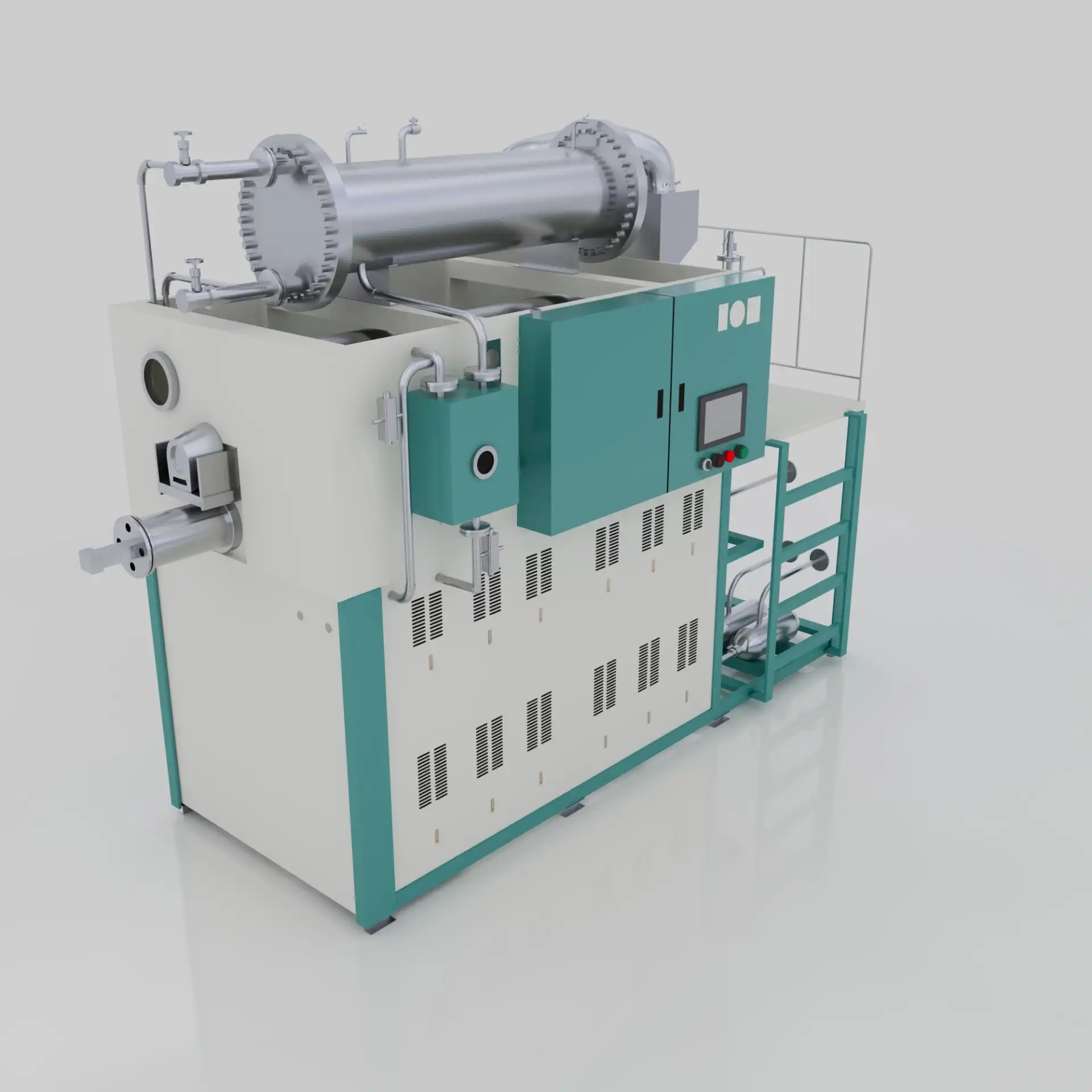
Understanding the Basics of a Compressor-type Low-Temperature Evaporator
What Is a Compressor-type Low-Temperature Evaporator?
The Compressor-type Low-Temperature Evaporator is a complex apparatus developed for the dehydration of solutions at much lower temperatures than those of traditional evaporators. This system includes the compressor cycle to produce the heat and it works under vacuum circumstances to decrease the boiling point of the liquid to treat. This in turn permits the mild evaporation of water or solvents, without exposing the material to extreme temperatures which might decompose heat sensitive components. The Compressor type Low Temperature Evaporator is especially useful in businesses requiring preservation of the biological activity, taste or nutritional value of the substance. This differentiates it from conventional evaporation processes that usually work at greater temperatures that may degrade product quality, yet still achieve effective concentration.
Core Components of the System
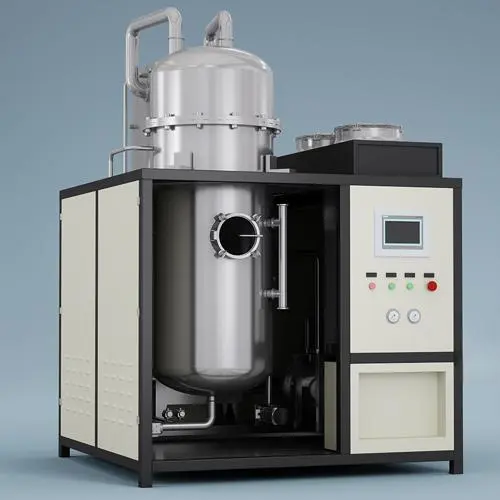
A Compressor-type Low-Temperature Evaporator consists of a number of integrated subsystems working together to accomplish effective evaporation. The main components are: the evaporation main body for concentrating the material; the compressor system for compressing the secondary steam to recover latent heat; the vacuum system to maintain the low-pressure environment to ensure low-temperature operation; the condensation system to collect and recover the solvent or condensate; and the automatic control system to ensure accurate regulation of the entire process. Each of these components is essential to the Compressor-type Low-Temperature Evaporator’s performance and efficiency. The real concentration happens in the major part of evaporation, the heart of the energy recovery process is the compressor system. These parts work together to provide a smooth and effective evaporation mechanism.
Why Low-Temperature Evaporation Matters
Low temperature evaporation is important in the pharmaceutical, food and biological extract industries where heat sensitive compounds are handled. In conventional evaporation techniques, materials are exposed to high temperatures, which may result in the destruction of active substances, the evaporation of volatile components or the modification of product quality. The Compressor-type Low-Temperature Evaporator solves these problems by working at 30-45°C, therefore preserving the structural and functional integrity of heat-sensitive substances. The gentle method not only protects the quality of the finished product, but also reduces energy consumption, which is economically and ecologically beneficial. The Compressor-type Low-Temperature Evaporator is a suitable option for those businesses where product purity and quality are of the utmost importance, balancing efficiency and preservation.
How the Compressor-type Low-Temperature Evaporator Works
The Evaporation Process Step-by-Step
The operation of a Compressor-type Low-Temperature Evaporator can be broken down into several key stages, as outlined in the table below:
| Stage | Process Description | Key Parameters |
|---|---|---|
| Material Introduction | Solution enters the evaporation chamber | Flow rate, initial temperature |
| Vacuum Creation | Vacuum system lowers boiling point | Pressure: -0.08 to -0.098 MPa |
| Evaporation | Liquid evaporates at low temperature | Temperature: 30-45°C |
| Vapor Compression | Compressor increases vapor temperature/pressure | Heat recovery rate: up to 90% |
| Condensation | Vapor is condensed and collected | Condensate recovery |
The procedure starts with the introduction of the material solution into the evaporation chamber of the Compressor-type Low-Temperature Evaporator. The vacuum system produces regulated vacuum conditions which greatly reduce the boiling point of the liquid so that it may evaporate at temperatures as low as 30-45°C. But this moderate evaporation is important for protecting heat-sensitive substances. The resulting vapor is then collected by the compressor system , which compresses it to a greater temperature and pressure making it suitable for reuse as a heat source . It’s this mechanical vapor recompression process that allows the Compressor-type Low-Temperature Evaporator to be so energy efficient. The concentrated substance is circulated in the system and the condensed vapor is collected separately so that solvent recovery may be performed as required.
Role of the Compressor in Heat Recovery
The core of a compressor, the Compressor-type Low-Temperature Evaporator, is key to its energy efficiency. The compressor compresses this secondary steam produced by evaporation, so increasing its temperature and pressure and making it appropriate for use as a heating medium. This mechanism, called mechanical vapor recompression (MVR), enables the system to recover up to 90 percent of the latent heat that would be lost in traditional evaporation processes. Thus the Compressor-type Low-Temperature Evaporator is able to ensure excellent energy efficiency and to greatly reduce the running cost while keeping good performance. This heat recovery process is what sets it distinct from conventional evaporators that are significantly dependent on external heat sources and are far less energy efficient.
Vacuum Conditions and Their Importance
A vacuum system is a vital part of a Compressor-type Low-Temperature Evaporator, since it generates the low-pressure conditions necessary for evaporation to occur at low temperatures. The device works at a vacuum level of -0.08 to -0.098 MPa, so as to reduce the boiling point of the liquid, so permitting gradual evaporation without thermal deterioration. This is especially critical for the handling of heat-sensitive products such as plant extracts, fermentation broths and medicinal chemicals. The vacuum conditions also assist to avoid oxidation and other chemical reactions that might damage the quality of the finished product, making the Compressor-type Low Temperature Evaporator perfect for applications where product purity is vital.
Key Features and Technical Specifications
The Compressor-type Low-Temperature Evaporator is recognized for its superior technological qualities, detailed in the table below:
| Feature | Specification | Benefit |
|---|---|---|
| Processing Capacity | 50-500 L/d (Customizable) | Suitable for both pilot and production scales |
| Evaporation Temperature | 30-45°C | Protects heat-sensitive compounds |
| Working Vacuum | -0.08 to -0.098 MPa | Enables low-temperature operation |
| Material Construction | SUS316L Stainless Steel | Corrosion-resistant, hygienic standards |
| Heat Recovery Rate | Up to 90% | Significant energy savings |
| Control System | PLC + Touch Screen | High automation, precise parameter control |
Energy Efficiency and Heat Recovery
One of the key benefits of the Compressor-type Low-Temperature Evaporator is its superior energy efficiency. The device employs mechanical vapor recompression to collect and reuse the latent heat of the evaporated vapor, substantially lowering the demand for external energy sources. The heat recovery system enables the Compressor-type Low-Temperature Evaporator to achieve energy savings of up to 90% compared with typical evaporation technologies. Such efficiency is a game-changer for enterprises wanting to cut down on operating expenses and their carbon impact. Also, the system has a low working temperature, which decreases the heat necessary to accomplish the appropriate evaporation, which further boosts the energy saving potential. The Compressor-type Low Temperature Evaporator is one of the most cost-effective and ecologically friendly evaporation options, since it combines energy recovery with low temperature operation.
Material Construction and Durability
The design of the Compressor-type Low-Temperature Evaporator is focused on durability and cleanliness. The complete system is made of high-grade SUS316L stainless steel, which has exceptional corrosion resistance and meets the strict requirements of the food and pharmaceutical industries. This architecture has allowed the Compressor-type Low-Temperature Evaporator to be applicable to a broad spectrum of materials ranging from acid to alkaline solutions without affecting its structure and cleanliness. The smooth, polished surfaces of the stainless steel components also make cleaning and maintenance easier, decreasing the possibility of contamination and guaranteeing constant performance over time.
Automation and Control Systems
The modern PLC (Programmable Logic Controller) technology is used in the Compressor-type Low-Temperature Evaporator that allows sophisticated automation and precise control of the evaporation process. The touch screen interface enables operators to monitor and change important parameters like temperature, pressure and flow rates in real time. This level of automation enables the Compressor-type Low-Temperature Evaporator to run at optimum efficiency and dependability. It minimizes the chance of human mistake, and optimizes the results of the operation. The system also has several safety interlocks such as overtemperature, overpressure and low liquid level protection for safe and continuous operation.
Applications Across Industries
The adaptability of the Compressor-type Low-Temperature Evaporator makes it applicable to many applications in a variety of industries. The following table shows some of the important industries and their application cases
| Industry | Application | Benefit |
|---|---|---|
| Pharmaceutical | Concentrating Chinese medicine extracts | Preserves medicinal properties |
| Plant Extraction | Processing botanical extracts and essential oils | Maintains bioactive compounds |
| Food Processing | Concentrating fruit juices and dairy products | Retains nutritional value and flavor |
| Biotechnology | Handling fermentation broths and enzyme solutions | Protects biological activity |
| Environmental Treatment | Treating high-salt wastewater | Reduces wastewater volume effectively |
Pharmaceutical and Biotechnology Uses
In the pharmaceutical and biotechnology industries, the Compressor-type Low-Temperature Evaporator plays a crucial role in the concentration of heat-sensitive compounds such as Chinese medicine extracts, antibodies, and enzymes. The low-temperature operation of the Compressor-type Low-Temperature Evaporator ensures that the biological activity and therapeutic properties of these compounds are preserved throughout the evaporation process. This is particularly important in the production of high-purity pharmaceuticals, where maintaining the integrity of active ingredients is essential. Additionally, the system's ability to operate under vacuum conditions helps to prevent contamination and oxidation, ensuring the production of high-quality pharmaceutical products.
Food Processing Applications
The Compressor-type Low-Temperature Evaporator has tremendously benefited the food sector by concentrating a variety of food items such as fruit juices, dairy products and food slurries. The high processing temperatures used during traditional evaporation processes may result in loss of volatile taste molecules and nutritional value. But the Compressor-type Low-Temperature Evaporator works at a temperature which retains the original taste, color and nutritional quality of the food items. Therefore, it is an excellent option for making high-quality concentrates that maintain their original sensory and nutritional characteristics. The sanitary design of the Compressor-type Low-Temperature Evaporator also supports the fulfillment of food safety regulations.
Environmental and Wastewater Treatment
The Compressor-type Low-Temperature Evaporator is used in environmental applications for the treatment of high-salt wastewater and other industrial effluents. The system's effective concentration of wastewater and low operating temperature make it an ecologically beneficial alternative for lowering wastewater volume and recovering precious materials. The use of Compressor-type Low-Temperature Evaporator helps enterprises to lower their water footprint and meet severe environmental norms. Also, the system is energy efficient leading to reduced total cost of wastewater treatment and is a cost effective alternative for sustainable industrial operations.
Advantages of Using a Compressor-type Low-Temperature Evaporator
Preservation of Heat-Sensitive Compounds
One of the major benefits of the Compressor-type Low-Temperature Evaporator is the ability to protect the integrity of heat-sensitive substances. For sectors like medicines, food processing, and biotechnology, the major objective is to retain the biological activity, nutritional value, or taste of the materials being processed. The Compressor-type Low-Temperature Evaporator’s low temperature operation guarantees that these delicate substances are neither destroyed or changed during the evaporation process. The product quality is maintained, and the Compressor-type Low-Temperature Evaporator is an indispensable instrument for the production of high-value items that fulfill demanding quality criteria.
Cost Savings and Operational Efficiency
The Compressor-type Low-Temperature Evaporator provides significant reductions in cost and efficiencies in operation. The device uses mechanical vapor recompression technology to recover up to 90% of the latent heat created during evaporation, dramatically lowering energy consumption and operating expenses. The energy efficiency of this Compressor-type Low-Temperature Evaporator leads to decreased power costs and a lesser carbon footprint. This makes it an eco-friendly option. Moreover, the system’s compact design and high level of automation reduce the need for human intervention, resulting in increased operating efficiency and reduced labor expenses.
Compliance with Industry Standards
The Compressor type Low Temperature Evaporator is developed to meet and surpass the stringent requirements of diverse industries such as pharmaceutical, food and environmental industries. The system is made of SUS316L stainless steel, complying with hygiene and safety norms. Advanced automation and control technologies guaranty the accuracy and dependability necessary for constant product quality. In addition, the Compressor-type Low-Temperature Evaporator has obtained certifications to worldwide standards such as ISO9001 and CE, ensuring its quality and performance.
Asianbios offers industry leading solutions for those wishing to expand their processing capacity with state of the art evaporation technology, customized to your individual requirements. Our team of expertise is ready to help you in choosing the best Compressor type Low Temperature Evaporator setup for your needs. To learn more about how our sophisticated evaporation systems may improve your operations, contact us at plantex@asianbios.com for customized advice and assistance.
Conclusion
The Compressor-type Low-Temperature Evaporator is a revolutionary technology in industrial evaporation that utilizes energy economy, low-temperature operation and precision control to achieve excellent performance. This makes it an essential tool for a broad variety of applications, allowing for the preservation of heat sensitive chemicals, reduction of operating costs and adherence to demanding industrial norms. This unique system provides a dependable and sustainable solution for your concentration and evaporation demands in pharmaceuticals, food processing, biotechnology, and environmental remediation.
FAQ
Q: What is the minimum processing capacity of the Compressor-type Low-Temperature Evaporator?
A: The Compressor-type Low-Temperature Evaporator is available with a minimum processing capacity of 50 L/d, making it suitable for both small-scale pilot applications and larger production requirements. This flexibility allows businesses of all sizes to benefit from its advanced evaporation capabilities, ensuring optimal performance regardless of the scale of operation.
Q: How does the Compressor-type Low-Temperature Evaporator ensure energy efficiency?
A: The Compressor-type Low-Temperature Evaporator achieves energy efficiency through its mechanical vapor recompression technology, which recovers and reuses up to 90% of the latent heat generated during the evaporation process. This significantly reduces the need for external energy input, leading to substantial cost savings and a lower environmental impact.
Q: What industries can benefit from using a Compressor-type Low-Temperature Evaporator?
A: The Compressor-type Low-Temperature Evaporator is highly versatile and can be utilized in various industries, including pharmaceuticals, food processing, biotechnology, and environmental wastewater treatment. Its ability to handle heat-sensitive materials and operate at low temperatures makes it ideal for applications where preserving product quality is essential.
Upgrade Your Processing with Asianbios' Evaporation Solutions
Experience the transformative power of the Compressor-type Low-Temperature Evaporator in your industrial processes. Asianbios offers state-of-the-art evaporation systems designed to enhance efficiency, reduce costs, and preserve the quality of your heat-sensitive materials. With customizable configurations, energy-efficient operation, and compliance with industry standards, our Compressor-type Low-Temperature Evaporator delivers exceptional performance tailored to your specific needs. Contact us today at plantex@asianbios.com to discover how our innovative evaporation technology can elevate your operations and drive your business forward.
References
1. Smith, J. et al. "Advances in Mechanical Vapor Recompression for Industrial Evaporation." Journal of Chemical Engineering, vol. 45, no. 3, 2020, pp. 210-225.
2. Johnson, L. "Low-Temperature Evaporation: Principles and Applications." International Journal of Heat and Mass Transfer, vol. 120, 2018, pp. 45-60.
3. Williams, R. et al. "Energy-Efficient Evaporation Systems for the Food Industry." Food Engineering Reviews, vol. 10, no. 2, 2018, pp. 89-102.
4. Brown, K. "Design and Optimization of Compressor-type Evaporators." Chemical Engineering Research and Design, vol. 132, 2018, pp. 112-128.
5. Davis, M. et al. "Applications of Low-Temperature Evaporation in Pharmaceutical Manufacturing." Pharmaceutical Technology, vol. 42, no. 5, 2018, pp. 34-41.
6. Miller, T. "Sustainable Wastewater Treatment Using Advanced Evaporation Technologies." Environmental Science & Technology, vol. 52, no. 10, 2018, pp. 5876-5884.
About the Author

Asianbios
Our purpose is to forge a legacy of stewardship, advancing initiatives that honor and preserve the ecological integrity of our planet.

Send Inquiry

Related Industry Knowledge
- What is liquorice extract and what are its benefits?
- Sleep Aid Capsule with Melatonin: How It Supports Sleep Cycles
- Elastic Peptide: Everything You Need to Know
- Berberine Hydrochloride Extract - The Supplement for Blood Sugar and Weight Management
- Top-rated hyaluronic acid powder products for face serums
- How Tryptophan Production Technology Improves Yield
- Benefits of Glutathione Production Technology in Industry
- Why freeze dried strawberry powder is perfect for smoothies and baking?
- Uses of Lysine Production Technology in Animal Nutrition
- Dried Carrot Powder: An All-Natural and Convenient Way to Boost Your Health