How Protease Fermentation Technology Improves Enzyme Production
Proteases are the workhorses of modern biotechnology. They are essential in many fields, from food processing to pharmaceuticals, because they can break down proteins so quickly and easily into functional parts. But the real big step forward in making enzymes was when advanced protease production technology through microbial fermentation was created. Traditional extraction methods have low yields, high prices, and uneven quality. Modern fermenting processes, on the other hand, make it possible to make a lot of high-activity proteases at a low cost and with great stability. This new way of thinking about protease production technology has changed what's possible in enzyme production. It now lets companies meet the rising demand for these useful biocatalysts while still keeping high standards of quality and performance.


The Fermentation Advantage: Why Modern Methods Outperform Extraction
Limitations of Traditional Extraction Methods
Manufacturers of enzymes used to get them mostly from extracting them from plants and animals, which had a lot of problems before more advanced technology came along. Using these old ways usually only produced small amounts of enzymes—about 1 to 5 percent of the raw material—which meant that large-scale production was not possible due to cost concerns. Another big problem was that enzyme activity and purity were very different between batches because they depended on the source material and the conditions of extraction. Also, the complicated cleaning methods needed to get rid of impurities in the enzymes that were removed cost a lot and made the whole process less effective. Getting a lot of plant or animal material had negative effects on the environment, which made things even more difficult. As the need for proteases in industry grew, standard extraction methods became less and less viable.
How Fermentation Revolutionized Enzyme Manufacturing
Adding microbial fermentation to advanced protease production technology was a big step forward in making enzymes. It fixed all the problems with the old ways of extracting enzymes. Manufacturers were able to make proteases in controlled bioreactor settings with much higher rates and greater stability by using carefully chosen and optimized bacterial strains. This fermentation-based method for making protease technology allowed for constant production under very strict conditions, which led to more stable and predictable enzyme outputs. Being able to make enzymes on demand, regardless of the time of year or location of raw materials, changed the industry by making high-quality proteases available for a wide range of uses that were previously limited by cost and supply issues.
The Environmental and Economic Benefits of Modern Protease Production
Modern protease production technology has a lot of technical benefits, but it also has big economic and environmental benefits that have helped it become very popular. Manufacturers can make enzymes with a lot less damage to the environment when they use microbial fermentation instead of standard extraction methods. Because fermentation can be controlled, resources can be used more efficiently. For example, farm garbage can be used as a base, which cuts down on waste. When it comes to money, the fact that protease production technology can be scaled up or down means that makers can meet changing market needs without having to build the expensive equipment needed for large-scale extraction operations. Fermentation-based protease production technology has become the gold standard for making enzymes today because it is good for the environment and saves money.
Table 1: Traditional Extraction vs. Modern Fermentation in Protease Production
| Aspect | Traditional Extraction | Modern Fermentation (Protease Production Technology) |
|---|---|---|
| Enzyme Yield | Low (1-5% of raw material) | High (250,000+ U/mL for alkaline proteases) |
| Consistency | Variable between batches | Highly consistent across batches |
| Production Cost | High (raw material dependent) | Low (uses affordable substrates) |
| Scalability | Limited by raw material availability | Excellent (from lab to industrial scale) |
| Environmental Impact | High (resource-intensive) | Low (sustainable substrate utilization) |
Core Principles of Advanced Protease Fermentation Technology
Microbial Strain Selection and Genetic Optimization
One important part of making protease that works is carefully choosing and genetically improving high-yield microbial strains. Asianbios has spent years researching and collecting a large collection of microorganisms that produce proteases. They have focused on types that can produce enzymes that work very well in industrial settings. For making alkaline protease, strains of Bacillus subtilis have been improved so that they always have activities above 250,000 U/mL. Specialized strains of Aspergillus niger make acidic proteases with activities higher than 200,000 U/mL. The process of strain optimization is an important part of modern protease production technology because it lets manufacturers choose the best microorganism for each application, like detergents that need to be stable in alkaline environments or digestive aids that need to work in acidic ones.
Precision Control of Fermentation Parameters
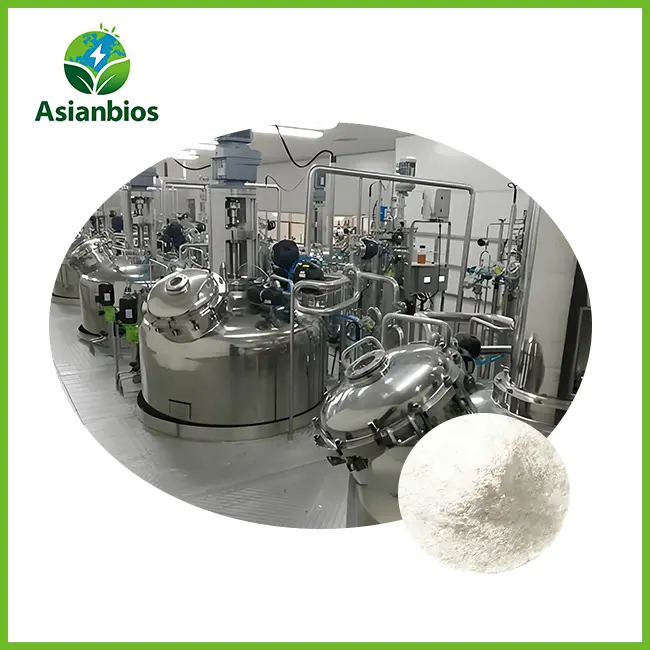
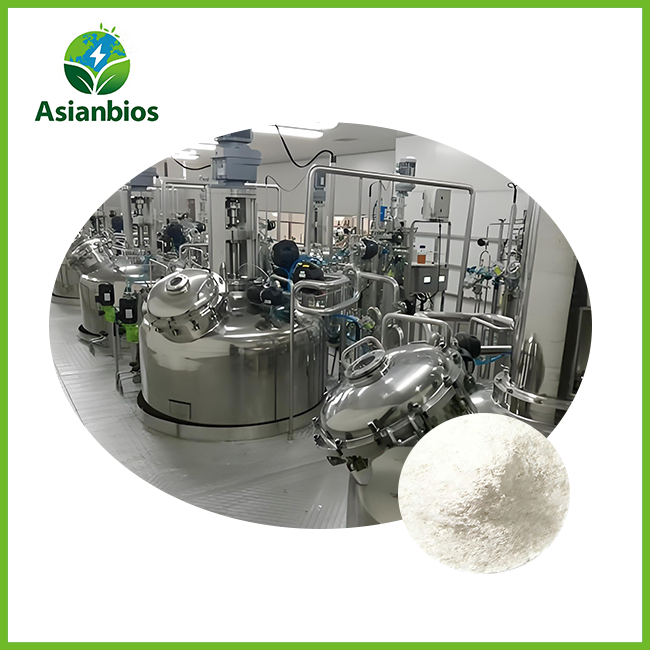
To get the best results from protease production technology, you need to carefully manage a lot of fermentation factors that have an effect on enzyme output and quality. Modern bioreactors have high-tech monitoring systems that let important factors like temperature, pH, dissolved oxygen levels, and food amounts be tracked and changed in real time. Advanced technology for making protease is different from older fermentation methods because it can keep these factors within small ideal ranges. Maintaining the right balance of oxygen transfer and carbon dioxide removal, for example, is important for making the most enzymes and stopping the buildup of harmful byproducts. This level of control in protease production technology makes sure that the quality of the enzymes and the yields are the same across all batches and sizes, from small pilot runs to full-scale industrial production.
Nutrient Feeding Strategies for Maximum Enzyme Yield
Creating effective nutrient feeding strategies that have a big effect on final enzyme yields is an important but often overlooked part of protease production technology. Asianbios uses advanced fed-batch fermentation methods, in which concentrated nutrient solutions are added to the culture at exact times that are calculated by checking the culture's nutritional status in real time. This method stops nutrient restriction and stops the buildup of substances that stop growth that can happen when there are a lot of nutrients at the start. Our protease production technology usually uses inexpensive agricultural waste products like soybean meal, corn steep liquor, and bran as substrates. These materials have the right amount of carbon, nitrogen, and micronutrients to help microbes grow and enzyme production reach its full potential.
Technological Innovations Driving Efficiency in Protease Production
High-Yield Strain Development Through Genetic Engineering
The creation of high-yield bacterial strains through genetic engineering and guided evolution is one of the most important steps forward in protease production technology. The researchers at Asianbios have used cutting-edge techniques like gene knockout, metabolic pathway engineering, and adaptive evolution to make strains that make proteases at amounts that have never been seen before. Our protease production technology is based on these improved strains, which make it possible to consistently make enzymes with activities that set new standards in the industry. Enzyme engineering has become more flexible because strain characteristics can be changed to fit different needs. This has led to the creation of proteases that are more stable, have different substrate specificities, or work better in high-temperature or acidic environments.
Real-Time Monitoring and Intelligent Control Systems
Adding improved tracking and control tools is a big step forward in the technology used to make protease. Asianbios uses cutting-edge monitors and its own control software to give real-time information on all the important factors for fermentation. These systems let you make changes right away to keep conditions at their best, responding to changes in the culture before they can hurt enzyme production. Our protease production technology has smart control systems that can instantly change the temperature, air rates, and food feeds to get the most enzymes out of the energy used and the lowest production costs. This amount of complexity makes sure that every fermentation run works at its best, batch after batch. Asianbios provides technical help for producers using protease manufacturing technology. From process design to complete implementation, our expertise can help you embrace these modern solutions. Our experts can improve an existing manufacturing line or create a new facility from scratch. Contact us at producttech@asianbios.com to explore how our advanced protease production technology can transform your production capabilities and help you achieve new levels of efficiency and quality.
Cost-Effective Substrate Utilization and Sustainable Production
Asianbios' protease production technology has a big competitive advantage because it focuses on using substrates in the most cost-effective way possible. This is based on our belief that a successful implementation depends on 30% process design and 70% local execution. By using locally available industrial waste streams and byproducts from farming as our main sources of carbon and nitrogen, we've been able to cut the cost of raw materials by a lot without lowering the quality of our products. This method not only makes the technology of protease production more cost-effective, but it also helps make manufacturing more environmentally friendly. We can keep our prices low while still providing high-quality enzymes because we can use inexpensive materials such as soybean meal, corn steep liquor, and different types of brans. We pass these savings on to our customers, so producers of all kinds can use high-performance proteases.
Table 2: Key Innovations in Asianbios' Protease Production Technology
| Innovation | Implementation | Impact on Production |
|---|---|---|
| Strain Optimization | Genetic engineering, directed evolution | Higher enzyme activities, tailored properties |
| Real-Time Monitoring | Advanced sensors, control algorithms | Consistent quality, reduced batch variability |
| Fed-Batch Fermentation | Dynamic nutrient feeding | Maximum yield, minimized inhibitory byproducts |
| Cost-Effective Substrates | Agricultural byproducts utilization | Reduced costs, improved sustainability |

Scaling Success: From Laboratory to Industrial Production
Pilot-Scale Optimization and Process Validation
From research in the lab to mass production is a key stage in protease production technology that needs to be carefully optimized at every level. Asianbios uses a planned method to increase production, starting with a small-scale test to make sure the process works well. This step in between lets our engineers find and fix any problems that might come up when we move from small-scale to large-scale production. During pilot tests of our protease production technology, we fine-tune factors like how well they mix, how fast oxygen moves, and how well they remove heat to make sure they will work perfectly at industrial scales. Our 30% process design and 70% local execution principle guides this careful approach to scaling up protease production technology. It lowers risks and makes sure that the shift to full production goes smoothly.
Overcoming Industrial Implementation Challenges
Using protease production technology on an industrial level comes with its own problems that can only be solved by people with specific knowledge. Keeping the conditions the same in large fermentation vessels, making sure the quality of the raw materials stays the same at scale, and handling the higher volumes of downstream processing are all things that need careful thought. Asianbios has years of experience making enzymes on a big scale, so they have come up with tried-and-true answers to these problems. Our prototype production technology includes detailed rules for choosing tools, designing facilities, and running the business. These rules take into account these big-business issues, making sure that the benefits seen on smaller scales are kept up during full production.
Comprehensive Quality Assurance for Industrial-Scale Production
In industrial enzyme production, quality control is very important. As part of our protease production technology, Asianbios has set up a multi-layered quality control system. This method includes strict testing at every step of the production process, from checking the raw materials to releasing the finished product. We use standard substrates for enzyme activity tests, protein content measurements, HPLC for purity analysis, microbe contamination tests, and rapid stability studies to make sure the quality of our protease production technology. We make sure that every batch of enzyme made with our protease production technology meets the high-quality standards needed for a wide range of industrial uses, from food grade to pharmaceutical grade. We do this by closely monitoring every step of the production process.
Table 3: Scale-Up Considerations in Protease Production Technology
| Scale | Key Considerations | Asianbios Solutions |
|---|---|---|
| Laboratory (1-10L) | Strain selection, initial optimization | Comprehensive strain library, rapid screening |
| Pilot (50-500L) | Process validation, parameter fine-tuning | Advanced monitoring, scale-up protocols |
| Industrial (1,000-100,000L) | Uniformity, heat/mass transfer | Custom bioreactor design, optimized mixing systems |
Conclusion
Protease fermentation technology has completely changed how enzymes are made by getting around the problems that come with older ways. Advanced protease production technology has made it possible for manufacturers to get enzyme activities that are always higher than 250,000 U/mL for alkaline proteases. This big step forward in technology has made it possible to make high-quality proteases that are very stable and pure on an industrial scale. These proteases can now be used in a lot of different ways, from making food to making medicines. Asianbios has set new standards for the industry with its creative strain development, precise fermentation control, and optimized downstream processing. These methods make it possible to produce high-performance enzymes at low costs to meet the growing demand around the world.
FAQ
Q1: What enzyme activity levels can be achieved with advanced protease production technology?
A1: Asianbios' advanced protease production technology consistently achieves remarkable enzyme activities, with alkaline proteases exceeding 250,000 U/mL and acidic proteases surpassing 200,000 U/mL. These industry-leading activity levels are the result of years of research in strain optimization and process refinement. Such high potency enables manufacturers to use smaller doses of enzyme while achieving superior results in their applications, significantly improving cost-effectiveness and performance across diverse industrial sectors.
Q2: What microbial strains are used in Asianbios' protease production technology?
A2: Asianbios' protease production technology utilizes a carefully curated selection of high-performance microbial strains. For alkaline protease production, we employ optimized Bacillus subtilis strains that operate effectively in the pH range of 6.5-8.5, ideal for detergent and leather processing applications. For acidic proteases, our specialized Aspergillus niger strains thrive in pH conditions between 3.5-5.0, making them perfect for digestive aid formulations and pharmaceutical applications. Each strain in our protease production technology has been developed for maximum enzyme yield and stability under industrial conditions.
Q3: What support does Asianbios provide for implementing protease production technology?
A3: Asianbios provides comprehensive technical support for implementing protease production technology, covering every stage from initial concept to full-scale production. Our services include detailed process development tailored to your specific needs, expert scale-up assistance to transition from pilot to industrial production, hands-on equipment commissioning and operator training, and ongoing technical consultation to ensure long-term success. With our protease production technology, you gain access to a complete support system designed to help you achieve optimal production efficiency and product quality at any scale of operation.
Elevate Your Enzyme Production with Asianbios
Elevate your manufacturing capabilities to new heights with Asianbios' state-of-the-art protease production technology. Our cutting-edge systems deliver industry-leading enzyme activities and operational efficiency, combining advanced strain development with precise fermentation control and optimized downstream processing. With comprehensive technical support, flexible implementation options, and proven scalability, we empower manufacturers to produce high-quality proteases for diverse industrial applications. Whether you're looking to optimize existing production or establish new capabilities, our expert team is ready to assist. Contact us today at producttech@asianbios.com to discover how our innovative protease production technology can revolutionize your enzyme manufacturing and drive your business forward in this competitive industry.
References
1. Gupta, R., Beg, Q. K., & Lorenz, P. (2002). Bacterial alkaline proteases: molecular approaches and industrial applications. Applied Microbiology and Biotechnology, 59(1), 15-32.
2. Rao, M. B., Tanksale, A. M., Ghatge, M. S., & Deshpande, V. V. (1998). Molecular and biotechnological aspects of microbial proteases. Microbiology and Molecular Biology Reviews, 62(3), 597-635.
3. Kumar, C. G., & Takagi, H. (1999). Microbial alkaline proteases: from a new perspective. Biotechnology Advances, 17(7), 561-594.
4. Anwar, A., & Saleemuddin, M. (2000). Production and characterization of an alkaline protease from Bacillus subtilis. Process Biochemistry, 35(7), 703-708.
5. Sumantha, A., Larroche, C., & Pandey, A. (2006). Microbial proteases: from production to application. Critical Reviews in Biotechnology, 26(1), 1-16.
6. Beg, Q. K., & Gupta, R. (2003). Purification and characterization of an extracellular alkaline protease from Bacillus sp. Protein Expression and Purification, 27(1), 1-8.
About the Author

Asianbios
Our purpose is to forge a legacy of stewardship, advancing initiatives that honor and preserve the ecological integrity of our planet.

Send Inquiry

Related Industry Knowledge
- How to Choose the Best Sleep Aid Capsule for Adults
- Sea Buckthorn Freeze-Dried Powder: Benefits, Uses, and Nutritional Value Explained
- Sour Jujube Seed: A Gentle Herb for Calming the Mind and Improving Sleep
- Where can I buy high-quality ergothioneine powder online?
- Hyaluronic Acid Powder: Its Uses, Benefits and Side Effects
- Lysine Production Technology OEM/ODM Factory Solutions
- Is powdered kale good for you?
- What is Sleep Aid Brewing Powder? Sleep Drink Guide
- How to Use Chinese Cabbage Freeze-Dried Powder: Benefits and Daily Recipes
- How to Incorporate Freeze Dried Kale Powder into Your Daily Meals for Optimal Health?