Isoleucine Production Technology for Nutritional Products
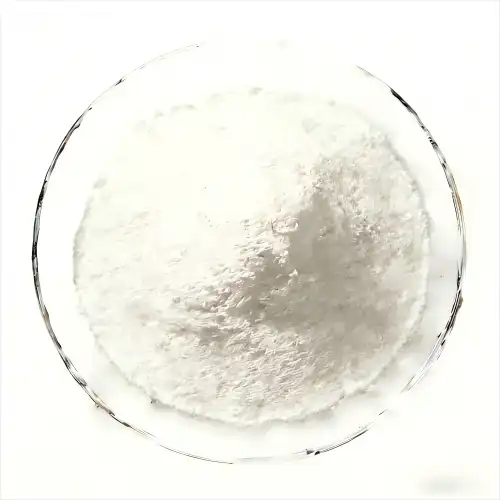
Isoleucine Production Technology is a high-tech bio-manufacturing method that uses carefully controlled microbial fermentation to make L-isoleucine, an important branched-chain amino acid (BCAA). In this method, biologically modified strains of Corynebacterium glutamicum or Escherichia coli are used to make nutritionally-grade isoleucine that is very pure. Modern production can reach fermentation titers of more than 30–40 g/L and chiral purity of more than 99.9%. This makes a white, crystalline powder that can be used in feed preparation, medicinal treatments, sports nutrition, and functional food uses around the world.
Understanding Isoleucine Production Processes
Microbial Fermentation: The Biological Pathway
Microbiological fermentation is the most used approach in business since it creates more precise compounds and is ecologically benign. Select strains of genetically improved Corynebacterium glutamicum are used to begin the procedure. These bacteria employ non-exhaustible carbon sources like glucose from maize starch hydrolysate or sucrose to make L-isoleucine via complex enzyme activities. Threonine deaminase, acetohydroxy acid synthase, and branched-chain amino acid transaminase use pyruvate and threonine to accelerate the process. Eliminating feedback inhibition enhanced isoleucine synthesis. Too much isoleucine reduces production, triggering this natural control. Gene modifications let output strains biosynthesise and accumulate extracellularly. Maintain pH 6.3–7.3, temperature 30–36°C, and dissolved oxygen stirred and controlled. Threonine boosts conversion rates, whereas ammonia and urea change the fly's carbon-to-nitrogen ratio.
Chemical Synthesis and Purification Challenges
Chemical synthesis employs petrochemicals to develop multi-step catalytic reactions, but Isoleucine Production Technology shows that as racemic mixtures need costly chiral resolution to isolate the required L-isomer, this procedure is theoretically conceivable but has several drawbacks. Chemical methods create hazardous waste and need a lot of energy, making environmental considerations significant. Downstream processing is difficult regardless of production. Due to cell debris, leftover nutrients, and similar amino acids like leucine and valine, fermentation broths must be handled carefully. Standard industrial cleaning uses ultraselective resin ion-exchange chromatography. Processing yields food- or drug-grade purity. Advanced membrane filtering, activated carbon treatment, and spray drying facilities provide white powder with regulated particle size distribution and mass density for various applications.
Comparing Isoleucine Production Technologies: Which Is Best for Your Business?
Cost Efficiency and Scalability Analysis
Industrial output exceeding 50 metric tonnes per year is cheaper using microbial fermentation. Fermentation facilities cost medium-sized firms $2–5 million. Tanks for fermentation, downstream separation, and quality control. Steam, cold water, compressed air, carbohydrate substrates, and nitrogen supplies are major running costs. Production costs $8–15 per kilogram, depending on area factor price. Reaction systems, dangerous material handling equipment, and expensive chiral separation equipment are needed for chemical synthesis. Environmental limits for solvent recovery and waste treatment increase firm costs by 30–50% over fermentation. Fermentation technology benefits from scalability since it just needs more fermenting space.
Sustainability and Product Quality Considerations
Environmental success is becoming more and more important in buying choices, especially for brands that want to attract health-conscious customers. Fermentation-based Isoleucine Production Technology uses feedstocks that come from green plants and makes trash that can be used in agriculture or to make biogas. Carbon footprint studies always show that fermentation methods produce 40–60% less greenhouse gas emissions than petroleum synthesis. Also important are product quality disparities. Without D-isomer, natural fermentation yields 100% L-isoleucine. This reduces D-amino acid metabolic cell problems. High-bioavailability pharmaceuticals and sports nutrition products need natural stereochemical purity. D-isomer is banned. Fermented amino acids dissolve and taste neutral better than synthesised ones. Using drinks and functional meals is easier.
Technological Advancements Reshaping Production
Enzyme design and metabolic pathway improvements improve fermentation. CRISPR-based genome editing provides precise metabolic redirections, improving fuel conversion and reducing byproducts. Real-time process monitoring using inline sensors and AI-powered control systems optimises fermentation on the fly by adjusting to modest metabolic changes that batch controls miss. Production reliability has altered due to process advancements. Modern factories integrate Industry 4.0, networked sensors, automated sampling, and predictive maintenance to reduce downtime and batch-to-batch variances. Layers of technology allow smaller enterprises to achieve consistency formerly reserved for huge manufacturers. The amino acid market becomes increasingly competitive.
Key Considerations for Setting Up Isoleucine Production Facilities
Equipment Selection and Technology Sourcing
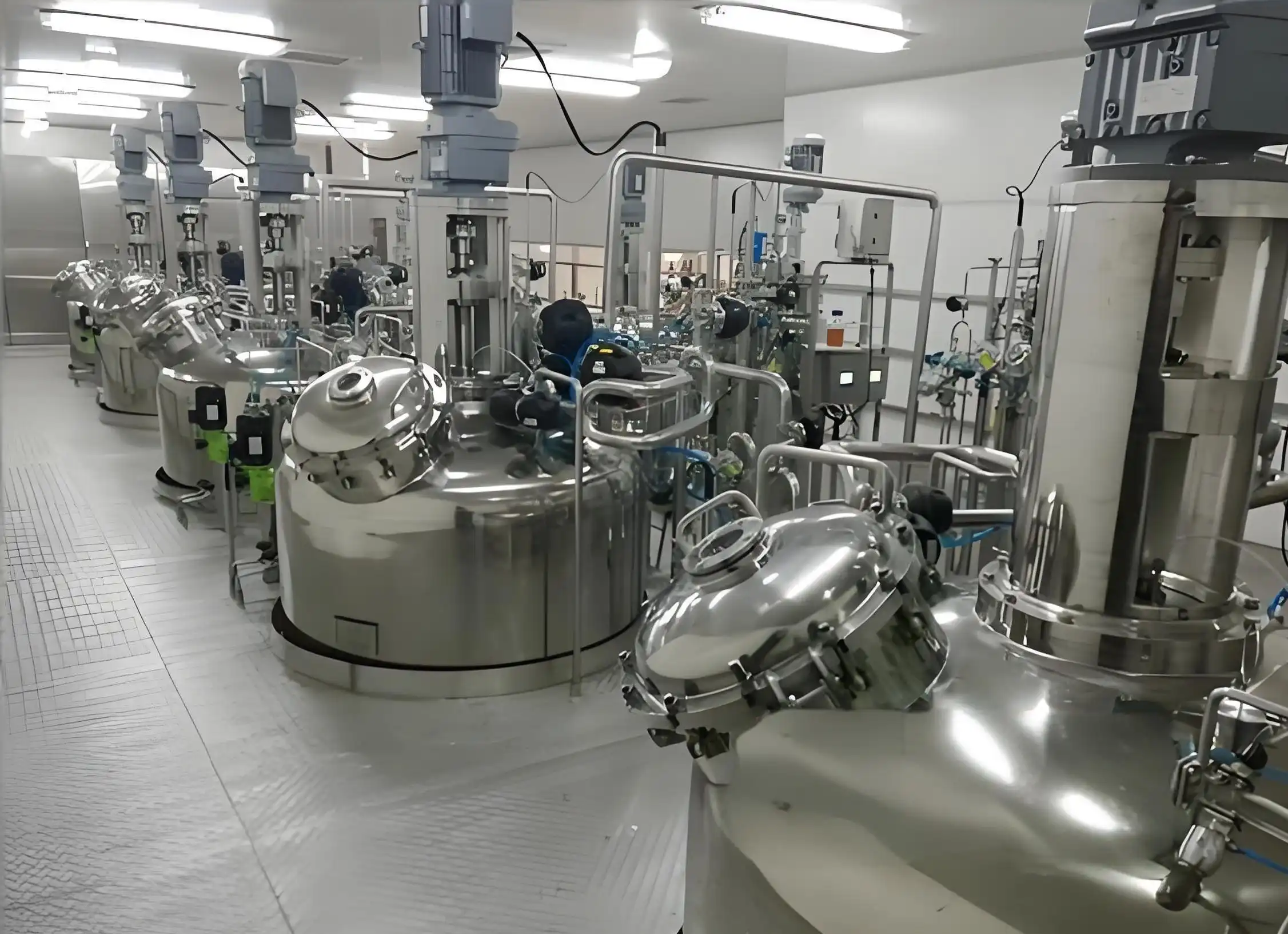
For fermentation-based production, the most important parts are seed cultivation systems, main fermentation tanks (usually 50–100 m³ for industrial scale), separation tools like centrifuges and ion-exchange columns, and units that process the finished product. When choosing equipment, you have to think about how much it will cost to buy and how much it will need to be maintained. To manage high-density cultures' biological activity, stainless steel fermenters require accurate temperature control jackets, numerous feed ports for introducing substrates, and foam control systems. To support aerobic metabolism without harming cells, aeration systems must transfer adequate oxygen. Reliable equipment vendors provide entire solutions, but you need technical information to make sure the systems you purchase fulfil production scale and product quality requirements.
Raw Material Sourcing and Supply Chain Management
Good supplier relationships are crucial to earning money since feedstock expenses account for 40–50% of output costs. In Isoleucine Production Technology, hydrolysing maize or cassava starch yields glucose, the major carbon source. How crops are cultivated affects glucose supply. Dealing with several sellers reduces pricing and supply risks. Farming commodities markets that alter often need this. Nitrogen sources such soybean meal hydrolysate, corn steep liquor, and manufactured ammonia require quality criteria that balance performance and cost. Trace elements and growth factors affect microbial production despite relatively modest levels. Partnerships with speciality chemical merchants ensure you always have fermentation-grade phosphates, magnesium salts, and B-vitamin complexes.
Regulatory Compliance and Sustainability Standards
Production sites must follow many regulations depending on their market. Companies must use HACCP, ISO 22000, or FSSC 22000 certification to create food-safe isoleucine. Current good manufacturing practice (cGMP) requires tight environmental controls and documentation for pharmaceutical manufacture. Most animal feed follows FAMI-QS or local feed safety criteria. Wastewater disposal, air pollution, and solid waste need environmental permits. Modern biological wastewater treatment systems break down fermentation waste to meet release criteria and collect biogas for energy balance. Organic and carbon neutrality certificates are becoming more significant in the procurement process, particularly for environmentally conscious European and North American clients.
Optimizing Isoleucine Production Performance
Overcoming Fermentation Scale-Up Challenges
Lab fermentation conditions seldom work industrially without changes. Due to their lower surface-to-volume ratio, large tanks impede oxygen transport. Optimising turbine design, adjusting aeration rates, and utilising pure oxygen instead of compressed air will fix it. Metabolic activity creates a lot of heat to maintain body temperature, making heat disposal challenging. A cooling jacket is needed. Maintenance is needed to maintain strain performance during manufacture. Start with frozen master cell banks and advance to larger seed fermenters for inoculum. This allows cells to reach the main production tank during exponential growth, when they biosynthesise most. Scale increases contamination risk, therefore clean media, trucks, and transfer lines. CIP and SIP decrease mistakes and monitor compliance.
Quality Control and Yield Maximization Techniques
Analytical skills help you manage product requirements and identify production errors. HPLC amino acid testing, chiral purity testing, residual moisture testing, microbiological contamination testing, and heavy metal testing are essential quality control issues. Inline surveillance of pH, dissolved oxygen, optical density, and glucose content allows real-time process adjustments during fermentation. Maximising output requires optimising fermentation and downstream recovery efficiency. Centrifugation factors impact cell removal, which affects filtering progress. Isoleucine Production Technology involves ion-exchange chromatography requiring resin renewal to maintain capacity. Based on performance, resin should be updated regularly. Crystallisation conditions including temperature profiles, seeding techniques, and solvent ratios affect product clarity and crystal size.
Continuous Improvement Through Lean Manufacturing
Production operations employ growth approaches when they convert from reactive problem-solving to proactive optimisation. Value stream mapping identifies non-value-added tasks such transferring unnecessary materials, waiting between process stages, and repeating quality checks. Lean principles reduce batch cycle times, minimise WIP, and optimise tool utilisation. Industry 4.0 integration with digital transformation systems gathers production data for statistical process control and predictive analytics. Machine learning algorithms trained on historical batch data may predict yield based on early fermentation variables. Fixing issues before they occur. This data-driven approach to Isoleucine Production Technology management increases OEE by 15–25% in the first year.
Industry Trends and the Future of Isoleucine Production
Emerging Demand Patterns Across Market Segments
Isoleucine is becoming increasingly popular in low-protein poultry and pig diets as the animal nutrition business grows. Precision feeding with balanced amino acid profiles reduces total protein by 2–3% without impacting growth. Less nitrogen emitted into the environment benefits the economy and ecology. BCAA supplements, which aid muscles repair and stamina, are developing quicker in sports nutrition and nutritional supplements sectors. People make premium items because branched-chain amino acids activate the mTOR pathway for protein creation. Quick powders with greater solubility and bland flavours are required for useful beverages. This allows for more value-added goods than commodity-grade materials.
Breakthroughs in Synthetic Biology and Bioengineering
Isoleucine Production Technology is being rethought by cutting edge research that uses synthetic biology methods that go beyond standard metabolic engineering. Scientists are creating completely fake biosynthesis pathways using non-natural enzymes that are more efficient at catalysis and have different substrate specificities. Cell-free biosynthesis systems get rid of the problems that come with keeping organisms alive, which could lead to ongoing output and easier processing further down the line. CRISPR-based genome editing reduces strain creation time from years to months. Short design-build-test cycles improve hundreds of genetic variables repeatedly. Pre-lab genetic alterations may be predicted using metabolic network computer models. This dramatically improves research results and decreases costs. These technologies provide medium-sized manufactures access to sophisticated strain engineering capabilities formerly reserved for large enterprises with large research funding.
Strategic Recommendations for B2B Procurement
After recent global events, supply chain stability is crucial. Divide your source choices among areas to reduce concentration risk, but consider the time-saving advantages of combining purchases. Look beyond price at a supplier's technical skills, such as research and development, process control, and compliance, to avoid quality issues that could lead to expensive product returns or government legal action. Partnerships are replacing transactional purchases. This applies especially to companies creating new formulations or product categories. Tech companies like Asianbios may help with equations, testing, and technical advice to provide you a competitive edge with unique standards and application support. Long-term supplier relationships with volume assurances may help you price and use capacity in constrained markets.
Conclusion
Isoleucine Production Technology is where biological innovation, industrial engineering, and market factors come together to make important building blocks for many different uses. Microbial fermentation has become the most popular way to make things because it is more environmentally friendly, more pure in terms of stereochemistry, and more cost-effective than chemical options. To successfully apply this technology, you need to find a balance between knowing a lot about the process and being able to do things locally. This is why the 30% process and 70% application principle is so important for long-term operations.
FAQ
1. What makes microbial fermentation more cost-effective than chemical synthesis for isoleucine?
For fermentation, natural carbohydrate feedstocks are used, which are usually cheaper than petrochemical precursors, especially when they come from nearby to cut down on shipping costs. The process naturally creates the L-enantiomer that is wanted, without the need for expensive steps for chiral separation that are needed in chemical synthesis. The costs of complying with environmental laws are much lower because fermentation produces waste streams that break down naturally instead of dangerous chemical leftovers. When industrial production levels go above 50 tons per year, these factors work together to lower total production costs by 30 to 50 percent.
2. How do I evaluate supplier reliability for Isoleucine Production Technology?
Check the technical skills of a company by doing site checks that look at quality assurance labs, process control systems, and sophisticated equipment. Check out certifications like ISO 9001, FSSC 22000, and HACCP, as well as grade-specific standards like cGMP for pharmaceutical uses. Ask for batch uniformity data that shows the purity standards were met in multiple production runs. Check the research and development (R&D) capabilities, which shows if it can meet special needs or fix problems with applications. References from current users and signs of good financial health can be used to check the security of a supply chain for Isoleucine Production Technology.
3. What sustainability advantages does fermentation-based production offer?
Instead of fossil fuels, fermentation uses carbon sources from plants. This lowers greenhouse gas emissions by 40–60% compared to chemical production routes. Biodegradable waste streams are often reused in agriculture or to make biogas, which supports the ideas of a circular economy. When current process water recovery systems are put in place, less water is used. Life cycle assessment methods are being used more and more in the amino acid industry sector to measure environmental performance. This gives clear information for making decisions about sustainable buying.
Partner with Asianbios for Advanced Isoleucine Manufacturing Solutions
Asianbios delivers high-purity L-isoleucine that meets the strict needs of nutritional product makers all over the world by combining cutting-edge bio-fermentation knowledge with full technical support. As a well-known company that supplies Isoleucine Production Technology, we offer standard technical packages along with ongoing localization support. We know that a successful implementation includes more than just process documentation; it also involves developing the supply chain, training teams, and navigating regulations. Our microbial fermentation technology makes isoleucine in the form of a white powder that is safe for use in food and medicine. It comes in 25 kg packages and can be shipped by fast delivery, air freight, or ocean shipping. We're happy to answer any questions you have, from 1 kg sample amounts to full commercial scale. We also offer OEM and ODM services to support unique specs that are made to fit your formulation needs. Our ISO-certified facilities keep detailed records of quality and can help you with professional testing, recipe optimization, and application technical support all the way through the product creation cycle. Whether you're making sports nutrition supplements, functional drinks, animal feed, or medicine infusions, our expert team can help you with consultative partnerships that speed up time-to-market and make sure you follow all global regulations. Talk to our experts at plantex@asianbios.com about how our isoleucine extraction technology for sale can help you make more products and do your work more quickly.
References
1. Leuchtenberger, W., Huthmacher, K., & Drauz, K. (2005). Biotechnological production of amino acids and derivatives: current status and prospects. Applied Microbiology and Biotechnology, 69(1), 1-8.
2. Ikeda, M. (2003). Amino acid production processes. Advances in Biochemical Engineering/Biotechnology, 79, 1-35.
3. Wendisch, V. F., Bott, M., & Eikmanns, B. J. (2006). Metabolic engineering of Escherichia coli and Corynebacterium glutamicum for biotechnological production of organic acids and amino acids. Current Opinion in Microbiology, 9(3), 268-274.
4. Becker, J., & Wittmann, C. (2012). Bio-based production of chemicals, materials and fuels—Corynebacterium glutamicum as versatile cell factory. Current Opinion in Biotechnology, 23(4), 631-640.
5. Kimura, E. (2003). Metabolic engineering of glutamate production. Advances in Biochemical Engineering/Biotechnology, 79, 37-57.
6. Mitsuhashi, S. (2014). Current topics in the biotechnological production of essential amino acids, functional amino acids, and dipeptides. Current Opinion in Biotechnology, 26, 38-44.

Send Inquiry
Related Industry Knowledge
- Best Isoleucine Production Technology for Industrial Use
- What is Sleep Aid Brewing Powder? Sleep Drink Guide
- What Is Vitamin C Production Technology? Industry Overview
- What Is Threonine Production Technology Explained?
- Benefits of Sleep Aid Brewing Powder for Relaxation
- Why freeze dried strawberry powder is perfect for smoothies and baking?
- Uses of Sleep Aid Capsule for Insomnia Relief Routine
- Benefits of Best Sleep Aid Tablets for Stress Relief
- Best Grape Powder in 2026: Expert Reviews, Health Benefits & Buying Guide
- What do you do with freeze-dried kale powder?