What Are the Benefits of Tryptophan Production Technology?
Modern industry is transformed by Tryptophan Production Technology. Advanced microbial fermentation generates L-tryptophan, an important amino acid, with high purity and efficiency. Traditional chemical synthesis techniques use toxic chemicals like cyanide and benzene, whereas fermentation technology achieves 98.5-99.5% purity and cuts manufacturing costs by 45%. The system provides sustainable, scalable manufacture with 45-65 g/L fermentation broth concentrations and 18-20% sugar-to-acid conversion rates, establishing industry standards. The green manufacturing process removes chemical residues, promotes circular economy principles via 65% wastewater reuse, and fulfills FAMI-QS, USP, and EP certifications for feed, pharmaceutical, and food-grade applications.
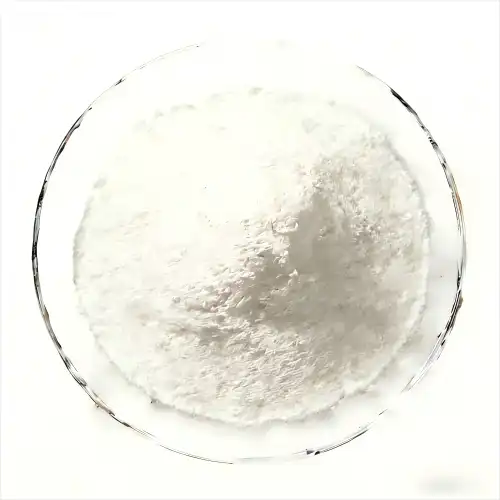
Overview of Tryptophan Production Technologies
Chemical Synthesis Versus Microbial Fermentation
Traditional chemical synthesis was the major way amino acids were synthesized. These techniques employed indole and L-serine as starting ingredients, requiring toxic chemicals to proceed and racemic mixtures that required costly optical resolution stages. These technologies' reaction chains include cyanide and benzene compounds, raising safety concerns.
As the best choice, microbiological fermentation presently controls over 98% of global output. This biological technique combines genetically enhanced Escherichia coli and Corynebacterium glutamicum strains to bypass natural feedback inhibition in aromatic amino acid pathways. Modern strains inhibit tyrosine and phenylalanine metabolic pathways and shift resources to L-tryptophan using metabolic flux studies and recombinant DNA modifications.
Recent Technological Advances
Shikimic acid is the fermentation-based metabolic basis for output. Chorismate, a precursor, is made from glucose from maize or cassava starch hydrolysates. Tryptophan Production Technology uses modified anthranilate synthase, phosphoribosyltransferase, and tryptophan synthase to convert chorismate into L-tryptophan via indole-3-glycerol phosphate in bacterial cells.
Strain management improvements have increased conversion rates by 25% over the previous decade, demonstrating innovation's resilience. Gene editing techniques like CRISPR-Cas9 allow precise regulatory element changes. Allosteric inhibition, which slowed work, is eliminated. Cell factories that solely manufacture amino acids are created by boosting rate-limiting enzyme synthesis and inhibiting competing routes.
Environmental and Economic Considerations
Resource usage research shows that the ways of making things are very different from one another. Chemical synthesis uses petroleum feedstocks that are high in carbon, while fermentation uses food sources that can be used over and over again. Patterns of energy use support biological production, which can work at mild temperatures (35–37°C) instead of the harsh conditions needed for chemical reactions.
Economic models show that on an industrial scale, fermentation-based systems are 45% cheaper per ton than chemical options. This benefit comes from easier handling further down the line, no need to pay to get rid of hazardous trash, and higher returns in a single step. The money spent on fermentation equipment is a smart investment that will save money in the long run and help with regulatory compliance.
Advantages of Microbial Fermentation in Tryptophan Production
Enhanced Productivity and Product Consistency
Through precise kinetic control, fermentation processes that are optimized can produce a huge amount of volume. Industrial systems keep the amounts of fermentation soup between 45 and 65 g/L, which is a big step forward from bioprocesses used in the past. This high-titer production cuts down on the amount of processing that needs to be done later, which lowers the cost of cleaning and the size of the building needed.
Keeping the temperature in the small range of 35°C to 37°C makes sure that enzymes work at their best for the entire 50- to 70-hour fermentation cycle. Keeping the pH level between 6.8 and 7.2 protects cells and stops bad effects from happening. A concentration of dissolved oxygen higher than 35% saturation supports aerobic metabolism, which is needed for glucose conversion to work well.
Sustainability Through Renewable Feedstocks
Picking the right carbon source is a key difference between fermentation and chemical methods that depend on gasoline. Tryptophan Production Technology uses corn starch and cassava hydrolysates, which are farm products that can be used over and over again to make glucose bases. This biological start leaves a much smaller carbon impact than chemical compounds that come from fossil fuels.
Integration of the circular economy goes beyond basic raw materials. Corn steep liquor, which is a nutrient-rich waste result of making starch, can be used to add nitrogen and growth factors to plants. This reuse of farm processing lines is an example of industrial symbiosis, which makes the whole system more sustainable.
Waste Management and Environmental Impact
Advanced wastewater treatment in fermentation facilities reuses 65% of the product. Biochemical treatment converts organic waste into biomass and biogas, capturing energy and reducing trash. This closed-loop technology decreases freshwater and waste water consumption, meeting expanding government limits on industrial water use.
Fermentation removes chemical residues that make synthesis harder to remove. Cyanide compounds, benzene derivatives, and halogenated liquids are absent, making waste streams simpler to comprehend and cheaper to clear. It's easy to fulfill environmental standards without handling risky materials during manufacturing.
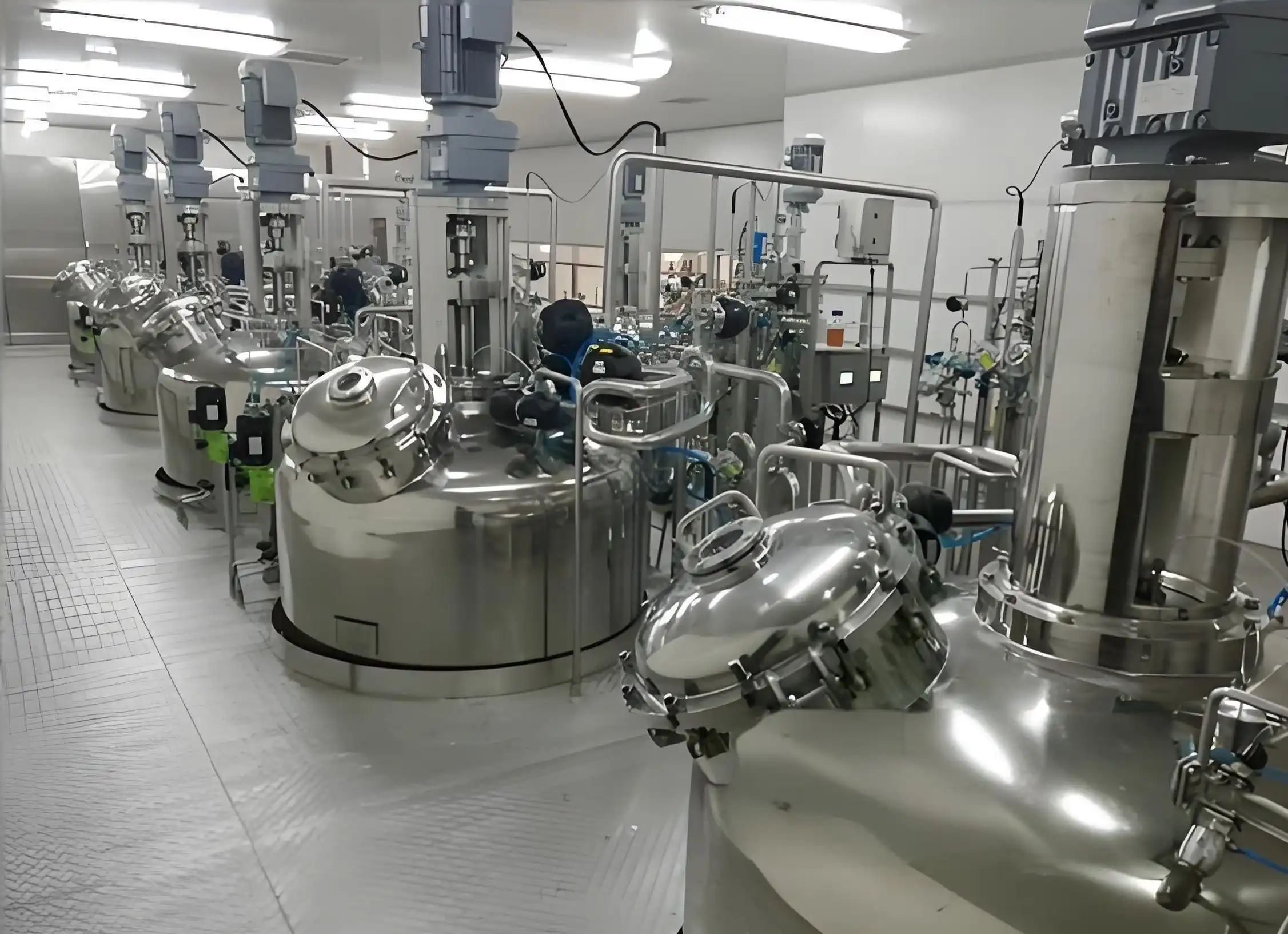
How Innovations in Tryptophan Production Technology Solve Industry Challenges
Mitigating Safety and Environmental Risks
The steps involved in chemical synthesis are naturally dangerous and need a lot of safety equipment. Cyanide handling procedures, benzene exposure controls, and the ability to respond to emergencies are all big problems that need to be solved. These risks are completely eliminated in fermentation-based production, which uses food-grade materials and safe handling conditions.
This change in the safety profile lowers insurance costs, makes following the rules easier, and improves the health and safety of the workers. Facilities that make things can move resources from reducing risks to improving quality and streamlining processes. Not having any dangerous chemicals also makes it easier to choose a spot because it is easier to get environmental permits and get approval from the community.
Enzyme Technology and Biosynthetic Pathway Optimization
Metabolic engineering progress has carefully addressed feedback inhibition processes that limited the performance of early fermentation. When amounts hit physiological levels, tryptophan automatically tells the machinery inside cells to stop making synthesis enzymes. This self-limiting behavior stopped large-scale buildup until tools for molecular biology made it possible to change the regulatory circuit.
Modern production strains use less sensitive anthranilate synthases that cannot bind to tryptophan at allosteric regulatory sites. This single alteration boosts metabolic carbon flow. With higher gene copy numbers for gradual stages, Tryptophan Production Technology and modified strains can produce more than wild-type organisms.
Real-World Industrial Validation
Large-scale application data shows that the technology is mature and can be used in business. Several factories in Asia, North America, and Europe now use fermentation-based systems to make thousands of metric tons of goods every year. This broad acceptance gives procurement pros a wide range of suppliers and makes the market more competitive.
Manufacturers of feed additives say that the quality of the material they get from fermentation is always good, and that impurities like kynurenine and similar chemicals are kept within strict limits. This dependability lets exact feed formulation happen, which supports low-protein diet tactics that lower nitrogen loss in pig and chicken farms.
Comparison and Decision-Making: Choosing the Right Production Method
Cost Structure Analysis
Chemical and biological industrial methods have very different trends of capital expenditures. Facilities that do chemical synthesis need furnaces that don't rust, special ways to handle dangerous materials, and a lot of safety equipment. Because of these requirements, the original investment needs are higher, and there are ongoing maintenance costs.
Bioreactor systems, which are mostly made of simple materials like stainless steel tanks with temperature control, agitation systems, and sterile air supply, are what fermentation processes depend on. Advanced technology improves performance, but basic fermentation can still be done at a number of different scales, which supports methods for gradually increasing capacity.
Yield Performance and Operational Complexity
First, theoretical yield estimations are employed to screen, but real-world manufacturing yields reflect investment performance. Tryptophan Production Technology gets 18–20% sugar-to-product conversion rates in fermentation systems, that implies they obtain value from carbon sources. This performance has been optimized over many years by improving the approach and pressure.
Operational complexity includes more than just regular output. It also includes things like upkeep, troubleshooting, and how things change as they get bigger. Fermentation processes have consistent scaling relationships from the lab to the pilot scale to the commercial scale. These relationships are based on well-known engineering connections for mass transfer and mixing. This ability to grow lowers the technical risk of projects that increase capability.
Supplier and Technology Partner Evaluation
More than unit pricing bids should guide vendor selection. Long-term reliability and productivity depend on fermentation equipment quality. The impeller form, sparger arrangement, and sensor quality affect bioreactor oxygen flow and monitoring.
Technology companies differentiate themselves with intellectual property like microbial strain behavior. Genetic engineering and extensive screening provide proprietary lines a competitive advantage in conversion and longevity. Licenses should specify who may use the work, where, and how to contribute improvements.
Procurement Guide for Tryptophan Production Technologies
Essential Equipment and Infrastructure
Bioreactor selection is the most crucial fermentation process purchase. Industrial systems range from 10,000-liter test scales to 200,000-liter containers. Planning capacity should take into consideration predicted demand increases and the fact that many smaller vessels might provide you greater operational flexibility than one large ship.
Key bioreactor characteristics include precise temperature control (±0.5°C), pH control, and dissolved oxygen maintenance. Advanced units automatically feed glucose and nitrogen depending on metabolic needs. This avoids substrate inhibition and nutritional constraint while increasing production.
Vendor Selection and Supply Continuity
Credentials of technology providers require careful research. Established vendors show practical knowledge on a business scale, success data that has been recorded, and access to past customers. Site visits to production facilities that are actually working are a great way to confirm what they say they can do and give you a chance to test the quality of support through talks with customers.
After recent issues, global supply chain stability is increasingly crucial. Buying strategies should include Tryptophan Production Technology, vendor geography, how they handle commodities, and their transportation networks. Having many competent suppliers for critical items reduces risk and keeps costs low.
Turnkey Solutions and Licensing Options
Full technology kits shorten the time it takes to deploy and lower the technical risk. Turnkey services include buying tools, designing the building, improving the process, and training the operators all in one package. This method works especially well for businesses that are new to fermentation technology or that are entering new markets with short growth windows.
License agreements let people use secret microbe types and process know-how that was created through a lot of research and development. When evaluating, it is important to look at upfront licensing fees, continued royalty structures, and options for sharing improvements. Geographic access terms may be worth paying more for in areas where there isn't much competition.
Conclusion
Modern fermentation-based systems are the only way to make amino acids in a way that is both sustainable and cost-effective, and Tryptophan Production Technology has become a key example of how these advanced bioprocesses can achieve high efficiency and consistent product quality. If you compare this technology to older ways of making chemicals, you can see that it is better for the earth, safer to use, makes better products, and saves money. Microbial production meets higher standards for purity while using green feedstocks and safe working conditions that get rid of the need to handle dangerous materials.
For strategic execution to work, suppliers must be carefully evaluated, technology must be transferred completely, and short- and long-term business goals must be met. Companies that invest in fermentation skills put themselves in a good situation in markets that are putting more value on sustainability standards and supply chain resilience. The success of large-scale operations around the world shows that the technology is mature and can be used in feed, food, medicine, and supplements.
FAQ
1. What purity levels can fermentation technology achieve?
Pharmaceutical-grade and feed-grade L-tryptophan are commonly produced by fermentation at 99.5% and 98.5% purity, respectively. Advanced downstream filtering procedures include ion exchange chromatography and recrystallization remove bacterial endotoxins, proteins, and residues like kynurenine. We meet FAMI-QS, USP, and EP heavy metal and microbial contamination standards. This ensures feed, food, and drug safety.
2. How does fermentation compare economically to chemical synthesis?
Chemical synthesis methods cost 45% more per ton than fermentation on an industrial scale. This benefit comes from using green feedstock, not having to pay to get rid of hazardous trash, making downstream processes easier, and better conversion efficiency. As constant strain optimization raises productivity, the benefits of lower operating costs grow over time. On the other hand, chemical synthesis has to deal with rising regulatory costs and volatile raw material prices.
3. What applications benefit most from high-purity tryptophan?
In low-protein pig and chicken feed, tryptophan is the second or third limiting amino acid, boosting growth and reducing nitrogen loss. Pharmaceutical applications for sleep problems and mood enhancement need ultra-pure material as a metabolic source for serotonin and melatonin. Infant formula must fulfill purity criteria to include amino acids like those in breast milk. This aids brain growth and circadian rhythm.
Partner with Asianbios for Advanced Amino Acid Manufacturing Solutions
Asianbios offers reliable solutions for the production of tryptophan by combining its knowledge of biotechnology with its wide range of manufacturing skills. Our fermentation systems have the best conversion rates in the business (18–20%) and batch consistency below 4% RSD, which means that supply chain success can be predicted. We keep our ISO9001, FSSC22000, CGMP, HALAL, KOSHER, and organic certificates, which show that we are committed to high standards that are known all over the world.
Asianbios provides customized solutions that help you reach your business goals, whether you need high-purity raw materials or a fully operational production line. Get in touch with our technology experts at plantex@asianbios.com to talk about your unique needs. As a provider of Tryptophan Production Technology with a lot of experience, we're excited to help your manufacturing success with our reliable goods, quick service, and proven knowledge.
References
1. Chen, Y., & Nielsen, J. (2021). Metabolic engineering of microorganisms for amino acid production: recent advances and industrial applications. Biotechnology Advances, 48, 107-125.
2. Hermann, T. (2020). Industrial production of amino acids by coryneform bacteria: current status and future challenges. Journal of Biotechnology, 311, 45-62.
3. Park, S. J., & Lee, S. Y. (2019). Systems metabolic engineering of Escherichia coli for L-tryptophan production. Microbial Cell Factories, 18(1), 89-104.
4. Rodriguez, A., Martinez, J. A., & Flores, N. (2022). Advances in fermentation technology for amino acid production: process optimization and sustainability considerations. Bioprocess and Biosystems Engineering, 45(3), 467-483.
5. Takahashi, S., Ogawa, K., & Kino, K. (2020). Biosynthetic pathways and metabolic engineering strategies for L-tryptophan production in bacteria. Applied Microbiology and Biotechnology, 104(15), 6451-6467.
6. Zhang, L., Wang, X., & Chen, N. (2023). Green manufacturing of amino acids: comparative lifecycle assessment of fermentation versus chemical synthesis routes. Industrial Biotechnology, 19(2), 78-93.

Send Inquiry
Related Industry Knowledge
- Advanced Production Technology Of Ergothioneine Explained
- What Drives Innovation in Isoleucine Production Technology?
- How Tryptophan Production Technology Improves Yield
- Where can i buy freeze dried strawberry powder?
- How Isoleucine Production Technology Supports High Efficiency
- Sleep Aid Brewing Powder Guide for Better Sleep Ritual
- Sea Buckthorn Freeze-Dried Powder Guide 2026: Skin, Health Benefits & How to Use It
- Freeze Dried Strawberry Powder: How to Make, Benefits and Uses
- Benefits of Threonine Production Technology in Feed Additives
- What do you do with freeze-dried kale powder?