Which Factors Raise Threonine Production Plant Cost Most?
The major factors that influence the threonine production plant cost are design of capacity, fermentation and downstream process, utilities, and project scope. The bigger the fermenter volume, the more stainless steel, aeration, chilling and sterilising capacity you require. Down stream recovery adds membrane filtering, ion exchange, crystallisation and drying equipment. Steam, electricity, water and wastewater treatment also drive investment at the plant, while automation and quality compliance add additional capital. Often the scope is unclear and this might disguise more expenditures. In this tutorial I’ve broken down each driver, separated CAPEX from OPEX and shown how procurement managers, plant engineers, OEM purchasers and investors may seek a more accurate turnkey price.
Most of the budget is missed by many customers who merely evaluate equipment pricing. A comprehensive investment also includes land preparation, civil work, labs, packing, installation, commissioning, engineering and regulatory compliance. I maintain four parameters separate throughout: equipment cost, total capex, operational costs and lifetime ownership cost. By separating plants in this way, one may more equitably compare the cost of threonine manufacturing from plant to plant.
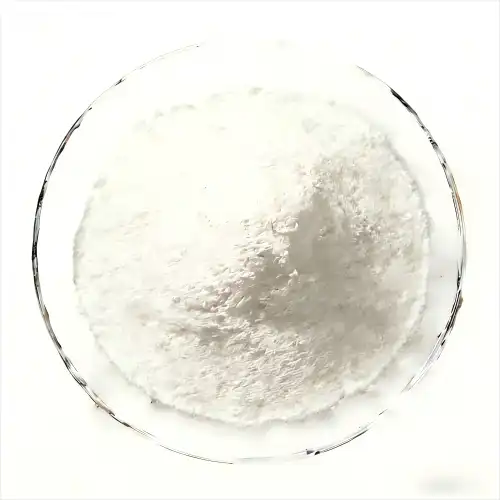

Capacity and Process Choices Behind Threonine Production Plant Cost
Production Capacity Sets the Threonine Production Plant Cost Baseline
Annual output, batch size, fermentation volume and equipment load determine the starting point of threonine manufacturing plant cost. Small facilities require less capital, but distribute fixed expenditures across fewer salable tonnes, so cost per kilogram runs higher. A big facility has economies of scale but requires additional fermenters, utilities, storage and downstream capacity. If demand is not proved, modular construction or gradual growth is a good option. The largest planning mistakes I notice are excessive equipment, not enough storage and insufficient designated space for a second product line. Sizing to verified demand bypasses all three.
Fermentation Section: Where Process Parameters Meet Steel
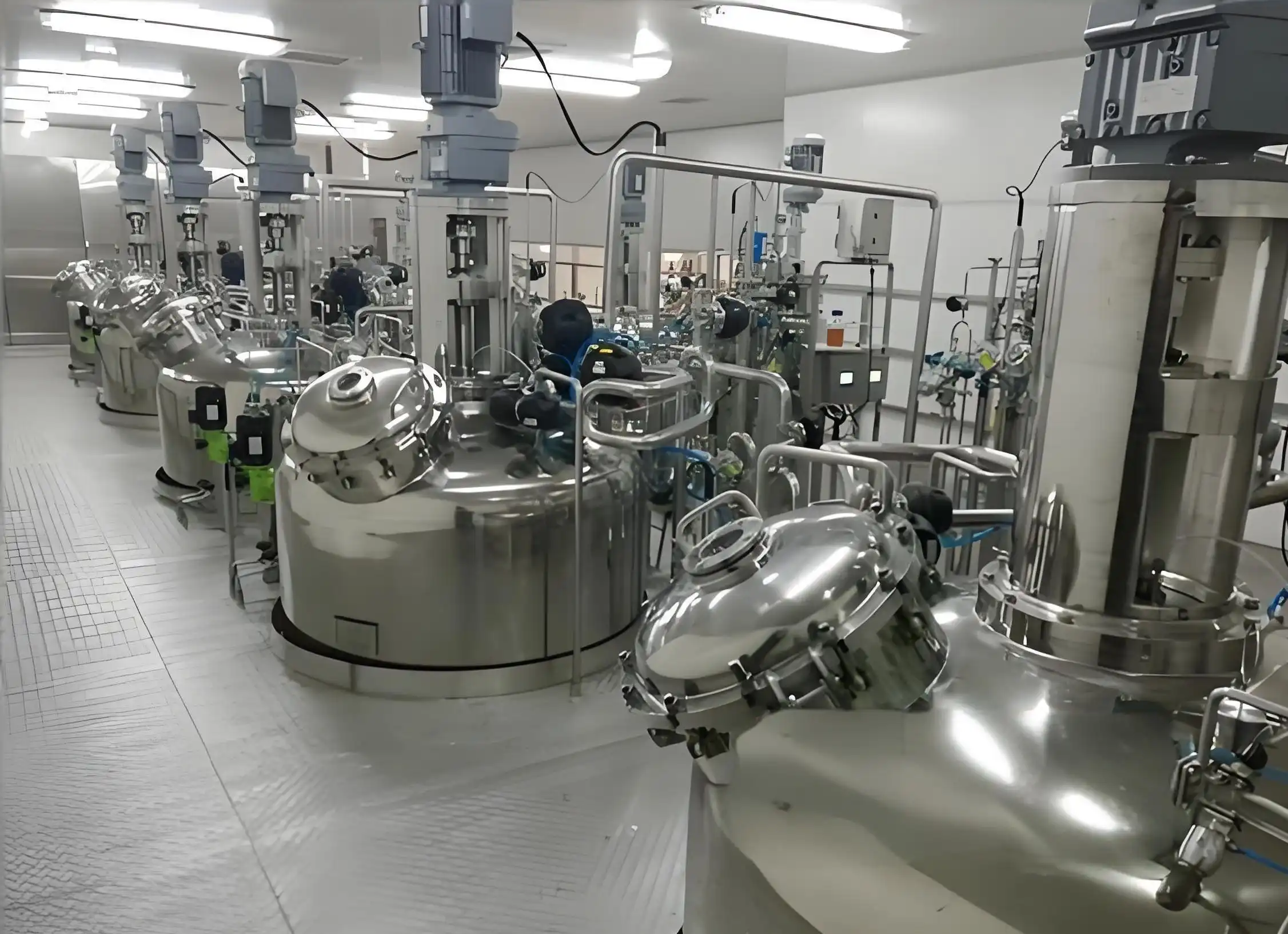
The fermenting area often has the longest queue of equipment. In our procedure, maize or cassava starch hydrolysed sugar and liquid ammonia were used as carbon and nitrogen sources. It is maintained at 37 °C, pH 6.8–7.2 and dissolved oxygen >30% saturation for 40–50 hours. These factors govern vessel design including stainless-steel grade, aeration capacity, cooling duty and sterilisation systems. The greater the titer, the less fermenter capacity a facility needs to achieve the same yearly tonnage, hence strain performance is directly related to capital. Asianbios technology materials quote titers of >120 g/L thus I asked for pilot data before sizing containers.
Downstream Processing and Integrated Lines
The downstream procedures are fixed: membrane filtering, adsorption on ion exchange resin, decolorisation, concentrated crystallisation and drying. There are essentially no additional amino acids in the fermentation broth, which simplifies purification and allows to manage the sizing of resin and crystalliser. The feed-grade product is at least 98.5% pure. And although an integrated line may have a higher upfront cost than standalone machines, it lowers engineering interfaces, installation risk, product loss and commissioning time. Here’s how each driver impacts the budget.
| Cost driver | Why it raises cost | How I control it |
|---|---|---|
| Capacity | More vessels, utilities, storage | Size to verified demand; phase expansion |
| Fermentation | Steel grade, aeration, cooling | Confirm titer with pilot data |
| Downstream | Filtration, resin, crystallizer, dryer | Choose an integrated line |
The three drivers precede the construction itself which accounts for most of the equipment expense.
Site, Utilities, and Compliance Add to Threonine Production Plant Cost
Site, Civil Works, and Infrastructure
Site costs might have a greater impact on the ultimate budget than purchasers think. The equipment quote does not include land, foundations, manufacturing buildings, warehouses, loading spaces, fire protection, drainage and internal logistics. “Local labour rates, import duties on equipment, grid reliability, environmental rules and distance to suppliers or ports should be in the feasibility study from day one.” A U.S. location with existing highway or rail connectivity, spare power capacity and process water may reduce utility work. I think of these things as key inputs, not footnotes.
Energy, Steam, Water, and Wastewater
Fermentation plants use energy, steam, process water, cooling water and compressed air. The most energy intensive operations are sterilisation, evaporation, temperature control and drying which have a considerable effect on cost per tonne. Wastewater has to be treated biochemically, and U.S. facilities often require discharge licenses under the Clean Water Act. Treated wastewater may be reused, and bacteria residue can be utilised as organic fertiliser or protein feed, reducing disposal costs, according to Asianbios materials. But treatment tanks and permits add capital, therefore I urge purchasers to price them early in threonine manufacturing facility cost planning.
Automation, Quality Standards, and Compliance
Manual, semi-automatic and fully automated systems vary in their labour requirements, uniformity, data traceability and maintenance. PLC or SCADA systems monitor pH, dissolved oxygen, temperature, feed rate and off-gas analysis, which helps avoid foaming and contamination. A lab must test for purity, moisture and microbiology and our feed-grade requirements requires heavy metals and microbiological indicators to fulfil FAMI-QS and USP. Some markets may need a factory to be HACCP, GMP or ISO certified. These things increase upfront investment yet they reduce rejected batches, and instil buyer trust in threonine production technology.
Operating Costs and Supplier Scope Decide the Real Threonine Production Plant Cost
Raw Materials, Labor, and Recurring Costs of Threonine Production Plant Cost
Production economics is not reflected in an equipment quote. The operational budget covers starch hydrolysate, liquid ammonia, nutrients, water treatment chemicals, packaging, labour, maintenance, utilities and waste treatment. The staffing is driven by automation and includes fermentation, quality control, maintenance, packing, warehousing and regulatory tasks. Also, spare parts, sanitation, down-time, off-specification batches and product loss during filtering, crystallisation or drying contribute extra. I estimate everything per salable tonne, since that number allows me to compare two plant layouts on a fair basis.
Equipment Configuration: New Versus Used
New equipment often offers more powerful customisation, warranty coverage, efficiency, documentation and compliance assistance. Used equipment may save CAPEX but also increases inspection effort and integration risk, particularly on the sterile fermentation components where a single weld or valve defect can lead to contamination. Local and foreign sources have different standards, lead time, logistics, installation and after sales support. I compare delivered and installed pricing, not ex-works costs since imported equipment might include tariffs and ocean freight. I compare the purchase price saved against the inspection cost and want comprehensive documentation in any case.
Supplier Selection and Quotation Scope
Two similar seeming quotes might be very different in scope. The whole turnkey package must include: engineering, equipment, utilities, layout, installation, commissioning, training, spare parts, warranty, delivery and exclusions. When I assess a provider, I look at amino acid fermentation expertise, reference projects, documentation quality, customisation and lifetime value. Asianbios provides a standard technical package with continued support. Our experience is that effective application is 70% localisation implementation and 30% process. Hence, local execution influences threonine manufacturing plant cost as much as the process.
Project Risks and Lifetime Ownership Shape Threonine Production Plant Cost
Hidden Overruns Behind Threonine Production Plant Cost
Most overruns begin with insufficient specifications, late changes in product quality, poor coordination, low utility capacity, permit delays, or poor commissioning. The feasibility analysis proves the demand, the goal capacity, the raw material supply, the environmental obligations, the operational cost and the returns before anybody purchases the equipment. I would suggest freezing the process design, asking for itemised CAPEX and OPEX estimates, distinguishing between critical systems and optional improvements, and drafting quantitative performance guarantees. Factory Acceptance Testing, Site Acceptance Testing and Structured Operator Training help reduce surprises to a minimum. Early concept estimates have huge ranges. For example, the low end of the range may be -20% to -50% and the high end of the range may be +30% to +100%. Thus early figures need contingencies. - AACE International
Comparing CAPEX, OPEX, and Total Cost of Ownership
Here is how I broke out the budget so quotes compare neatly.
| Category | Typical items |
|---|---|
| CAPEX | Land, construction, fermentation, purification, crystallization, drying, packaging, utilities, automation, laboratories, installation, engineering, contingency |
| OPEX | Raw materials, energy, labor, maintenance, wastewater, packaging, testing, logistics, production losses |
| Total cost of ownership | CAPEX plus OPEX, upgrades, downtime, spare parts, expansion, decommissioning |
Manufacturing cost per tonne = yearly operating expenditures / Salable yearly production. I utilise salable output and not theoretical capacity since theoretical statistics conceal losses.
ROI and Payback Before You Build
Payback time = Initial investment / Annual net cash flow but a credible model does more. Inputs include salable production, selling price, operating rate, raw material and utility cost, labour, maintenance, taxes, finance, logistics and ramp-up time. I run cautious, anticipated and optimistic scenarios, and add commissioning delays. The key drivers of profitability are yield, operating rate, energy efficiency, product quality and off-take agreements. I avoid a model that implies full production or theoretical yield because it feeds payback. Threonine is the second limiting amino acid in pig feed and the third in poultry feed, which stimulates demand, but a buyer still requires signed volume.
Practical Ways to Control Threonine Production Plant Cost and Request a Quote
Strategies That Lower Threonine Production Plant Cost Without Cutting Quality
The goal of cost reduction should be the lifespan performance not the lowest price of equipment. Size to known demand. Use modular design. Leave room for growth. Don’t over-size. Process work should aim at fermentation yield, productivity, heat recovery, water reuse, drying energy and product recovery. Automate the repetitive, the high-risk and the data sensitive tasks first. Compare providers on energy usage, service support, warranty, spare parts, equipment life and commissioning skills. The aim is an affordable per-ton cost for a reliable plant using threonine production technology, not a lower initial bid.
Procurement Checklist for a Threonine Production Line Quotation
We require comprehensive buyer info for accurate quotes. The table details what each party needs to provide.
| Buyer provides | Supplier submits |
|---|---|
| Product grade, purity, annual capacity | Process flow diagrams, layouts |
| Packaging format, certifications | Equipment list, utility consumption |
| Site conditions, raw material specifications | Material standards, installation plan |
| Automation preference, delivery location, timeline, budget | Testing procedures, warranty, spare-parts list, reference projects |
Before signing I verify if the offer is for equipment only or complete turnkey. I include any exclusions and responsibilities for installation, permits, delays and design changes.
How Asianbios Supports Threonine Production Plant Cost Planning
Asianbios provides a threonine manufacturing technique via microbial fermentation. The final L-threonine is sent out in 25 kilogram barrels via express, air or sea. We provide experimental validation and technical assistance via our facilities. We offer standardised technical solutions with continued support. I also advise purchasers to prepare for legal compliance, supply chain and sales team development and management skills since these are the areas which determine whether a factory achieves intended production.
Conclusion
The cost increase for the threonine production plant cost is driven by capacity, fermentation and downstream process design, utilities, compliance and project scope. Capacity is the start and the equipment spend is driven by the capacity of the fermenter, the titer and the steps to recover. Quotations often do not include capital added by site work, steam, electricity, water and wastewater treatment. Automation and quality systems increase initial expenditure but reduce rejected batches. The true economics are the operating expenses, calculated per tonne of salable product. If two quotes are equivalent, it is going to depend on the scope of the suppliers. Hidden overruns arise from inadequate specifications and late revisions, thus a frozen design, itemised CAPEX and OPEX and conservative payback scenarios result in a more solid budget. The lowest purchase price is seldom the lowest cost during the product life.
FAQ
1. Which equipment raises threonine production plant cost most?
The bulk is normally taken up by the fermenters with their aeration, chilling and sterilising systems. Then comes crystallisation, drying and utilities. Exact shares vary with capacity, titer, and automation, so I don’t use general numbers.
2. Is small-scale production commercially practical?
It can work for pilot, speciality or OEM quantities, but the fixed expenses are distributed across fewer tonnes and the cost per kilo goes up. Modular / phased construction let customers start out with a smaller capacity and scale it up as demand increases.
3. What should a turnkey quotation include?
The turnkey quotation should include design, equipment, utilities, layout, installation, commissioning, training, spare parts, warranty, delivery, exclusions and performance guarantees.
4. Should I buy new or used equipment?
New equipment has a greater guarantee and documentation. Used equipment reduces CAPEX, but increases inspection and integration risk.
Request a Customized Threonine Production Plant Cost Estimate from Asianbios
Are you looking for a threonine production plant cost supplier with each line? Please provide your yearly capacity, product grade, location, utilities and automation demands to Asianbios at plantex@asianbios.com. We provide standardised technical packages, lab verification, OEM/ODM assistance, fast answers. We are supported by CGMP, ISO9001 and FSSC22000 certifications. We will create an itemised perspective of equipment CAPEX OPEX and cost per tonne. See asianbios.com for information.
References
-
Peters, Timmerhaus, and West, Plant Design and Economics for Chemical Engineers, 2003
-
Towler and Sinnott, Chemical Engineering Design, 2013
-
AACE International, Cost Estimate Classification System – As Applied in Engineering, Procurement, and Construction for the Process Industries (Recommended Practice 18R-97), 2020
-
Lee et al., Systems Metabolic Engineering of Escherichia coli for L-Threonine Production, Molecular Systems Biology, 2007
-
Leuchtenberger, Huthmacher, and Drauz, Biotechnological Production of Amino Acids and Derivatives: Current Status and Prospects, Applied Microbiology and Biotechnology, 2005
-
Doran, Bioprocess Engineering Principles, 2013
About the Author

Asianbios
Our purpose is to forge a legacy of stewardship, advancing initiatives that honor and preserve the ecological integrity of our planet.

Send Inquiry
Related Industry Knowledge
- Pure Artichoke Extract for Liver Health: What to Know
- Sleep Aid Brewing Powder Benefits for Modern Sleep Support
- What Temperature Should a Low-Temperature Evaporator Maintain?
- Brightening peptide powder for Skin and Tissue Research: Key Applications
- White Kidney Bean Extract: The Silent Hero in Weight Management
- Disc Centrifuge Machine vs. Traditional Separators: Key Differences
- Is stevia extract good or bad for you?
- Sleep Aid Brewing Powder Guide for Better Sleep Ritual
- What Is Vitamin C Production Technology? Industry Overview
- Kiwi Dried Powder for Drinks: Boost Flavor and Nutrition