Hyaluronic Acid Powder: Deep Hydration & DIY Serum
When sourcing hyaluronic acid powder bulk for your product line, you're investing in one of skincare's most scientifically validated hydration ingredients. This naturally occurring glycosaminoglycan holds up to 1,000 times its weight in water, making it essential for formulating serums, supplements, and functional cosmetics. Whether you're a procurement manager, OEM partner, or distributor, understanding bulk sodium hyaluronate powder's composition, applications, and supplier quality benchmarks transforms raw materials into consumer trust and market differentiation.

Understanding Hyaluronic Acid Powder Bulk: Composition, Benefits & Applications
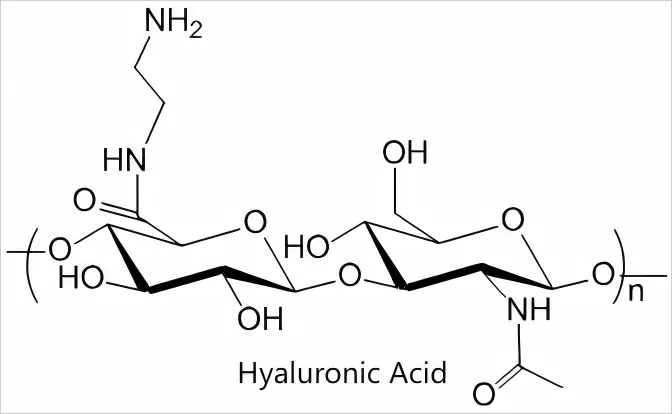
Hyaluronic acid is a long polysaccharide made up of D-glucuronic acid and N-acetyl-D-glucosamine disaccharide units that repeat. Streptococcus zooepidemicus is used in modern hyaluronic acid powder bulk production to eliminate differences caused by animals and ensure uniform molecular weight patterns. This biotech method produces pharmaceutical-grade purity, usually higher than 98% HPLC purity, while still being vegan-friendly and stable from batch to batch.
Molecular Weight Variations and Functional Benefits
The biological action and viability of an application are based on the molecular weight. Low molecular weight hyaluronic acid (10 kDa to 1,000 kDa) efficiently enters the stratum corneum, deeply moisturizing the dermis and encouraging the production of collagen. High molecular weight versions (over 1,000 kDa) create protective surface films that stop water loss through the skin's surface and give instant plumping benefits. Medium molecular weight choices are good for both penetration and surface effects, which makes them flexible for use in a variety of formulas.
Our cosmetic-grade spray-dried powder dissolves very well in a wide range of pH levels, from 4.0 to 8.0. This steadiness is very important when making complicated emulsions with active ingredients like peptides, vitamin C, or niacinamide. Our substance has a glucuronic acid level of at least 44.0% and loses only 10.0% when it dries, which is what both the Ph. Eur. and USP monographs say it should have.
Core Applications Across Industries
Sodium hyaluronate powder is used by cosmetic companies to make anti-aging serums, hydrogel masks, and skin fillers. Because the ingredient is hygroscopic, it makes the skin look fuller within minutes of applying it. Nutraceutical companies use food-grade forms in joint health pills and beauty-from-within drinks. When these are taken by mouth, they help the stiffness of synovial fluid and the moisture of the skin through systemic circulation. Injection-grade materials are used by medical device makers for treating gout and keeping the eyes moist. These materials must have ultra-low endotoxin levels below 0.5 EU/mg.
Knowing these differences between cosmetic-grade and food-grade specs helps you decide what to buy. When used in cosmetics, molecular weight distribution and solubility kinetics are the most important factors. On the other hand, food nutrients need to be thoroughly tested for heavy metals and acid resistance.
Comparing Different Forms and Grades of Hyaluronic Acid Powder for Informed Decision-Making
There are clear benefits to using hyaluronic acid powder bulk over pre-made serums or vitamins that come in capsules. Sending sodium hyaluronate that has been dried out is about 70% cheaper than sending liquid solutions, and it doesn't need to be kept cold. Formulators have full control over the concentration, molecular weight mixing, and preservative systems, which is not possible with finished goods.
Quality Variance Indicators and Contaminant Screening
This high-quality hyaluronic acid powder bulk has a uniform particle size distribution, and all of it can pass through 80-mesh screens. This evenness makes sure that the rates of hydration are reliable when the substance is dissolved in water. Lower grades might have protein leftovers from not fully purifying the fermentation process, which could cause allergic reactions or the growth of microbes. Our multi-stage filtration method gets rid of endotoxins to levels that can't be found. A third party confirmed that the amounts were <0.1 EU/mg, which is ten times higher than the industry standard.
Regulatory compliance diverges between territories. EU Cosmetics Regulation 1223/2009 says that materials used in cosmetics must meet certain standards for microbes and how well they preserve the product. For food-grade versions, they need to be recognized as GRAS and meet FDA 21 CFR requirements for heavy metals (lead <1 ppm, arsenic <0.5 ppm). Instead of general specification sheets, ask for Certificates of Analysis that show testing for these factors on a specific batch when you are reviewing sources.
Molecular Weight Impact on Product Positioning
Low molecular weight (Oligo) hyaluronic acid powder works as a communication molecule in the skin, prompting fibroblasts to make more collagen and elastin naturally. After 8 weeks of topical treatment at a dose of 0.1%, clinical tests show that the skin's elasticity improves by 15-20%. It is easy to make "instant result" marketing claims with high molecular weight versions because they give quick cosmetic benefits like less noticeable fine lines and smoother skin. By mixing different chemical weights into one recipe, you can change both how the skin looks right away and how it changes over time.
How to Source and Buy Hyaluronic Acid Powder in Bulk: A B2B Procurement Guide
Verification of approval is the first step in screening suppliers. cGMP compliance shows that you follow the rules for making medicines. These rules include making sure the equipment is working properly, writing down the steps you take, and making sure there are no mistakes. FSSC22000 approval makes sure that the food safety management system is strict when working with nutrition clients. Certifications like Halal and Kosher make it easier for brands that want to sell to religious customers to get into new markets for hyaluronic acid powder bulk.
Pricing Models and MOQ Considerations
The price of hyaluronic acid powder in bulk depends on how complicated the molecules are and how much is being made. Because of controlled fermentation conditions and longer purification processes, high molecular weight types are more expensive. Prices will be different for 1 kg (sampling), 25 kg (regular barrel), 100 kg (quarterly contract), and 500 kg or more (strategic relationship). Our minimum order quantity starts at 1 kg, and samples are available to help with test batch development before production is scaled up for mass production.
For first sales, payment terms usually include a 30% deposit and the balance due upon receipt of shipping papers. After a few transactions, terms change to net-30 or net-60. Because of changes in the value of the dollar and the cost of raw materials, price reviews every three months are better than set annual contracts because they protect both parties from market instability.
Logistics and Packaging Integrity
Sodium hyaluronate bioactivity is kept safe during foreign shipping if it is packaged properly. Our 25 kg fiber drums have plastic liners inside that keep dampness out, which is important because the material absorbs water. Shipping through DHL Express, SF International, or FedEx Priority guarantees arrival within 7–10 days for pressing orders. Sea freight, on the other hand, allows for cost-effective pallet volumes for regular restocking. Temperature and humidity data loggers are included in all shipments. These provide concrete proof of cold chain compliance for regulatory checks.
We keep more than a ton of standard specs in climate-controlled stores, which lets us ship items 10 days after receiving an order. Custom molecular weight mixes or changes to particle size may increase wait times up to 20 working days, which includes quality release testing and fermentation batch cycles.
DIY Hyaluronic Acid Serums & Cosmetic Formulations: Best Practices for Bulk Use
To make hyaluronic acid powder bulk serums that stay stable, you need to know how they hydrate and how well they work with preservatives. First, use gentle stirring to mix the powder into pure or deionized water that is at room temperature. Complete soaking happens in two to four hours, but letting it settle overnight is best for fluid development. Do not use high-shear mixing because it can break down molecular chains and make the product less effective.
Essential Formulation Components
Serums that work mix sodium hyaluronate with vitamins and ingredients that help the skin's natural defenses. Glycerin at 5-10% concentration acts as a humectant synergist, boosting moisture retention beyond hyaluronic acid alone. Panthenol (provitamin B5) at 2 to 5 percent levels helps fix barriers, which is good for people whose skin is already damaged. Antioxidants, such as ergothioneine or superoxide dismutase, fight free radicals that are made when UV light hits something. This keeps the hyaluronic acid matrix from breaking down due to oxidation.
Picking a preservative requires careful thought about how pH and ingredients affect each other. When phenol (0.8–1.0%) and ethylhexylglycerin (0.1–0.3%) are mixed, they protect against a wide range of microbes from pH 5.0 to 7.0. When selling to EU countries, don't use parabens because they are getting more closely looked at by regulators and consumers. As required by ISO 11930, challenge testing should be done by adding standardized microbe strains to finished goods to prove that the preservative works over the course of the shelf life.
Step-by-Step Serum Production Protocol
Adjusting the end amount based on desirable viscosity and marketing claims, dissolve hyaluronic acid powder bulk at 0.5-2.0% concentration in the aqueous phase. Once the hydration process is done, add water-soluble actives and stabilizers. Keep the temperature below 40°C to avoid heat degradation. Use sodium hydroxide or citric acid solutions to bring the pH level down to 6.0 to 7.0. Use accurate pH meters instead of indicator strips to check the pH level. Transfer to clean dropper bottles or airless pump devices, and fill them up under laminar flow hoods to lower the risk of microbe exposure.
Rotational rheometers should be used to measure viscosity as part of quality control tests to make sure that consistency is maintained between runs. To make sure there are no gel bits or phase separation, solubility testing checks for full breakdown. Studies of stability at fast conditions (40°C/75% RH for 3 months) can predict how well a product will keep for a long time, finding any problems before it goes on sale.
Conclusion
Hyaluronic acid powder bulk represents a smart investment for companies that want to tap into the growing markets for hydration and anti-aging. Procurement teams can make better choices that improve product performance and regulatory compliance when they know how molecular weight works, what the standards are for source approval, and what the best formulation practices are. Moving away from animal-based sources and toward microbial fermentation sources has made it easier for more people to get pharmaceutical-grade materials, which has helped smaller brands compete with bigger ones. Asianbios's spray-dried powder blends precise manufacturing with reliable logistics. It can help your business grow by providing consistent quality and helpful customer service.
FAQ
1. What concentration should I use in skincare formulations?
Topical serums usually have between 0.5 and 2.0% sodium hyaluronate, which balances how well they work with how they look. Concentrations above 2% make things stickier, which is bad for the customer experience. Joint health vitamins use 80–200 mg daily oral doses, which are backed up by clinical studies that show they improve synovial fluid and protect cartilage.
2. How do I verify supplier authenticity and product quality?
Ask for Certificates of Analysis that are specific to each batch and include HPLC purity tests, molecular weight distribution curves, and microbe contamination screens. Real sources give out lot numbers that can be tracked and keep reference samples for at least a year after shipping. If you can, go to factories and look around at the fermentation tanks, cleaning columns, and quality control labs to get an idea of how they work.
3. What is the expected shelf life of bulk powder?
When kept in covered cases below 25°C and 60% relative humidity, hyaluronic acid powder bulk stays effective for 24 to 36 months. Hydrolysis happens when something is exposed to moisture. This lowers the molecular weight and viscosity. Desiccant bags and heat-sealed cases are used in our packaging to keep things stable while they are being stored and moved.
Partner with Asianbios for Premium Hyaluronic Acid Powder Bulk Supply
Asianbios offers cosmetic-grade sodium hyaluronate powder that is 98% pure by HPLC using modern spray-drying technology. This powder has a great ability to hold up to 1,000 times its own weight in water. Our many certificates, including cGMP, FSSC22000, ISO9001, HALAL, KOSHER, and Organic, show that we make high-quality products and follow the rules of all global markets. Through agreements with DHL, SF Express, and FedEx, we keep enough product on hand to guarantee 10-day delivery cycles. Custom recipe creation is possible with OEM/ODM capabilities. This includes making gummy vitamins, tablet supplements, and powdered drink mixes. With a minimum order amount of just 1 kg and a sample available, we make it easier for pilot projects to get what they need. Contact our technical team at plantex@asianbios.com to discuss your hyaluronic acid powder bulk requirements and receive tailored formulation guidance for your next product launch.
References
1. Bukhari, S.N.A., Roswandi, N.L., et al. (2018). "Hyaluronic Acid: A Promising Skin Rejuvenating Biomedicine." Journal of Cosmetic Dermatology, 17(6), 890-899.
2. Juhlin, L. (1997). "Hyaluronan in Skin." Journal of Internal Medicine, 242(1), 61-66.
3. Göllner, I., Voss, W., et al. (2017). "Ingestion of Hyaluronic Acid Improves Skin Hydration in Human Subjects." Journal of Nutrition & Food Sciences, 7(5), 1-5.
4. Stern, R., Asari, A.A., Sugahara, K.N. (2006). "Hyaluronan Fragments: An Information-Rich System." European Journal of Cell Biology, 85(8), 699-715.
5. Volpi, N., Schiller, J., et al. (2009). "Role, Metabolism, Chemical Modifications and Applications of Hyaluronan." Current Medicinal Chemistry, 16(14), 1718-1745.
6. Zamboni, F., Vieira, S., et al. (2018). "The Potential of Hyaluronic Acid in Immunoprotection and Immunomodulation." Carbohydrate Polymers, 199, 14-26.

Send Inquiry
Related Industry Knowledge
- How Sour Jujube Seed Can Improve Your Sleep and Health
- What Are the Benefits of Tryptophan Production Technology?
- How to use hyaluronic acid powder for skin hydration
- Isoleucine Production Technology for Nutritional Products
- Best Isoleucine Production Technology for Industrial Use
- Your Guide To Choosing The Best Organic Grape Powder
- How Isoleucine Production Technology Supports High Efficiency
- Chinese Cabbage Freeze-Dried Powder: A Complete Guide to Nutrition and Quality
- How to Choose the Best Seabuckthorn Powder - Asianbios
- Uses of Sleep Aid Capsule for Insomnia Relief Routine