The Women's Guide to the Best Berberine Supplements
Berberine pills, especially those with Berberine Hydrochloride Extract Powder, are being used by more and more women to speed up their metabolisms. This golden-yellow plant substance is standardised to 97-98% purity using cutting-edge spray drying technology. It has become a trusted partner for keeping your heart healthy, reducing your blood sugar, and losing weight. The pharmaceutical-grade berberine hydrochloride, on the other hand, is always bioactive and has to meet strict quality and testing standards. Being healthy makes it the best choice for women and the brands that cater to them.

Understanding Berberine Hydrochloride Extract Powder: Benefits and Mechanism
What Makes Berberine Hydrochloride Unique
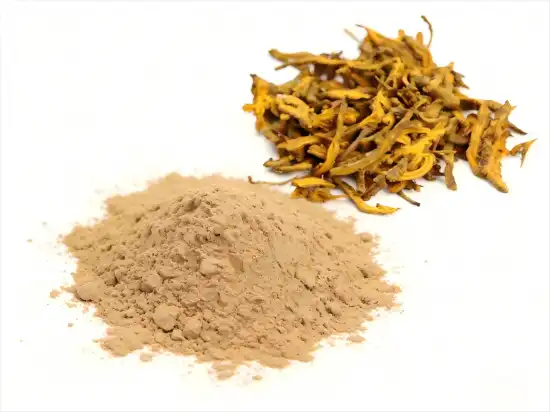
Protoberberine isoquinoline alkaloids form the quaternary ammonium salt Berberine Hydrochloride Extract Powder. Most of it comes from Berberis aristata and Coptis chinensis. Hydrochloride has superior water solubility than other berberines, enabling formulation flexibility and product development. This makes it popular in women's metabolic health supplements that need component stability and uniformity. Precision spray drying and particle processing produce a stable orange-yellow powder. Standardised HPLC testing reduces plant-based raw material purity differences.
| Quality Feature | Description |
|---|---|
| Source | Berberis aristata and Coptis chinensis |
| Form | Berberine hydrochloride powder |
| Purity | 97–98% HPLC standard |
| Processing | Spray drying and controlled particle sizing |
| Appearance | Stable orange-yellow powder |
| Application | Supplements, functional foods, beverages |
Core Health Benefits for Women
Age, lifestyle, and hormones affect women's metabolic demands. In some life phases, lower insulin sensitivity, weight changes, and lipid imbalance may increase. Berberine activates AMPK, the body's metabolic regulator, to assist metabolic pathways. This route regulates glucose, energy, and fat metabolism.
Research suggests that berberine may support:
- Healthy blood glucose regulation
- Improved insulin sensitivity
- Balanced cholesterol levels
- Cardiovascular wellness
- Gut microbiome support
Its multi-target mechanism makes it attractive for women's health products designed to provide broader metabolic support rather than focusing on only one benefit.
Comparing Berberine with Pharmaceutical Alternatives
Metformin is a commonly prescribed medication for metabolic conditions, and both metformin and berberine influence AMPK-related pathways. However, berberine offers additional botanical properties, including antioxidant activity and support for gut health.
For product developers, Berberine Hydrochloride Extract Powder provides an opportunity to create natural metabolic support products with evidence-based positioning.
| Feature | Berberine Hydrochloride | Metformin |
|---|---|---|
| Origin | Botanical compound | Pharmaceutical drug |
| AMPK activation | Yes | Yes |
| Formulation flexibility | High | Limited |
| Additional botanical benefits | Available | Not applicable |
| Common use | Supplements and wellness products | Medical treatment |
Berberine also interacts with multiple metabolic pathways, including regulation of enzymes such as DPP-4, which contributes to its growing interest in women's wellness formulations.
Selecting the Best Berberine Hydrochloride Extract Powder: Capsules vs. Extract Powder and Quality Considerations
Formulation Options: Evaluating Delivery Systems
When developing berberine-based products, manufacturers usually choose between capsules, tablets, powders, or blended formulations depending on the target market.
Capsules provide accurate dosing and convenient consumption, while powder formats allow greater flexibility for customized formulations such as functional drinks, combination supplements, and private-label products.
Powder ingredients can also be combined with complementary ingredients such as chromium picolinate, alpha-lipoic acid, or cinnamon extract to create targeted metabolic health formulas.
| Format | Application | Main Advantage |
|---|---|---|
| Capsules | Daily supplements | Accurate dosage and convenience |
| Powder | Custom formulations | Flexible blending |
| Tablets | Mass-market products | Easy production |
| Functional beverages | Wellness drinks | Expanding consumer formats |
Critical Quality Indicators
The quality of Berberine Hydrochloride Extract Powder directly affects product safety, stability, and market acceptance.
High-quality materials should meet strict purity, contaminant, and manufacturing requirements. Third-party testing should verify active compound levels, heavy metals, microbiological safety, and production consistency.
Important supplier qualifications include:
- cGMP manufacturing standards
- ISO9001 quality management
- HACCP food safety systems
- FSSC22000 certification
- HALAL and KOSHER compliance where required
These certifications help brands enter different international markets while maintaining consumer trust.
Supplier Transparency and Testing Documentation
A reliable supplier provides comprehensive Certificates of Analysis (CoA) that reveal the active compounds, moisture level (typically less than 5.0%), particle size distribution, and tests that ensure the solvent is safe and meets USP criteria. Public extraction techniques indicate modern technology and assured product quality. This is particularly true for regulated spray drying (inlet 150–220°C, exit 80–100°C).
Manufacturing companies can monitor every stage of the manufacturing process, from receiving the plants to placing them in nitrogen-flushed containers to prevent dampness. This document helps with European and American legal difficulties and quality assessments.

Dosage, Safety, and Side Effects: What Every Buyer Needs to Know
Evidence-Based Dosing Protocols
In clinical testing of digestion, people ingest 900 mg to 1500 mg of berberine daily across two or three meals. Processing improves, and stomach discomfort decreases with time. To manage blood sugar, women take 500 mg weekly and gradually increase the dosage to observe tolerance and response.
Higher dosing strategies are often applied depending on the goal:
| Use Case | Dosage Range | Notes |
|---|---|---|
| Digestive support | 900–1500 mg/day | Split into 2–3 meals |
| Blood sugar regulation | ~500 mg (gradual titration) | Adjust based on response |
| Weight management | 1200–1500 mg/day | Works with diet & exercise |
| PCOS support | 1000–1500 mg/day | Hormonal balance support |
Along with diet and exercise, higher doses (1200–1500 mg per day) may help individuals lose weight. PCOS support products often include 1000–1500 mg daily. Insulin resistance affects hormones that regulate ovulation and menstruation.
From a manufacturing perspective, these dosage ranges directly influence capsule strength design, powder formulation ratios, and labeling clarity to ensure safe consumer usage.
Safety Considerations and Potential Reactions
A study in humans has shown that Berberine Hydrochloride Extract Powder is very safe. However, some people may experience mild digestive reactions when starting supplementation, which usually resolve within 1–2 weeks.
These reactions can be summarized as follows:
| Category | Possible Reaction | Duration | Management |
|---|---|---|---|
| Initial use | Gas, mild stomach discomfort | 3–7 days | Take with food |
| Adaptation phase | Loose stools | Up to 2 weeks | Hydration + dose adjustment |
| Sensitive users | Back discomfort (rare) | Temporary | Reduce dosage |
If you take berberine with food and drink plenty of water, these effects will be lessened.
Safety restrictions are also important:
| User Group | Recommendation | Reason |
|---|---|---|
| Pregnant women | Not recommended | Placental transfer risk |
| Nursing women | Avoid use | Insufficient safety data |
| Diabetes/heart patients | Medical supervision required | Drug interaction risk |
| CYP450 medication users | Use caution | Metabolic enzyme interaction |
Women who are pregnant or nursing shouldn't take berberine pills due to limited safety data. It may pass through the placenta and potentially affect fetal development. Patients with chronic diseases or those taking medications metabolized via cytochrome P450 pathways should consult a physician before use.
Procurement Guide for Berberine Hydrochloride Extract Powder: Sourcing the Best for Your Business
Identifying Qualified Manufacturing Partners
When sourcing Berberine Hydrochloride Extract Powder, buyers should evaluate more than just availability. Manufacturing experience, technical capability, and compliance systems are key decision factors.
Core supplier evaluation factors can be structured as:
| Evaluation Dimension | High-Quality Standard | Business Value |
|---|---|---|
| Industry experience | 10+ years | Regulatory stability |
| R&D investment | ≥60% technical staff | Innovation capability |
| Production capacity | Large-scale stock + fast delivery | Supply chain reliability |
| Processing methods | CO₂ extraction, spray drying | Higher purity & consistency |
Production capability is also critical. Suppliers with sufficient stock and 10-day shipping cycles are more reliable for stable supply chains. Custom formulation services may require 20–30 days depending on complexity.
Advanced technologies such as supercritical CO₂ extraction and precision spray drying help preserve bioactive compounds while reducing thermal degradation, ensuring higher product consistency.
Evaluating Commercial Terms and Flexibility
Minimum order quantities (MOQs) significantly affect procurement strategies, especially for startups and new product launches.
Instead of describing them separately, they can be summarized as:
| Procurement Type | MOQ Level | Best For | Risk Level |
|---|---|---|---|
| Sample order | ~1 kg | Market testing | Low risk |
| Pilot production | Small batch | Product validation | Medium risk |
| Bulk production | Multi-kg to tons | Stable products | Low unit cost |
| Long-term contract | Multi-ton scale | Large manufacturers | High commitment |
Flexible suppliers that support low MOQ (1 kg samples) allow companies to test market demand before committing to large-scale production.
Packaging also varies based on application:
| Packaging Type | Specification | Use Scenario |
|---|---|---|
| Fiber drum | 25 kg standard | Mass production |
| LDPE-lined bag | Moisture protection | Bulk transport |
| Nitrogen-filled foil bag | Extended shelf stability | High-value products |
OEM and ODM services further enhance brand competitiveness by offering formulation design, private labeling, and multiple dosage forms including capsules, tablets, gummies, and powders.
Logistics and Regulation
Global distribution requires reliable logistics and strict regulatory compliance.
| Area | Requirement | Function |
|---|---|---|
| Transportation | DHL / FedEx / SF Express | Fast international delivery |
| Bulk shipping | Ocean freight | Cost efficiency |
| Documentation | CoA, heavy metals, allergen reports | Regulatory compliance |
| Regulatory guidance | FDA / EFSA standards | Market entry compliance |
Suppliers who understand international regulatory systems can help reduce customs delays and ensure accurate labeling and compliant health claims.
Real-World Applications and Success Stories: Berberine Hydrochloride in Women's Health Products
Metabolic Health Supplement Formulations
Many supplement brands integrate Berberine Hydrochloride Extract Powder into metabolic support formulations designed for women’s health.
These formulations can be structured as:
| Product Type | Key Ingredients | Functional Target |
|---|---|---|
| PCOS support formula | Berberine + Inositol + Vitamin D3 | Hormonal balance |
| Metabolic support blend | Berberine + Chromium + Magnesium | Glucose regulation |
| Weight management formula | Berberine + Green tea extract + CLA | Fat oxidation |
Berberine is commonly used in PCOS formulations at around 1000 mg/day combined with inositol and vitamin D3, targeting insulin resistance and hormonal imbalance. Improvements in menstrual regularity and metabolic markers are often observed within three months.
When combined with AMPK activation pathways, berberine also enhances fat oxidation, especially when paired with green tea extract and CLA in weight management products.
Functional Food and Beverage Integration
Functional beverage companies are increasingly incorporating berberine into ready-to-drink metabolic support products.
Key application advantages:
| Application | Benefit | Technical Requirement |
|---|---|---|
| RTD beverages | Easy consumption | Solubility in low-pH systems |
| Protein powders | Post-workout recovery | Stable blending |
| Functional drinks | Daily metabolic support | Bitterness masking |
Berberine Hydrochloride Extract Powder is water-dispersible, making it suitable for beverage systems, although formulation techniques are required to reduce bitterness and maintain stability.
Emerging Market Trends and Future Opportunities
The demand for natural metabolic support ingredients continues to expand globally, especially in women’s health and functional nutrition markets.
| Market Trend | Opportunity |
|---|---|
| Healthy aging | Long-term metabolic wellness products |
| Plant-based nutrition | Botanical ingredient expansion |
| Advanced delivery systems | Improved absorption technologies |
| Personalized wellness | Customized supplement formulations |
Emerging technologies such as nano-emulsions, liposomal delivery systems, and sustained-release formulations are improving bioavailability and product performance.
Regional demand trends show:
- North America & Europe: strong demand for standardized botanical supplements
- Asia: increasing use of traditional plant-based formulations
Suppliers with pharmaceutical-grade production systems, certifications, and flexible OEM/ODM capabilities are best positioned to serve global brands.
Conclusion
Berberine products, particularly pharmaceutical-grade Berberine Hydrochloride Extract Powder that is 97-98% pure, may help women maintain their weight, digestion, and heart health. To choose the finest items, you must understand manufacturing changes, quality requirements, and proper use. Work with competent manufacturers that provide thorough testing, flexible minimum orders, and OEM/ODM services for unique items to achieve better discounts when firms purchase from each other. Berberine, a yellow plant compound, has several uses. It will certainly remain an essential ingredient of many women's health products as further research show their applications and consumers learn more about them.
FAQ
1. How does Berberine Hydrochloride Extract Powder compare with metformin?
Both drugs activate AMPK. These regulate glucose and make cells insulin-sensitive. Berberine has been shown to aid metabolism like metformin in clinical trials. However, metformin remains the most prevalent type 2 diabetes medicine. Berberine offers additional advantages than metformin, such as combating infections, boosting blood flow, and digestive health. Women who prefer natural remedies or are concerned about pharmacological adverse effects might consider plant-based choices. However, metabolic issues should be monitored by a doctor.
2. Can I incorporate berberine supplements into private label product lines?
Absolutely. Asianbios and Shaanxi Zhenhuacui Biotechnology provide OEM/ODM services for private-label berberine products. Custom formulations, capsules, tablets, gummies, and powders, private labelling, and a minimum purchase of 1 kilogram for testing are available. These arrangements allow corporations to use their suppliers' extraction technology, quality testing, and compliance to manufacture high-tech Berberine Hydrochloride Extract Powder goods without creating new plants.
Source Premium Berberine Hydrochloride Extract Powder for Your Brand
Some health brands work with Berberine Hydrochloride Extract Powder supplier Asianbios, delivering 97-98% HPLC-verified purity with complete cGMP, ISO9001, HACCP, and FSSC22000 certifications. You can get samples of our food-grade extract right away, in amounts ranging from 1 kg to tons. It can also be shipped anywhere in the world within 10 days, thanks to our partnerships with DHL, FedEx, and SF Express. For sweets, pills, capsules, and powder, we offer full OEM/ODM services. We also offer expert recipe advice backed by cutting-edge supercritical CO2 extraction technology. Send an email to plantex@asianbios.com to get samples, talk about special needs, or look into private label choices that will help your line of supplements for women.
References
1. Zhang, Y., Li, X., Zou, D., et al. (2008). Treatment of type 2 diabetes and dyslipidemia with the natural plant alkaloid berberine. Journal of Clinical Endocrinology & Metabolism, 93(7), 2559-2565.
2. Yin, J., Xing, H., & Ye, J. (2008). Efficacy of berberine in patients with type 2 diabetes mellitus. Metabolism: Clinical and Experimental, 57(5), 712-717.
3. Lan, J., Zhao, Y., Dong, F., et al. (2015). Meta-analysis of the effect and safety of berberine in the treatment of type 2 diabetes mellitus, hyperlipemia and hypertension. Journal of Ethnopharmacology, 161, 69-81.
4. Dong, H., Wang, N., Zhao, L., & Lu, F. (2012). Berberine in the treatment of type 2 diabetes mellitus: a systematic review and meta-analysis. Evidence-Based Complementary and Alternative Medicine, 2012, Article ID 591654.
5. Lee, Y.S., Kim, W.S., Kim, K.H., et al. (2006). Berberine, a natural plant product, activates AMP-activated protein kinase with beneficial metabolic effects in diabetic and insulin-resistant states. Diabetes, 55(8), 2256-2264.
6. Cicero, A.F.G., & Ertek, S. (2009). Berberine: metabolic and cardiovascular effects in preclinical and clinical trials. Nutrition and Dietary Supplements, 1, 1-10.
About the Author

Asianbios
Our purpose is to forge a legacy of stewardship, advancing initiatives that honor and preserve the ecological integrity of our planet.

Send Inquiry
Related Industry Knowledge
- Eggshell Membrane Peptide: waht is it and how it works
- How to Choose a Supercritical Extraction Machine Manufacturer
- Hyaluronic Acid Powder: Deep Hydration & DIY Serum
- Stevia Extract: What it Is and How to Use It
- Best Isoleucine Production Technology for Industrial Use
- What Is Lysine Production Technology Overview?
- Best Tart Cherry Powder: Benefits for Sleep, Inflammation, and Muscle Recovery
- How to Choose the Best Seabuckthorn Powder - Asianbios
- Is kiwi powder good for you?
- Kiwi Dried Powder for Drinks: Boost Flavor and Nutrition