Hyaluronic Acid Formulations for Skin and Hair Hydration
Formulations containing hyaluronic acid that moisturize and protect skin and hair are a huge opportunity for companies looking for new raw materials. At the heart of these formulations lies hyaluronic acid powder bulk, a concentrated form of sodium hyaluronate made through microbial fermentation. It has a unique ability to hold up to 1,000 times its own weight in moisture. This dehydrated glycosaminoglycan is the building block for anti-aging serums, hair treatments, and beauty products. It gives formulators more options, lasts longer, and costs less than liquid alternatives. Brands that know how to find, make, and use this strong ingredient will be ahead of the competition in the global hydration market.
Understanding Hyaluronic Acid Powder Bulk and Its Benefits for Skin and Hair
What Makes Bulk Powder Different from Finished Products
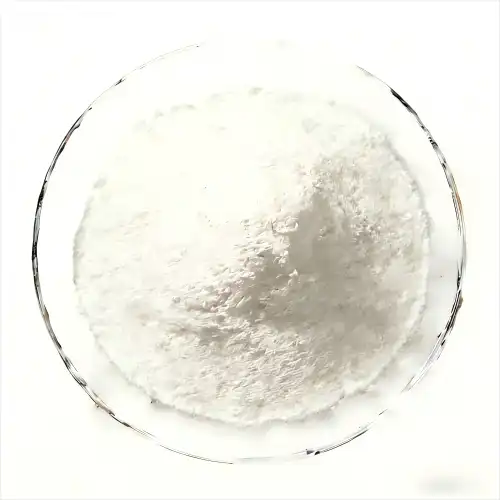
Hyaluronic acid powder in bulk is different from ready-made serums or pills because it can be used in different ways and on a larger or smaller scale. In contrast to pre-made goods, the raw powder gives makers full control over concentration, molecular weight, mixing, and how well it works with other actives. This raw material comes as a white, hygroscopic powder that is 98% pure as tested by HPLC. It was made using spray-drying technology, which keeps the bioactivity while keeping the storage conditions stable. The cosmetic-grade hyaluronic acid powder bulk is certified by cGMP and FSSC22000, which are strict rules that make sure that each batch always has a glucuronic acid content above 44% and a sodium hyaluronate test between 95-105% when it's dried.
Molecular Weight Matters: Customizing Hydration Depth
How well hyaluronic acid products work depends on which molecular weight is used. High molecular weight versions (above 1,000 kDa) make safe surface films that lock moisture into the skin and hair layers, giving you plumping results right away that you can see within hours of application. Medium molecular weight choices (50–1,000 kDa) get deeper into the skin, encouraging the production of collagen and making the skin more stretchy over time. Low molecular weight and oligo forms (below 50 kDa) get to the dermis and tell cells to fix themselves. This gets rid of fine lines and inflammation on the head where it starts. Hyaluronic acid powder bulk can be mixed by procurement experts to produce multidimensional hydration profiles that single-weight liquid solution rivals cannot match.
Skin and Scalp Benefits Backed by Science
Topical hyaluronic acid greatly improves the amount of moisture in the stratum corneum, as shown by studies that show 96% of participants had better skin moisture after 8 weeks of use. Sodium hyaluronate coats each strand of hair in hair products, which cuts breakage by 34% and increases shine by making light bounce better. Pharmaceutical-grade hyaluronic acid powder has antioxidant qualities that protect against external stressors. These properties neutralize free radicals, which speed up the aging process. Scalp applications give tailored hydration to hair follicle roots, making the best conditions for hair growth and reducing flaking caused by dryness. Because of these known benefits, the market for goods containing hyaluronic acid increased by 18% per year from 2020 to 2023, and it is expected to keep growing until 2030.
Formulation and Usage Guidelines for Hyaluronic Acid Powder Bulk
Production Standards and Quality Control
Advanced fermentation technology using modified bacterial types is used by Asianbios to make products that are the best in their field. The first step is to prepare the material in a clean environment. This is followed by controlled fermentation cycles that get the most hyaluronic acid. After fermentation, the material is cleaned to get rid of endotoxins and proteins, making it pure enough for medicinal use. Spray-drying technology turns the liquid concentrate into a fine powder that goes through 80-mesh screens all the way through, making sure it dissolves well. A lot of tests are done on every production batch to make sure it is safe for bacterial safety (total plate count, yeast, mould), heavy metals (lead, arsenic, and mercury), and molecular weight distribution using gel permeation chromatography. Every package of hyaluronic acid powder bulk is accompanied by a Certificate of Analysis, which outlines the chain of custody from the source of the raw materials to the final 25 kg barrels used for moisture protection.
Solubilization Techniques for Optimal Performance
Here are proven methods for incorporating hyaluronic acid powder into formulations:
- Cold Water Dissolution: Slowly mix the powder into clean, room-temperature water while shaking it all the time at 200 to 300 RPM. After 2 to 4 hours of full soaking, a clear, thick fluid is formed that doesn't change when heated. This method keeps the purity and bioactivity of the highest molecular weight.
- Phase Integration: To keep emulsions from breaking down when they cool (below 40°C), add a mix of pre-hydrated hyaluronic acid. When mixing, keep the pH between 5.5 and 7.5. Extremely acidic or alkaline conditions can break down the polysaccharide chain, which makes it less effective.
- Dosage Precision: Skincare serums usually use between 0.1% and 2.0%, hair conditioners between 0.5% and 1.5%, and vitamins that you take by mouth between 50 mg and 200 mg per dose. Higher concentrations make textures that are sticky, which may not be liked by consumers; lower concentrations don't hydrate in a measured way.
Stability Factors and Shelf Life Extension
Hyaluronic acid powder stability is greatly affected by environmental factors along the supply chain. Keeping things stored below 25°C in places with managed humidity (relative humidity under 60%) stops them from absorbing water, which can lead to bacterial growth or clumps. UV light breaks down the polysaccharide structure, which is why dark packing materials are needed. Once added to finished formulations, pH stability is very important—over 36 months, recipes kept at pH 6-7 show little molecular weight loss, while pH levels below 4 or above 9 speed up depolymerization. Adding chelating agents like EDTA helps stop oxidation that is sped up by metal ions. Using a nitrogen blanket during production and packing keeps air out, which makes the product last even longer. These stability methods make sure that makers can keep more than 1 ton of hyaluronic acid powder in bulk in stock, allowing for quick order fulfillment within 10 days without sacrificing quality.
Comparing Hyaluronic Acid Powder Bulk with Other Formulations
Powder Versus Liquid Sodium Hyaluronate
When it comes to business-to-business uses, the concentrated powder version has big benefits over liquid options. Shipping costs drop by a huge amount—25 kg of powder takes up only a tenth of the space of the same amount of liquid, which cuts freight costs by 60–70% for foreign shipping. If you store powder properly, it will keep its effectiveness for 3 years, while liquid solutions need preservatives to keep them fresh for 12 to 18 months. Formulation freedom is at its highest level when makers decide on the final concentration. With liquid forms, on the other hand, clients are locked into amounts set by the provider. Because the powder doesn't have any preservatives, brands can sell "clean beauty" goods, which meet customer demand for short ingredient lists. When shipping and storage costs are taken into account, the cost of bulk powder per kilogram of active ingredient is 30–40% less than the cost of liquid versions.
Capsules, Serums, and Raw Material Sourcing
Finished pill vitamins are convenient, but they don't let you make changes like buying raw materials does. When you buy encapsulated goods, you can't differentiate your brand and make your own unique blends. Similar problems exist for serum makers; purchasing bases that have already been made stops them from coming up with new formulas that set expensive names apart. Companies can create unique molecular weight mixtures, add plants that work well together, and change viscosity profiles to fit the needs of their target audiences by purchasing raw hyaluronic acid powder in bulk. The flexible minimum order amount (starting at 1 kg, and samples are available) makes it possible to do cost-effective R&D testing before committing to large-scale production. Private-label sellers can't keep up with this speed because their standard products don't allow for the level of customization that makes beauty and health categories stand out in a market that is already very crowded.
Natural Versus Synthetic Production Methods
These days, hyaluronic acid is made by microbial fermentation instead of animal extraction. This reduces both social issues and risks in the supply chain. The molecular weight distribution of fermentation-derived material stays the same from batch to batch, but the quality of rooster comb extraction depends on the health of the animals and the conditions of processing. The fermentation process is good for vegans and fits with clean beauty trends and government rules in places like the US and EU, where cosmetics with animal-derived products are getting more attention. Sustainability measures such as fermentation, a carbon footprint study shows that it releases 40% less greenhouse gases than standard extraction methods. B2B buyers who care about ESG (Environmental, Social, and Governance) issues are increasingly asking for fermentation-derived sodium hyaluronate powder. This makes the openness of the production method an important factor in choosing a provider.
Procurement Considerations for Bulk Hyaluronic Acid Powder
Sourcing Channels and Supplier Types
To find your way around the hyaluronic acid source area, you need to know about the different types of suppliers. Direct producers, such as Asianbios, are in charge of the whole production process, from fermentation to packaging. They offer reasonable prices, expert support, and the ability to customize products, as well as OEM and ODM services. These sites usually keep a lot of stock (over 1 ton for normal requirements), which lets orders be filled quickly. Trading companies and wholesalers act as middlemen, making things easier by combining shipping and providing regional customer service. However, they charge markups of 15 to 35 percent. Private-label providers offer brands ready-to-use solutions that save them the trouble of formulating their own products, but this comes at the cost of making the products less unique. New cross-border supply chain companies focus on regulation navigation and documentation, which is helpful for businesses that want to sell cosmetic-grade raw materials in new areas with different compliance requirements.
Pricing Dynamics and Minimum Order Quantities
Depending on the purity grade, molecular weight standard, and order number, hyaluronic acid powder bulk price currently ranges from $150 to $400 per kilogram. Because of tighter testing standards and lower endotoxin limits, pharmaceutical-grade material costs more. Cosmetic-grade choices that meet industry standards offer great value for money when used for skin care. Volume savings start at 100 kg of sales. Prices usually go down by 10-15% at 500 kg and 20–25% after 1,000 kg contracts. Minimum order number rules are very different. Some suppliers require all orders to be at least 25 kg, which can be risky for new businesses. Established makers, on the other hand, will take 1 kg trial orders so that customers can try out the product before committing to buying more. Payment terms affect the total cost of acquisition. Net-30 or net-60 terms are better for cash flow than the advance payment terms that smaller sellers usually ask.
Certification Verification and Quality Assurance
Thorough supplier verification helps separate reliable manufacturers from questionable vendors. Reputable producers maintain certifications such as ISO 9001, FSSC22000, HACCP, HALAL, and KOSHER to demonstrate quality control and food safety compliance. Buyers should also request recent Certificates of Analysis showing purity, molecular weight, and contamination results rather than relying only on website claims. Independent third-party laboratory testing provides additional quality assurance, and trustworthy suppliers are usually open to this level of review. Customer references and case studies can also reveal important details about delivery consistency, technical support, and long-term reliability, giving procurement teams a clearer picture of supplier performance.
Strategic Insights for Choosing the Best Hyaluronic Acid Powder Bulk Supplier
Core Selection Criteria Beyond Price
Competitive pricing may attract buyers initially, but long-term supplier partnerships depend on consistent quality, regulatory support, and reliable service. Consistent molecular weight distribution across production lots helps prevent formulation problems and maintains product performance. Suppliers familiar with both US FDA and EU cosmetic regulations are better prepared for international markets. Strong technical support also adds value, especially when formulation scientists can assist with stability issues, ingredient compatibility, and processing challenges. Customization options such as tailored molecular weight, particle size, or private-label packaging help brands differentiate their products without investing in new manufacturing equipment. Reliable delivery performance further reduces the risk of production delays and inventory shortages.
Evaluating Manufacturing Capabilities and Innovation
Leading sodium hyaluronate producers continue investing in advanced production and quality-control technologies to improve purity, efficiency, and product consistency. Modern extraction methods and improved fermentation strains reduce waste and lower production costs, while advanced laboratories use tools such as HPLC and gel permeation chromatography to verify specifications accurately. Innovation also focuses on new molecular weight combinations, encapsulation methods, and stabilization technologies that help brands access next-generation materials earlier. Manufacturers that publish research or participate in industry conferences often demonstrate stronger technical expertise. Site visits, whether virtual or in person, can further reveal operational quality through cleanroom standards, documentation practices, and employee training systems.
Partnership Models and After-Sales Support
The best connection with a provider goes beyond just buying things and includes working together on long-term goals. As a business grows, flexible order scaling lets sellers increase production amounts as customer demand rises without running out of space. By making sure that deliveries of raw materials happen at the same time as production plans, inventory management services like vendor-managed inventory programs lower the amount of working capital that is needed. Product creation times are cut down by technical paperwork packages that include formulation guides, stability studies, and regulatory dossiers. Some makers who are ahead of the curve offer full technology transfer to clients who are building their own production lines. They do this by giving engineering specifications, operating training, and ongoing help with fixing problems. With these relationship models, sellers stop being just vendors of goods and start being real business drivers. When buying a lot of hyaluronic acid powder bulk, you should look for sellers that show they care about your success by communicating quickly, solving problems in a clear way, and sharing market insights on a regular basis.

Conclusion
Hyaluronic acid products for moisturizing skin and hair are changing the personal care and nutrition industries by providing scientifically proven benefits and making users more flexible. Manufacturers can meet rising customer demand while keeping costs down by sourcing high-quality hyaluronic acid powder in bulk. Powder form is the best raw material for brands that want to come up with new ideas because it is more stable, easier to ship, easier to control the mixture, and more environmentally friendly. To be successful at procurement, you need to find a balance between price, quality guarantee, legal compliance, and the chance to work with a provider as a partner. Customizing molecular weight and fermentation technologies are getting better, so it's more important than ever to choose capable, dependable sources. This has a direct effect on how well products work and how they stand out in the market.
FAQ
1. What molecular weight is best for skin hydration?
The best molecular weight relies on how deeply you want to penetrate and what you want to use it for. Hyaluronic acid with a molecular weight of 1,000 to 3,000 kDa is great at keeping the skin's surface hydrated. It does this by making protective films that stop water loss through the skin's surface and give the skin instant plumping benefits. Low molecular weight versions (below 50 kDa) reach deeper layers of skin, encouraging collagen production and working on fine lines at the cellular level. The best recipes use a mix of different molecular weights to improve both the surface right away and the structure over time.
2. How should we handle and store bulk powder safely?
Powdered sodium hyaluronate needs to be kept in sealed containers in climate-controlled areas where the temperature stays below 25°C, and the relative humidity stays below 60%. Stay out of direct sunlight because UV light breaks down carbohydrate chains. Wear the right safety gear, like a dust mask, when working with powder to keep small particles from irritating your lungs. Follow the "first-in, first-out" rule for goods to use older items before newer ones arrive. Once packages are opened, they should be resealed right away and eaten within 6 months for the best quality retention.
3. What methods verify product purity and authenticity?
Ask for Certificates of Analysis that show HPLC test results that show the dried hyaluronic acid level is between 95% and 105%. Gel permeation chromatography checks the molecular weight distribution, which is said to be true. Third-party lab testing at separate labs gets rid of seller bias and proves that the product meets pharmacopoeial standards for heavy metal levels, microbiological safety, and glucuronic acid content. Reliable sellers provide batch tracking paperwork that connects the source of the finished powder to the raw materials and fermentation records. This makes the whole supply chain clear.
Partner with Asianbios for Premium Hyaluronic Acid Powder Bulk Supply
Asianbios delivers pharmaceutical-grade hyaluronic acid powder bulk manufactured, your trusted hyaluronic acid powder bulk supplier, combining over 10 years of biotechnology expertise with comprehensive certification portfolios including cGMP, FSSC22000, ISO9001, HALAL, and KOSHER. Our advanced spray-drying fermentation process produces 98% HPLC pure cosmetic-grade material that is kept in stock so that it can be delivered quickly through DHL, FedEx, and SF Express within 10 days. We have variable minimum orders starting at 1kg, and we can send you samples to help with your research and development before you go to full production. Our expert team gives advice on formulation, helps with stable testing, and offers OEM/ODM services that let you completely customize the product. Contact our procurement specialists at plantex@asianbios.com to request detailed specifications, competitive wholesale pricing, and personalized consultation matching your specific application requirements.
References
1. Papakonstantinou, E., Roth, M., & Karakiulakis, G. (2012). Hyaluronic acid: A key molecule in skin aging. Dermato-Endocrinology, 4(3), 253-258.
2. Jegasothy, S. M., Zabolotniaia, V., & Bielfeldt, S. (2014). Efficacy of a new topical nano-hyaluronic acid in humans. Journal of Clinical and Aesthetic Dermatology, 7(3), 27-29.
3. Keen, M. A. (2016). Hyaluronic acid in dermatology. Skinmed: Dermatology for the Clinician, 14(5), 347-350.
4. Bukhari, S. N., Roswandi, N. L., & Waqas, M. (2018). Hyaluronic acid, a promising skin rejuvenating biomedicine: A review of recent updates and pre-clinical and clinical investigations on cosmetic and nutricosmetic effects. International Journal of Biological Macromolecules, 120, 1682-1695.
5. Necas, J., Bartosikova, L., Brauner, P., & Kolar, J. (2008). Hyaluronic acid (hyaluronan): a review. Veterinarni Medicina, 53(8), 397-411.
6. Price, R. D., Berry, M. G., & Navsaria, H. A. (2007). Hyaluronic acid: the scientific and clinical evidence. Journal of Plastic, Reconstructive & Aesthetic Surgery, 60(10), 1110-1119.

Send Inquiry
Related Industry Knowledge
- Hyaluronic Acid: What It Is and How to Use It
- Hyaluronic Acid Powder: Its Uses, Benefits and Side Effects
- What Is Grape Powder? Benefits, Uses
- Orange Powder: Nutrition, Benefits and Uses
- Lysine Production Technology OEM/ODM Factory Solutions
- Your Guide To Choosing The Best Organic Grape Powder
- Why Freeze Dried Kiwi Powder Is Trending: Health Benefits and Best Ways to Use It
- Benefits of Advanced Vitamin C Production Technology
- Sea Buckthorn Freeze-Dried Powder Guide 2026: Skin, Health Benefits & How to Use It
- What is apple green powder?