What Does a Fermentation Tank Do?
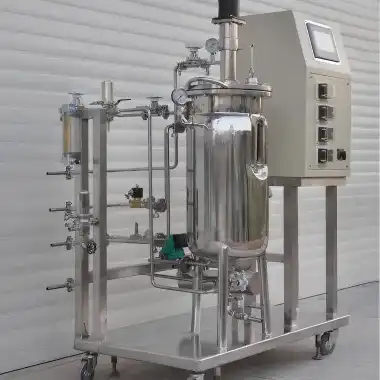
The Fermentation Tank is an essential component of contemporary bioprocessing in biotechnology, food production and the industrial microbiology. It is not just a container but a complex bioreactor, a finely tuned system intended to generate the perfect conditions for microbial growth and metabolism. A Fermentation Tank has sophisticated stirring, aeration, temperature control, and monitoring systems to provide an ideal setting for microorganisms to grow and effectively generate desired products like antibiotics, enzymes, probiotics, or biofuels. The Fermentation Tank provides sterile conditions and tight control of crucial parameters that allows conversion of raw biological materials into useful products with consistency, efficiency and scalability in many industries.
Understanding the Core Purpose of a Fermentation Tank
Creating an Optimal Microbial Growth Environment
A Fermentation Tank is designed to replicate and maintain the appropriate conditions for microbial growth and metabolic functions. Unlike basic containers, this state-of-the-art bioreactor can precisely adjust temperature, pH, dissolved oxygen and nutrient availability, all of which are key variables affecting rates of microbial growth and product creation. Fermentation Tank . In a controlled environment such as a Fermentation Tank , researchers or manufacturers may grow desired microorganisms at ideal densities and decrease the danger of contamination . This capacity is especially useful in businesses where stable microbial performance is essential for product quality and yield, such as in pharmaceutical production or food fermentation operations.
Facilitating Target Product Synthesis
A Fermentation Tank is meant to optimize the synthesis of useful biochemical substances apart from supporting the microbial development. The Fermentation Tank controls the metabolic activity of microorganisms so that they may get the maximum yield of desired compounds via the precise control of environmental factors and operating conditions. Whether it is the production of antibiotics, organic acids, enzymes or biofuels, the Fermentation Tank offers the regulated environment to achieve high yields and product purity. This level of control over the process enables for the effective conversion of raw materials into high-value compounds. Therefore, the Fermentation Tank is a vital instrument in both industrial biotechnology and pharmaceutical manufacturing.
Supporting Multiple Fermentation Strategies
Modern Fermentation Tanks are quite versatile since they allow varied fermentation modes to suit different production needs. A Fermentation Tank may function in batch mode, where all nutrients are provided at the beginning of the process, or in fed-batch mode, where nutrients are added in increments to maintain ideal conditions. Some sophisticated systems even have continuous fermentation, where new medium is continually introduced and product continually extracted. This versatility enables a Fermentation Tank to be customized to the requirements of various microorganisms and production objectives, making it useful for a broad variety of applications, from laboratory research to industrial production.
The Essential Components of a Fermentation Tank
The Tank Body: Foundation of Durability and Hygiene
The tank body is the structural basis of any Fermentation Tank. It is usually made from high quality stainless steel, e.g. SUS304 or SUS316L. This material choice gives great corrosion resistance and durability which is important to endure the harsh circumstances of fermentation processes including exposure to different chemicals and multiple sterilizing cycles. A Fermentation Tank will often be of a jacketed design to allow for temperature control and strengthened to withstand the pressures and vacuum that may occur during use. The inside surfaces are generally mirror-polished to an extremely smooth surface finish (Ra ≤ 0.4 μm), which not only enables easy and complete cleaning, but also reduces the danger of microbiological contamination by avoiding the accumulation of residues.
| Component | Primary Function | Key Features |
|---|---|---|
| Tank Body | Provides structural integrity | SUS304/316L stainless steel, mirror finish |
| Stirring System | Ensures uniform mixing | Variable speed, specialized impellers |
| Temperature Control | Maintains optimal thermal conditions | Jacketed design, precise regulation |
Stirring and Aeration Systems: The Heart of Process Efficiency
The stirring and aeration systems of a Fermentation Tank are the critical components that work together to provide thorough mixing and oxygen delivery to the fermentation broth. The stirring system usually includes a variable-speed agitator with specific impellers to generate the best flow pattern for various fermentation medium. This movement avoids settling of microorganisms and guaranties an equal distribution of nutrients and oxygen. The Fermentation Tank is aerated with sterile air or oxygen using spargers fitted with filtering as fine as 0.01 μm to avoid contamination in the aeration system. Good agitation and aeration are necessary to sustain the metabolic activity of aerobic bacteria and to get the highest efficiency of fermentation especially in high density cultures.
Control Systems: The Brain of Precision Operation
The modern Fermentation Tank is fitted with advanced PLC (Programmable Logic Controller) devices, which act as the central nervous system controlling the whole fermentation process. These sophisticated control systems constantly measure and adjust key parameters like temperature, pH, dissolved oxygen and agitation speed with great accuracy. The control system of a Fermentation Tank has a touchscreen interface that makes it easy for operators to set, monitor, and alter parameters as necessary. The high degree of automation increases uniformity in fermentation operations as well as reducing the chance of human mistake. The Fermentation Tank is a sophisticated and dependable technology for contemporary bioprocessing. With extensive data recording capabilities these systems provide quality assurance, process optimization and regulatory compliance.
Sterilization and Cleaning Systems: Ensuring Process Integrity
Sterile conditions are of critical importance in fermentation processes, especially in the pharmaceutical and food industries, which are heavily regulated. The Fermentation Tank meets this crucial need by having built-in sterilization and cleaning mechanisms. Steam-in-place (SIP) sterilization sterilizes the whole vessel and its contents up to 121°C without disassembly, effectively killing all microbiological contaminants between batches. The Clean-In-Place (CIP) technology delivers a comprehensive cleaning of the Fermentation Tank, eliminating the need for manual dismantling and keeping the vessel in maximum condition for the next fermentation batches. These automated technologies save critical time and labor, but most importantly, they help guarantee that the Fermentation Tank maintain the highest levels of sanitation, which is a need for continually producing safe, high-quality goods.
Technical Advantages That Set Fermentation Tanks Apart
Exceptional Environmental Control for Optimal Results
One of the major benefits of contemporary Fermentation Tanks is the ability to precisely adjust environmental factors with incredible precision. Temperature can be maintained with an accuracy of ±0.1°C and pH with an accuracy of ±0.02 units; this precision is vital for the development of sensitive microorganisms and for consistent product quality. The powerful sensors and control algorithms of a Fermentation Tank work together to provide a stable environment that reacts rapidly to any deviations, guaranteeing ideal conditions for the whole fermentation cycle. This fine control is especially useful in procedures using heat-sensitive organisms or needing tight control for the timely production of certain metabolites.
High Automation for Enhanced Reliability
The high degree of automation in a Fermentation Tank leads to a considerable improvement in its operating efficiency and dependability. Processes like as medium preparation, inoculation, parameter monitoring, and product harvesting are all automated to reduce manual labor and the potential for human mistake or contamination. This batch-to-batch consistency allows for repeatable outcomes, which is important in achieving quality standards and regulatory requirements in sectors such as medicines and food processing . Additionally, automated Fermentation Tanks come with extensive data recording features, offering precise records of every process run. This supports quality control initiatives and offers the opportunity for ongoing process improvements.
Robust Construction for Long-Term Performance
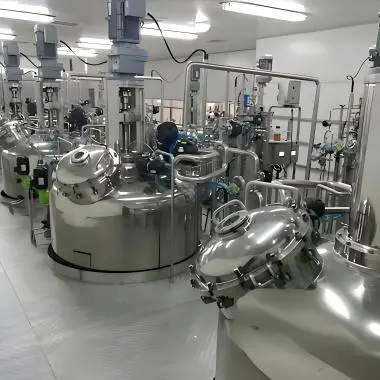
Built with superior materials, a Fermentation Tank is made to be sturdy and durable for lifetime. SUS304 or SUS316L stainless steel offers good corrosion resistance to the many chemicals and biological elements encountered throughout the fermentation process. The tank is additionally built with reinforced features to resist the pressures and vacuum conditions applied throughout the operating and sterilization cycles. The mirror-polished interior surfaces of a Fermentation Tank not only allow for thorough cleaning, but also resist the build up of impurities, helping to ensure constant performance and longer equipment lifetime over many years of operation.
Industrial Applications: Where Fermentation Tanks Make a Difference
Revolutionizing Pharmaceutical and Biopharmaceutical Production
The fermentation tank is a crucial equipment for the pharmaceutical industry, it is key in the manufacturing of life saving drugs and biopharmaceuticals. These tubes provide the regulated environment to grow certain strains of microbes which generate antibiotics, vaccines, medicinal proteins and other useful chemicals. The Fermentation Tank is an extremely well-controlled environment where temperature, pH, oxygen levels, and other factors are carefully adjusted to optimize the yield and uniformity of the medicinal compounds produced by the microorganisms. This capacity is critical to achieving the severe quality and regulatory requirements of the pharmaceutical business, where product purity, batch-to-batch uniformity, and adherence to Good Manufacturing Practices (GMP) are critical to patient safety and product effectiveness.
| Industry Sector | Primary Applications | Key Benefits of Fermentation Tank |
|---|---|---|
| Pharmaceutical | Antibiotics, vaccines, proteins | High purity, regulatory compliance |
| Food & Beverage | Probiotics, enzymes, fermented foods | Consistent quality, food safety |
| Biotechnology | Biofuels, novel compounds | Process flexibility, innovation |
Enhancing Food and Beverage Manufacturing
sector for the production of many classic and new products. These containers let producers to establish the ideal environment for microbial growth and product creation, from yogurt and cheese to beer and soy sauce. The exact control of fermentation settings in a Fermentation Tank ensures the manufacture of high quality food items with the preferred taste profiles, textures and nutritional qualities on a reliable basis. The sterile construction of Fermentation Tanks also guaranties food safety and compliance with hygiene standards, which is of vital importance for the safety of the customer and for protecting the brand image in the highly competitive food industry.
Driving Innovation in Biotechnology Research
Fermentation Tanks are crucial equipment in biotechnology R&D for strain creation, process optimization and pilot-scale production. The containers provide researchers a controlled environment to investigate microbial activity and create novel bioprocesses under settings that closely resemble industrial manufacturing. Modern Fermentation Tanks offer for the freedom to try out different strains, medium compositions and process conditions, therefore enabling the creation of unique goods and technologies. This capacity is of particular value to biotech businesses and research institutes that are developing state-of-the-art applications like as biofuels, industrial enzymes and innovative medicinal compounds that need precise control of fermentation conditions.
Supporting Health Supplements and Agricultural Advances
Fermentation Tanks are also commonly used for the manufacture of health supplements and agricultural goods. In the health supplement sector, these vessels are used to produce probiotics, vitamins, amino acids and other bioactive chemicals that promote human health and wellbeing. A Fermentation Tank offers a controlled fermentation environment, resulting in a high quality, consistent supplement that meets customer expectations for effectiveness and safety. In agriculture, Fermentation Tanks are used for manufacturing biofertilizers, plant growth promoters, and other microbial products that contribute to increased crop productivity, improved soil health, and sustainable farming methods. The capacity to produce certain beneficial microorganisms in a Fermentation Tank allows the creation of ecologically acceptable solutions for contemporary agriculture.
Implementing a Fermentation Tank in Your Facility
Customization Options to Match Your Specific Requirements
Choosing a Fermentation Tank When choosing a Fermentation Tank, it is vital to take into account the needs of your application and production objectives.Fermentation Tanks are available in a broad variety of capacities, from 50 to 500 cubic meters, with bespoke sizes available to accommodate individual production demands and facility restrictions. You may choose the construction materials according to your process needs. SUS304 and SUS316L stainless steel are the most popular and recommended materials for durability and corrosion resistance. In addition, features like stirring power, aeration rate, temperature control range and level of automation are flexible and may be tailored to fit your individual fermentation process. This degree of personalization guaranties that your Fermentation Tank is well suited for your individual application, whether it medicines, food items, industrial chemicals, or agricultural inputs.
Seamless Integration with Existing Production Systems
Modern Fermentation Tanks are intended to easily fit into current production infrastructure. They may be linked to utilities such as steam, water, electricity and compressed-air sources. The control systems of the Fermentation Tanks may be connected into bigger manufacturing execution systems (MES) or laboratory information management systems (LIMS) for whole process monitoring and control. This flexibility to integrate means Fermentation Tanks may be completely integrated into your manufacturing line, increasing overall efficiency and allowing for improved process optimization. When upgrading bioprocessing facilities, correct integration of a Fermentation Tank may greatly enhance workflow productivity and data management.
Comprehensive Support for Long-Term Success
To ensure the continued performance and longevity of your Fermentation Tank, comprehensive support services are essential. Regular maintenance, including Clean-In-Place (CIP) cleaning between batches and Steam-In-Place (SIP) sterilization, is crucial for maintaining optimal conditions. Periodic calibration of sensors and control systems ensures the accuracy of measurements, while regular inspection of mechanical components helps prevent wear and maintain performance. For organizations seeking expert guidance in selecting and implementing the right Fermentation Tank for their needs, Asianbios offers comprehensive consultation services. Our team of specialists can provide tailored recommendations to match your specific requirements. To explore how our advanced Fermentation Tanks can support your bioprocessing goals, feel free to contact our technical team at producttech@asianbios.com for personalized assistance.
Training and Operational Excellence
To get the best results from a Fermentation Tank, appropriate training of the operators is necessary. Training programs should be comprehensive, including fundamental setup and sterilizing processes as well as advanced process control and troubleshooting skills. Well-trained personnel will get the most out of your Fermentation Tank, assure consistent product quality and limit the danger of mistakes or contamination. Hands-on training programs, complete operation manuals and continuous technical support are available from many providers to assist your team achieve operational excellence and realize the full capabilities of your new Fermentation Tank and modern bioprocessing equipment.
Conclusion
A Fermentation Tank is not just a container, it is a sophisticated bioreactor that allows for the careful management of complicated biological processes. A critical component of contemporary bioprocessing, the Fermentation Tank is responsible for the creation of anything from life-saving medications to novel food items and agricultural solutions. Its capacity to maintain sterile conditions, adjust important parameters with high precision and support several fermentation modes makes it an essential tool in many sectors. Investing in a high quality Fermentation Tank enables enterprises to produce useful biological products consistently, efficiently and at scale.
FAQ
Q: What types of microorganisms can be cultivated in a Fermentation Tank?
A: A Fermentation Tank is designed to support the growth of a wide variety of microorganisms, including bacteria, yeasts, fungi, and even certain mammalian cell lines, depending on the specific configuration. The versatile design of a Fermentation Tank allows it to accommodate aerobic and anaerobic organisms, with precise control over parameters such as oxygen levels, temperature, and pH to create the optimal environment for each specific microorganism. This flexibility makes the Fermentation Tank suitable for diverse applications across pharmaceutical, food, biotechnology, and agricultural industries.
Q: How does a Fermentation Tank maintain sterile conditions during operation?
A: A Fermentation Tank maintains sterile conditions through multiple integrated systems designed to prevent contamination. These include Steam-In-Place (SIP) sterilization, which uses high-temperature steam to eliminate all microbial contaminants before and between fermentation runs. The Clean-In-Place (CIP) system enables thorough cleaning without disassembly, while sterile air filtration (typically 0.01 μm) prevents airborne contamination. Additionally, the sealed design and aseptic ports of a Fermentation Tank minimize the risk of external contamination during operation, ensuring that the fermentation environment remains sterile throughout the process.
Q: What are the key advantages of using a Fermentation Tank over traditional methods?
A: A Fermentation Tank offers numerous advantages over traditional fermentation methods, including precise control over environmental parameters, higher yields through optimized conditions, and the ability to maintain sterile conditions throughout the process. Unlike simple containers or open systems, a Fermentation Tank provides consistent and reproducible results, supports various fermentation modes, and enables the production of high-quality products that meet strict industry standards. The automation and data logging capabilities of modern Fermentation Tanks also enhance operational efficiency and support regulatory compliance, making them superior to traditional approaches for industrial applications.
Elevate Your Bioprocessing with Asianbios
Transform your production capabilities with Asianbios' state-of-the-art Fermentation Tanks, engineered for precision, reliability, and efficiency. Our advanced systems offer exceptional control over critical parameters, comprehensive automation, and robust construction to meet your specific bioprocessing needs. With customizable volumes from 50 to 500 m³ and seamless integration support, our Fermentation Tanks deliver consistent, high-quality results across pharmaceutical, food, biotechnology, and agricultural applications. Contact our expert team at producttech@asianbios.com to discuss how our Fermentation Tanks can enhance your production processes and help you achieve your bioprocessing goals with confidence.
References
1. Shuler, M. L., & Kargi, F. (2016). Bioprocess Engineering: Basic Concepts (3rd ed.). Prentice Hall.
2. Doran, P. M. (2013). Bioprocess Engineering Principles (2nd ed.). Academic Press.
3. Bailey, J. E., & Ollis, D. F. (1986). Biochemical Engineering Fundamentals (2nd ed.). McGraw-Hill.
4. Stanbury, P. F., Whitaker, A., & Hall, S. J. (2017). Principles of Fermentation Technology (3rd ed.). Butterworth-Heinemann.
5. Madigan, M. T., et al. (2018). Brock Biology of Microorganisms (15th ed.). Pearson.
6. Flickinger, M. C., & Drew, S. W. (1999). Encyclopedia of Bioprocess Technology: Fermentation, Biocatalysis, and Bioseparation (Vol. 1-5). Wiley.
About the Author

Asianbios
Our purpose is to forge a legacy of stewardship, advancing initiatives that honor and preserve the ecological integrity of our planet.

Send Inquiry






Related Industry Knowledge
- How to Choose the Right Trial Fermentation Vessel for Your Lab
- White Kidney Bean Extract: The Silent Hero in Weight Management
- How does a low temperature evaporator improve product yield?
- What are the Benefits of Blueberry Extract Powder?
- The Women's Guide to the Best Berberine Supplements
- Do Elastic Peptides Help Aging Skin? A Detailed Review
- What Is Production Technology Of Ergothioneine Used For?
- Freeze Dried Strawberry Powder: How to Make, Benefits and Uses
- Sleep Aid Tablets Guide: How They Improve Sleep Quality
- Kiwi Dried Powder for Drinks: Boost Flavor and Nutrition