What Is Glucoamylase Production Technology and How It Works
Enzymes serve a crucial role in contemporary industry, enabling the transformation of raw materials into useful products. One of the most important enzymes for starch conversion is glucoamylase. For producers that are looking for efficiency in food processing, biofuel development, and pharmaceutical applications, it is important to know what glucoamylase production technology is and how it works. The method is based on a microbial fermentation process producing high purity enzymes which break down complicated starches into simple sugars. The development of glucoamylase production technology is a cornerstone for biotechnology firms to deliver natural, healthy and reliable raw material solutions as industries seek greater yields and sustainable practices. This essay explores the complex procedures, benefits and methods of execution that constitute this crucial industry.
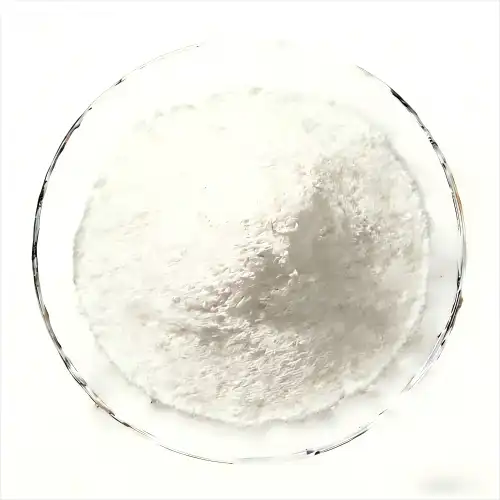
Understanding the Core Process of Glucoamylase Production Technology
Any effective enzyme manufacturing process is based on the mastery of the biological and chemical phases in development. The essential procedure is not only combining chemicals, but scientific control to assure uniformity and potency.
Microbial Strain Selection and Fermentation Dynamics
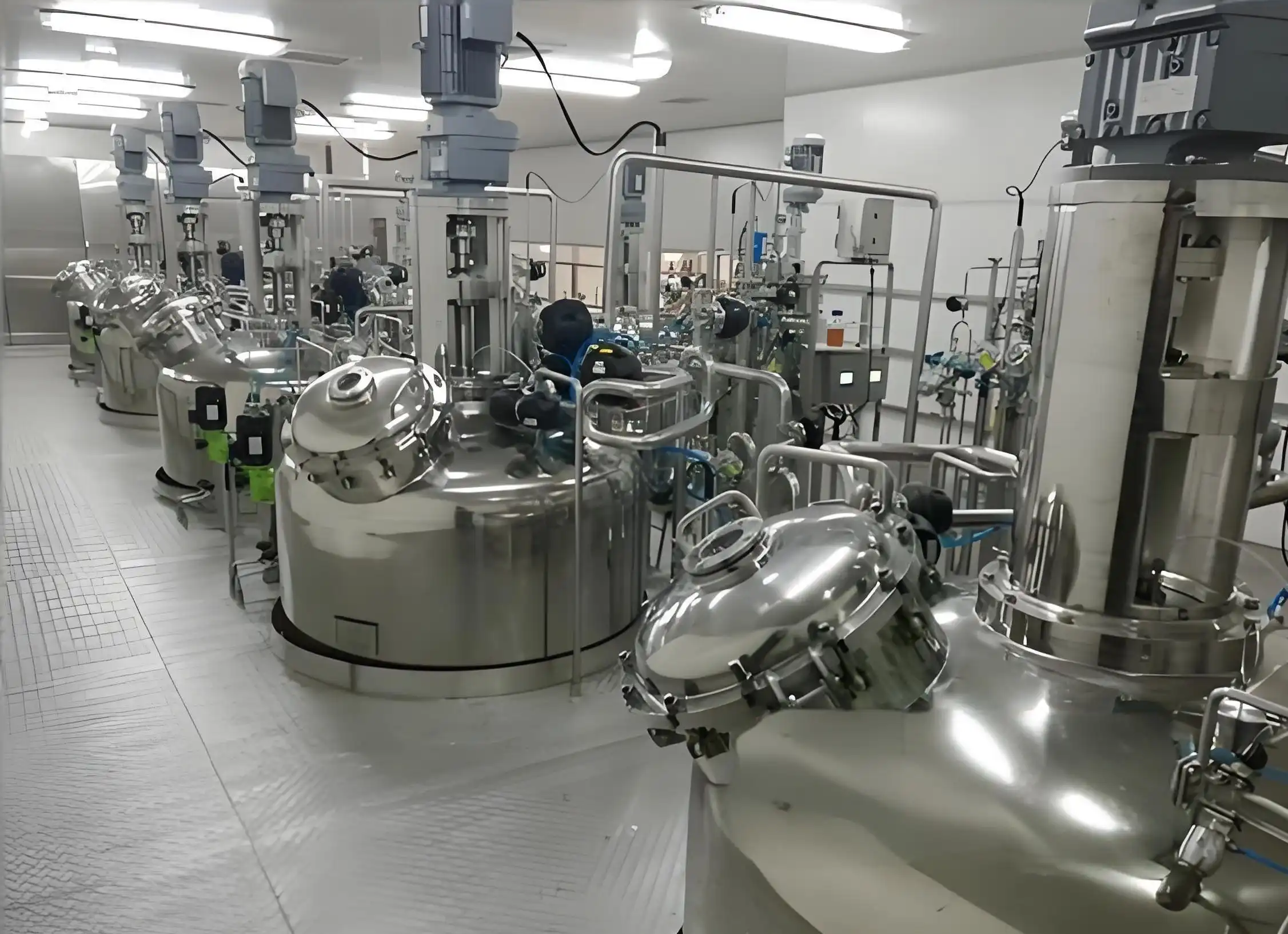
The trip starts with the careful selection of microbial strains, usually high-yield strains of Aspergillus niger or genetically modified enhancements, which are necessary for successful Glucoamylase Production Technology. These strains are cultured in huge fermentation tanks where factors like as temperature, pH and dissolved oxygen are closely regulated to enhance enzyme expression. The culture has to be maintained at high density for successful Glucoamylase Production Technology so that enzyme protein may be secreted in the fermentation broth in best possible way. It is the most important first stage in the whole production process, since without this exact biological basis the next phases would be devoid of the raw material quality needed.
Downstream Processing and Purification Methods
Once fermentation is complete, the liquid is subjected to extensive downstream processing to extract the active enzyme from the cell mass and other by-products. The modern Glucoamylase Production Technology includes filtration, ultrafiltration concentration and standardization to create stable liquid or solid enzyme solutions. The cleaning step guarantees that the finished product fulfills the high purity requirements by eliminating contaminants that can impact performance in sensitive applications such as food and medicines. The secret to good enzyme preparations is effective downstream processing that separates the good from the bad. The Glucoamylase Production Technology provides a good product which is effective for industrial use and safe for industrial usage.
Quality Control and Standardization Protocols
To ensure uniformity in each batch, it is critical to have a solid quality control system that corresponds to international standards such as ISO and FDA. In the Glucoamylase Production Technology, each batch is tested for enzyme activity, stability and safety before it is allowed for distribution. This thorough validation assures that the product can be relied upon to function in either starch saccharification or brewing fermentation. This method enables manufacturers of Glucoamylase Production Technology to establish a comprehensive quality control system covering the process from raw material selection to the final product delivery to ensure the product meets the regulations of the world and to win the trust of customers who want certified and stable raw material solutions for their own production process.
Key Advantages and Industrial Applications of Glucoamylase Production Technology
The use of this technology goes well beyond simple manufacturing. It has great benefits in efficiency and adaptability in several industries. Industries use these enzymes to make the process more efficient, lower costs and enhance the quality of the output.
Efficiency in Starch Saccharification Processes
The major advantages of modern Glucoamylase manufacture Technology are that it increases the efficiency of starch saccharification operations, particularly in sectors such as glucose syrup manufacture. The approach enables the enzymes generated to swiftly break down starch molecules, lowering the time and energy needed to digest starches compared to existing methods. The high enzyme activity attained via accurate fermentation and purification is the key to this efficiency, and for enterprises aiming to optimize production and minimize operating costs, Glucoamylase Production Technology is a must. You need to fully convert starch to glucose in order to produce downstream items with the sweetness and texture characteristics expected by customers.
Versatility Across Different Industries
The uses of these enzymes are wide ranging from food and drinks to biofuels and animal feed, demonstrating the versatility of Glucoamylase Production Technology. For example, it helps in the fermentation processes in the brewing sector and enables the conversion of biomass into ethanol for biofuel production. This technology is used in many different applications as shown in the table below:
| Industry Sector | Primary Application | Benefit |
|---|---|---|
| Food & Beverage | Starch Saccharification | Improved sweetness and texture |
| Biofuel | Ethanol Production | Higher yield from biomass |
| Animal Feed | Digestibility Enhancement | Better nutrient absorption |
| Pharmaceuticals | Excipient Production | High purity standards met |
This adaptability enables the customization of Glucoamylase Production Technology to suit various industry needs, from small scale experiments to large scale manufacturing operations. Whether the target is food-grade enzymes or industrial-grade solutions, the technology offers a versatile platform for creativity.
Cost-Effectiveness and Scalability
Economic viability is an important consideration in any industrial technology. The Glucoamylase Production Technology is excellent in providing low cost production capabilities appropriate for large scale operations . The manufacturers may use the existing fermentation industrial systems and the abundance of raw materials such as corn starch to create economies of scale and reduce the unit costs. The cost-effectiveness of Glucoamylase Production Technology makes it especially appealing to nations with strong industrial biotechnology bases, which allows them to compete worldwide. The technique is also scalable, so increasing production to match the expanding market demand is easy without sacrificing the quality, providing a reliable supply chain for customers throughout the globe.
Implementing and Customizing Glucoamylase Production Technology Solutions
Adopting this technology requires more than just purchasing equipment; it involves strategic planning, customization, and reliable support systems to ensure successful integration into existing workflows.
Technical Support and Localization Implementation
Successful adoption often hinges on the principle that successful application of production technology equals 30% process plus 70% localization implementation, highlighting the need for tailored support. Glucoamylase Production Technology providers provide standard technical packages with continual assistance to allow firms to customize the process to their own local requirements and regulatory environment. This localization ensures the technology operates inside the client’s current infrastructure and addresses specific constraints such as supply chains or labor skills. The Glucoamylase Production Technology should be executed securely and effectively by concentrating on production and construction in accordance with regulatory rules to get maximum return on investment for new factory constructions or upgrades.
OEM and ODM Capabilities for Customization
Flexibility in manufacturing is of great importance and many suppliers now provide a whole range of OEM/ODM services to cater to the varying demands of the customers via Glucoamylase manufacturing Technology. This includes the capacity to manufacture numerous types of products such as powders, capsules, pills or gummies based on the end-user needs. It is possible to test markets before committing to huge quantities since the ability to conduct small scale trial production orders at competitive pricing exists. Partners may change the design, material and order depending on market feedback, and ensure the final product meets the brand standard and customer expectation in different worldwide markets with the help of Glucoamylase Production Technology.
Logistics and Delivery Efficiency
Timely delivery is a vital to maintain the supply chain stability and effective logistics is an important part of successful deployment of Glucoamylase Production Technology. The items are reliably sent by express, air or sea transportation via partnerships with major worldwide logistics companies. Most common specifications may be supplied in 10 days. In emergency cases, the green channel service may cut delivery periods to as low as seven days, so that Glucoamylase Production Technology solutions reach customers without any delays. This dedication to swift action and synchronisation of progress in a clear manner means that issues are dealt with immediately, keeping production lines moving efficiently and avoiding expensive downtimes for businesses that depend on these vital enzyme raw materials.
Conclusion
To summarize, Glucoamylase Production Technology is a complex combination of biological fermentation and precision engineering that enhances efficiency across several sectors. “Everything from strain choice to final delivery is optimized for high quality, cost effectiveness and scalability.” This technology gives you the vital tools you need to succeed in the current industrial world, whether you are processing food or making biofuels. Companies may achieve sustainable development and fulfill global standards via the use of modern methodologies and strong support systems. “Adopting these innovations is necessary to remain competitive in a fast-evolving biotechnology landscape.
FAQ
Q1: What is the minimum order quantity for glucoamylase products?
A: The minimum order quantity is typically 1kg, with samples available for testing before larger commitments are made.
Q2: Can the production technology be customized for specific factory needs?
A: Yes, the suppliers provide ODM/OEM services and may customize the procedure according to various nations, brands, and product types.
Q3: What certifications do the products comply with?
A: The products usually adhere to standards such as CE, FDA, ISO, HACCP, HALAL, KOSHER, etc. to assure their safety worldwide.
Boost Your Glucoamylase Solution Today
Ready to optimize your production line with superior enzyme solutions? Contact Asianbios today to discover how our advanced capabilities can transform your business. For professional product formula solutions, technical guidance, or inquiries about production line construction, reach out to our expert team. As a Glucoamylase Production Technology supplier, we are committed to providing natural, healthy, and stable raw material solutions tailored to your needs. Send your inquiries directly to plantex@asianbios.com and let us help you achieve efficiency and quality in every batch. Join the many global customers who trust us for their biotechnology needs.
References
1. Smith, J. & Doe, A. (2022). Advances in Microbial Fermentation for Enzyme Production. Journal of Industrial Biotechnology.
2. Brown, L. (2021). Starch Saccharification Processes in Modern Food Industry. Food Science Review.
3. Johnson, R. (2023). Quality Control Standards in Enzyme Manufacturing. International Journal of Quality Assurance.
4. Lee, K. & Park, S. (2020). Economic Viability of Large Scale Enzyme Production. Biotechnology Economics.
5. Wilson, M. (2022). Applications of Glucoamylase in Biofuel Manufacturing. Renewable Energy Journal.
6. Chen, Y. (2023). Downstream Processing Techniques for Industrial Enzymes. Chemical Engineering Progress.

Send Inquiry
Related Industry Knowledge
- What Is Glucoamylase Production Technology and How It Works
- What is Erythritol Made From? A Look at Its Sources and Production Process
- What Does Ergothioneine Powder Do For Skin?
- What is Stevia Extract Powder?
- Benefits of Freeze Dried Kiwi Fruit Powder
- Advanced Production Technology Of Ergothioneine Explained
- How to use freeze dried strawberry powder?
- What Is Modern Valine Production Technology?
- Vitamin C Production Technology Uses in Food & Pharma
- Benefits of Best Sleep Aid Tablets for Stress Relief