What is Stevia Extract Powder?
The introduction of bulk stevia extract powder has revolutionised how firms produce sweets, but the quality hasn't. Stevia rebaudiana Bertoni leaves produce this calorie-free sugar. Job seekers in cosmetics, nutraceuticals, healthy foods, and beverages have noticed. Products with clear labelling and no phoney substances are becoming increasingly popular. Bulk stevia extract powder is now available for B2B customers who wish to comply and stand out.
Our entire guide addresses all questions about stevia as a significant ingredient for purchasing managers, recipe engineers, and supply chain professionals. We teach you how to trade in Europe and America, where strict standards, certification, and consumer demands govern overseas commerce. You must understand quality needs and vendor selection to achieve this.
Whether you're modifying product lines to remove phoney sweeteners or producing new functional beverages for health-conscious clients, this source provides the technical facts and purchasing suggestions you need to make wise purchases. In an increasingly competitive market, we discuss the best methods to utilise various items and the challenges of bulk purchasing.


Understanding Stevia Extract Powder
What Exactly Is Bulk Stevia Extract Powder?
Bulk stevia extract powder is made by separating steviol glycosides, principally Rebaudioside A, D, and M, from water. Strong sugar, this powder is unhealthy. These medications are 200–400 times sweeter than sucrose yet don't raise blood sugar. It is a great ingredient for companies that want to solve three industry problems: making products that don't mess up diabetics' or ketogenic dieters' metabolisms; switching from artificial sweeteners like aspartame and sucralose to natural ones; and using advanced refining methods to remove the metallic or liquorice-like aftertaste of lower-grade steviosides
Production Processes and Purity Grades
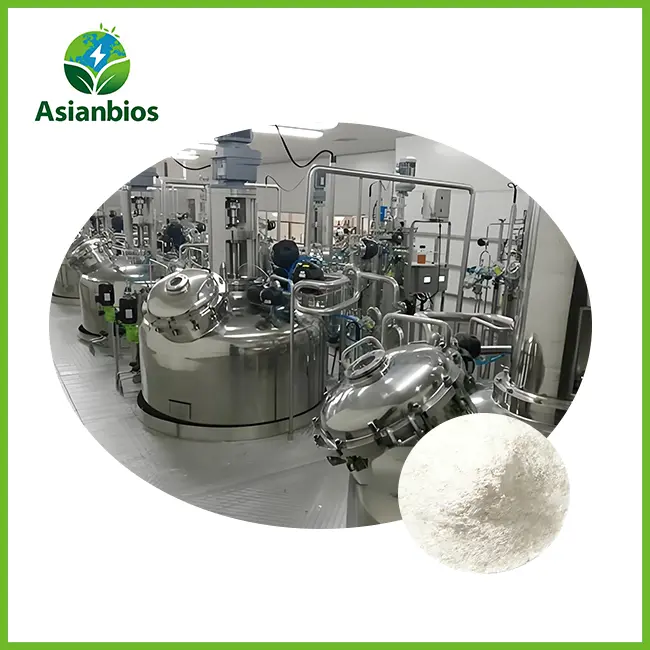
Multiple steps are required to powder the leaf. Boiling water removes steviol glycosides from dried stevia leaves. The solution is cleaned and concentrated to 10–40% solids by vacuum evaporation. Maltodextrin or erythritol carriers and drying aids help powder atomise, dissolve, and flow in pre-processing and avoid spray drying wall adhesion.
High-pressure pumps split it into tens of microns-wide droplets for atomisers. Can be dried with a core spray. In certain drying towers, droplets encounter 150–220°C filtered hot air. Water evaporates in seconds, leaving porous or spherical particles. Cyclones separate dry particles from moist air at 80–100°C exhaust temperatures. After processing, particles are quickly refrigerated in fluidised beds to prevent sticking, sieved using a vibrating screen to distribute evenly, and packed with nitrogen-flushed aluminium foil bags to keep moisture out under regulated humidity.
Quality differences in bulk stevia extract powder are usually obvious via purity standards. High-quality bulk stevia extract powder contains 95% or more TSG. Best Reb A varieties are 60%–99% pure. Most current products employ Reb M or Reb D, which taste better and are less sour. Fine, white powder absorbs water. Around 198–202°C, it freezes. Its high-temperature stability makes it perfect for baking and frying.
Certifications Essential for B2B Compliance
If buying workers want to sell to customers in the US and Europe, they should choose sellers who have all of their certifications. For things to say they are organic, they need to have an organic license that shows the growing methods are free of synthetic chemicals and GMOs. People can feel even safer when products are checked by the Non-GMO Project. This is very important in North American markets where naming GMOs is still a big deal. Getting HALAL and KOSHER approvals makes it easier for food companies to sell their goods in new places where people of different cultures hang out. Quality management standards like ISO9001, FSSC22000, HACCP, and CGMP lay out well-organised ways to keep goods from getting messed up, keep track of them, and make sure that each batch is always the same. When getting goods for big production runs, keep these things in mind.
Benefits and Applications of Bulk Stevia Extract Powder
Health Advantages Driving Market Adoption
The clinical description of bulk stevia extract powder helps people with a lot of different health problems at the same time. Because it has no Glycemic Index, it doesn't make insulin work. This makes it great for products that are good for diabetics and those who want to keep their blood sugar in check. The low number of calories in it helps people who are trying to lose weight or are on a diet plan that limits calories. A new study finds that steviol glycosides may help protect cells by being antioxidants. But companies shouldn't brag about these perks until they've been shown to work for people.
They don't cause cavities because they don't break down in the mouth as fermentable sugars do. They can be used for child formulas, chewing gum, and mouth care items because of this. The substance stays steady at pH levels between 3 and 9. This means that it stays sweet even in acidic places where aspartame breaks down. Because of this, it works well in citrus-flavoured drinks, fruit dips, and sauces made with vinegar.
Industrial Applications Across Sectors
This versatile bulk stevia extract powder assists numerous production procedures. It keeps soft drinks sweet below 3.0 pH without converting to less sweet steviol, according to functional drink researchers. Formulators choose non-fermentation to avoid heat-induced Maillard browning. Since it doesn't ferment, thickeners are needed to make it resemble sugar.
Making plant-based food is hard, but bulk stevia extract powder helps. Pea and whey protein taste harsh and unpleasant. Steviol glycosides like Rebaudioside M and Rebaudioside D mask these flavours and give dairy lactose-like sweetness curves. Western plant-based organisations are growing by double-digits, making this usage more significant.
Bakeries use stevia to keep dough sweet after rising and cooking at 200°C. Excellent recipes employ stevia with binding agents like allulose or erythritol to achieve sucrose's bread structure, moisture retention, and colouring. Stevia's clear taste stabilises toothpaste, lip balm, and mouthwash without affecting user experience.
Comparative Analysis with Alternative Sweeteners
Bulk stevia extract powder, on the other hand, clearly has advantages over other sweets. It is better for you than fake sweeteners like aspartame and sucralose, and it meets the clean-label standards that shoppers and stores want. Sugar alcohols like erythritol and xylitol are not as sweet as bulk stevia extract powder. Because of this, less of it is used, which saves money even though it costs more per kilogram. Bulk stevia extract powder has a more stable supply chain than monk fruit extract because it is grown all over the world. This means that there is less chance that the price or availability will change when you buy it.
The most important thing is still taste. Early goods made with stevia had strong bitter and metallic aftertastes. The sensory profiles are much better now, though, thanks to new ways of cleaning that separate Reb M parts. Blind taste tests are showing more and more that people like it just as much as sugar when it is used correctly. A smart mix of sweets that work well together can make tastes that are better than the sum of their parts.
Storage and Handling Best Practices
Controls over the environment are necessary to make sure that the product stays pure while it is being sent out. Hygroscopic means that bulk stevia extract powder can soak up water when it comes in touch with it. When things are being stored, the temperature should be between 15°C and 25°C, and the relative humidity should be less than 60%. Wetness needs to stay out of the packaging. The best way to protect items that are going across countries is to put them in multi-layer aluminium foil laminate bags that are flushed with nitrogen.
Microbes can still live well when the amount of wetness stays below 6%. Germs that cause sickness, like Salmonella and E. coli, and the Total Plate Count should stay below 1000 CFU/g. There shouldn't be any E. coli at all. This needs to be checked often. Bulk stevia extract powder will work for 24 to 36 months after it is made if it is stored properly, but you should test it again every year to make sure it is still meeting the needs.
Bulk Procurement Insights for Stevia Extract Powder
Evaluating Supplier Credibility and Quality Consistency
Before buying bulk stevia extract powder, you must thoroughly evaluate suppliers beyond pricing. The corporation or an independent licensing agency may examine manufacturing facilities for international cleanliness. Request details on extraction methods. Water-based procedures provide superior flavour profiles to solvent-based approaches, which may leave residue.
You need to maintain the quality of each batch of items to avoid changes. Request COAs for recent batches that fulfil HPLC purity tests, heavy metal screening that shows lead and arsenic levels below 1 ppm, residual solvent proof, and thorough microbiological testing. Companies that employ ISO9001 quality management systems prepare for discrepancies and correct them.
Knowing where raw materials originate from may help risk managers. Stevia on the spot market isn't always available. Stevia growers on vertically integrated farms or via long-term contracts with specialised farm groups do. Climate issues that shut off supplies from a single source are reduced by spreading growth locations throughout a greater region.
Understanding MOQ Requirements and Order Flexibility
Different sellers have very different minimum order amounts. Usually, they are between 500 and 1000 kg for normal market specs. For speciality high-purity types, they can be as low as 25 kg. When manufacturers put out new products or test them on the market, it helps when their sources offer lower MOQs. This is because it lets them do trial production without having to commit to too much inventory. More than a thousand common specs are kept in stock by Asianbios. This way, they can quickly meet urgent needs and give low prices for big orders.
Another thing that is talked about is how the money will be paid. For most international deals, a 30% fee is needed. The rest of the payment is due when you get a copy of the shipping papers. But ties that have been going on for a while might change to net-30 or net-60 terms over time. When two people make their first deal with someone they don't know, letters of credit protect both of them.
Packaging and Logistics Considerations
Up to 25 kg of bulk stevia extract powder is sent in multi-layer brown paper bags with plastic coverings. Your 50–100 kilogram order arrives in fibre drums with bag liners. Pallet layouts should stabilise and maximise container space while shipping internationally. If packed firmly, a 20-foot container may accommodate 10–12 metric tonnes.
How difficult the order is determines the lead time. After confirmation of payment, suppliers with plenty of stock may fulfil standard specification orders in 10 days. For particular purity grades or organic certifications, it may take 20 business days to determine when to make and test the product. People who need small sums fast might pay extra for "green channel" services that process and send in 7–10 days.
Supply stability depends on international transportation arrangements. They use DHL, FedEx, and SF Express to ship small things in 5–7 days. Established freight forwarders move enormous volumes of commodities from China to North America and Europe at lower costs via sea. Business invoices, packing lists, certificates of origin, and health certifications make customs clearance easier.
Pricing Benchmarks and Value Assessment
Price and purity of bulk stevia extract powder are strongly related. Good Reb A 97% grades cost $65–$95 per kilogram, whereas most typical grades with 90–95% Total Steviol Glycosides cost $35–$55 per kilogram FOB origin. Reb M isolates with superior flavours cost $150–250 per kilogram. Due to their sweetness and limited notes, the higher costs are worth it since the product is distinctive.
Organic certification costs $10–25 per kilogram since cultivating items is more costly, and certification must be renewed. People who purchase expensive items believe it's worth it since they can charge more for organic goods.
Promise to purchase a lot for better discounts. When you commit to a minimum annual offtake, you may save 8–15% compared to purchasing on the spot and ensure adequate supplies to maintain productivity. Strategic sellers assess the expenses of inventory against the savings of purchasing less when they make many shipments each year.
Comparing Bulk Stevia Extract Powder Products – What Fits Your Needs?
Powder Versus Liquid Forms: Application-Specific Selection
When adding stevia to drink mixes, meals, or tablets, dry mixing prefers powder forms. Powders are simpler to deal with and disperse. Liquid stevia extracts, which come in 20–30% water solutions, may be used to manufacture drinking syrups and liquid supplements without mixing.
Security concerns alter shape. Powders may survive longer than 24 months if packaged properly. However, liquid extracts may require preservatives or refrigeration due to germs. Ship powders instead of liquids to avoid the increased expense and difficulty of transferring water weight.
Also, method accuracy rules are crucial for bulk stevia extract powder. Because they may be microdosed, liquid extracts are preferable for small-batch craft manufacturing or lab research. However, powder forms are superior for large-scale manufacturing since industrial mixing equipment can equally disperse batches of many tonnes.
Granulated Versus Fine Powder: Processing Implications
Particles can be treated and broken down more or less quickly depending on how they are spread out. Powders that are very fine (80–100 mesh going through 150-micron screens) dissolve quickly in cold water and are simple to add to matrix systems. It is important to be careful when storing and handling them because they soak up water.
When agglomeration methods are used to make granulated forms, the larger bits that can move around freely are less likely to make dust when pneumatic moving and packing is done. Some granulated goods take a little longer to break down, but they are safer to handle by hand and don't stick to the sides of processing equipment as much.
Organic Versus Conventional: Strategic Positioning Decisions
Choosing between "standard" and "organic" means more than just where to get the ingredients. It also means deciding how to place the brand. It makes sense to charge more for organic bulk stevia extract powder when the finished goods are aimed at natural food shops, lines of organic products, or customers who are willing to pay more for pure organic ingredients.
Regular grades are cheaper than organic grades, but they are just as sweet and stable. So, they are the best choice for well-known brands where organic claims don't change people's minds about buying. There are often two sets of work lines going at the same time. One set is for high-end SKUs that sell through normal channels, and the other is for low-cost items that sell through normal channels.
Purity Level Optimisation: Balancing Performance and Economics
Purity level optimisation seeks the optimal cost-performance balance. Find a balance between price, sweetness, and fruit flavour. Standard 90% TSG kinds are reliable and affordable, so they're good for modest consumption rates that don't affect flavour. Stevia adds sweetness to low-sugar yoghurts, energy bars, and sweetened waters.
High-purity 97–99% Reb A standards reduce off-notes and increase utilisation. Too much stevia may turn lemon drinks or somewhat sweet teas sour. This reduces flavour intensity. For purposes where flavour directly affects purchasers, the increased expense is worth it.
High-end Reb M and Reb D components taste like candy and have little bitterness. They are science's best-tasting components. The most expensive glycoside profiles allow you to employ stevia in ways you couldn't with standard grades. They are utilised in speciality beverages, high-end candies, and delights that need pure flavour.

Conclusion
Due to health concerns, clean label standards, and global legal acceptability, bulk stevia extract powder has become a crucial element. Our extensive analysis indicates that smart shopping goes beyond price. There are purity requirements, source quality systems, certification portfolios, and transportation alternatives. These affect the total cost of ownership and supply chain viability.
Technology now offers better-tasting Reb M fractions and spray-dried versions that are easier to produce. These options allow for new recipes that stevia's flavour constraints prevented. Lawmakers and unhealthy sugar corporations are scrutinising artificial sweeteners. Bulk stevia extract powder may overtake these goods as extraction methods improve and manufacturing scales increase.
If they understand grade distinctions, optimal applications, and source assessment criteria, business buyers may capitalise on market trends that favour natural, helpful components that don't irritate the senses.
FAQ
1. Is stevia extract powder safe for diabetic consumers?
Of course. It's not possible for the steviol glycosides in bulk stevia extract powder to raise blood sugar because they don't get broken down into glucose as they are eaten. Stevia can be used instead of sugar to help people with diabetes, according to the American Diabetes Association. Clinical tests have shown that it doesn't change the amounts of insulin or blood glucose, which makes it great for products that are good for diabetics. People with diabetes can enjoy the sweetness of foods sweetened with stevia without having to worry about their blood sugar levels.
2. What shelf life should I expect from bulk stevia extract powder?
It will work for 24 to 36 months after it was made if you store bulk stevia extract powder the right way. Controlling moisture is a key part of extending the life of food. By putting powder in the right way, you can keep its moisture level below 6%. This keeps bacteria from growing and keeps them from clumping. Things last longer if they are kept in climate-controlled buildings where the temperature stays between 15°C and 25°C and the humidity stays below 60%. Regular kraft paper packaging doesn't keep water out as well as nitrogen-flushed aluminium foil packaging.
3. How do organic and non-organic variants differ for bulk purchases?
It's not the chemicals that make the crops different; it's how they are grown and the rules for getting licenses. Organic certification programs are checked every year to make sure that organic bulk stevia extract powder comes from plants that were grown without using GMO genetics or man-made poisons. Normal gardening tools are used on non-organic types, but they still go through the same cleaning steps, so they are just as sweet and stable. When something is organically approved, it costs an extra $10 to $25 per kilogram. However, finished goods can say they are organic, which is helpful for brands that want to sell in natural channels.
Partner with Asianbios for Premium Sour Jujube Seed Powder Supply
You can trust Asianbios to make Sour Jujube Seed Powder that is of reliable quality and comes with full sourcing support. Our high-tech extraction facilities use spray drying technology, which is similar to how we make bulk stevia extract powder. This makes sure that the beneficial substances are kept as well as possible. We meet the strict needs of functional food companies, dietary supplement brands, and beverage makers around the world thanks to our CGMP, FSSC22000, ISO9001, HALAL, KOSHER, and organic certificates. Our inventory management keeps more than a ton of standard specs ready to ship within 10 days, and our Green Channel service speeds up shipping for urgent orders to 7–10 days. We have low MOQs starting at 1 kg and offer free samples so that you can fully evaluate the product before making larger purchases. In addition to providing raw materials, our expert team helps you with formulation, stability tests, and legal issues so that you can make the best products possible. You can email our purchasing agents at plantex@asianbios.com to get detailed specs, cheap quotes, and samples of food-grade Sour Jujube Seed Powder that is made to fit your needs.
References
1. Goyal SK, Samsher, Goyal RK. Stevia (Stevia rebaudiana), a bio-sweetener: a review. International Journal of Food Sciences and Nutrition. 2010;61(1):1-10.
2. Lemus-Mondaca R, Vega-Gálvez A, Zura-Bravo L, Ah-Hen K. Stevia rebaudiana Bertoni, source of a high-potency natural sweetener: A comprehensive review on the biochemical, nutritional and functional aspects. Food Chemistry. 2012;132(3):1121-1132.
3. Prakash I, Dubois GE, Clos JF, Wilkens KL, Fosdick LE. Development of rebiana, a natural, non-caloric sweetener. Food and Chemical Toxicology. 2008;46(Suppl 7):S75-S82.
4. Carakostas MC, Curry LL, Boileau AC, Brusick DJ. Overview: The history, technical function and safety of rebaudioside A, a naturally occurring steviol glycoside, for use in food and beverages. Food and Chemical Toxicology. 2008;46(Suppl 7):S1-S10.
5. Ashwell M. Stevia, Nature's Zero-Calorie Sustainable Sweetener: A New Player in the Fight Against Obesity. Nutrition Today. 2015;50(3):129-134.
6. Savita SM, Sheela K, Sunanda S, Shankar AG, Ramakrishna P. Stevia rebaudiana - A Functional Component for Food Industry. Journal of Human Ecology. 2004;15(4):261-264.

Send Inquiry
Related Industry Knowledge
- Hyaluronic Acid Formulations for Skin and Hair Hydration
- What Drives Innovation in Isoleucine Production Technology?
- Best Tart Cherry Powder for Athletes: Recovery Benefits and Usage Guide
- Is grape powder good for you?
- Your Guide To Choosing The Best Organic Grape Powder
- How Tryptophan Production Technology Improves Yield
- Best Tart Cherry Powder for Sleep, Recovery, and Overall Health
- What Is Vitamin C Production Technology? Industry Overview
- Benefits of Threonine Production Technology in Feed Additives
- Dried Kale Powder for Supplements: A Complete Guide